Rolex Daytona: Comprehensive Analysis of the Iconic Motorsport Chronograph
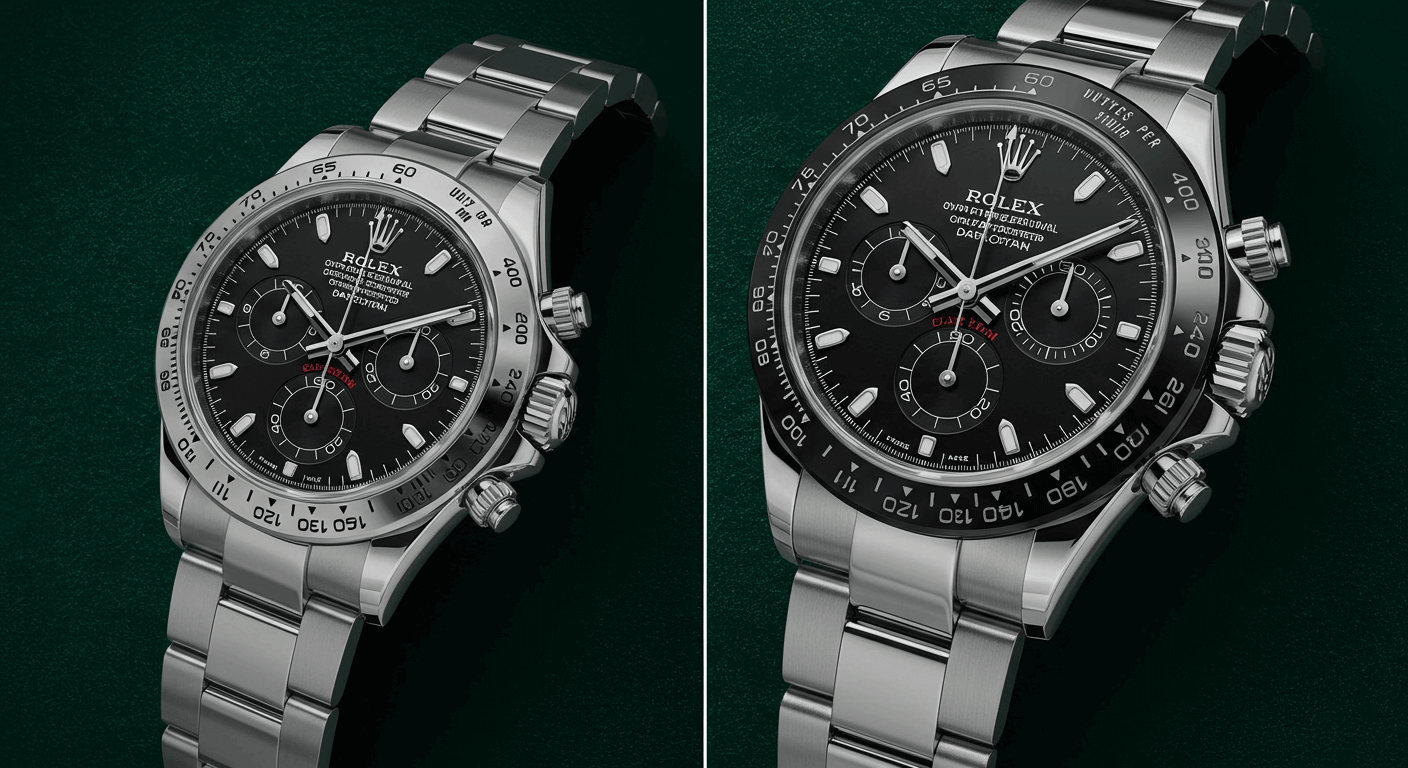
The Rolex Daytona represents the pinnacle of chronograph watchmaking, combining motorsport heritage with exceptional craftsmanship. Featuring the signature waterproof Oyster case, tri-register dial, and tachymeter bezel, this timepiece has evolved through multiple generations while maintaining its classic design DNA. With market values consistently exceeding retail prices and production numbers carefully controlled, the Daytona remains one of the most collectible luxury watches. This analysis examines its technical specifications, investment potential, and position within the competitive luxury chronograph segment.
Since its introduction in 1963, the Rolex Daytona has established itself as the definitive motorsport chronograph, embodying precision timing and racing heritage. The current generation continues this legacy with advanced in-house movements, premium materials, and the instantly recognizable design elements that have made it a horological icon. With production limited to approximately 12,000-15,000 units annually and secondary market premiums averaging 40-60% above retail, understanding the Daytona's technical evolution and market position is essential for collectors and enthusiasts alike.
Design & Aesthetics
Advantages
- Iconic tri-compax layout provides perfect symmetry and legibility
- Cerachrom bezel offers exceptional scratch resistance and fade-proof markings
- Oyster case construction ensures 100m water resistance with classic proportions
- Multiple dial configurations available including panda, reverse panda, and metallic finishes
Considerations
- Fixed bezel limits functionality compared to rotating bezel alternatives
- Case thickness of 12.5mm may be substantial for some wrist sizes
- Limited availability of precious metal models increases acquisition difficulty
Technical Specifications
- Case Diameter
- 40mm
- Case Thickness
- 12.5mm
- Water Resistance
- 100 meters
- Bezel Material
- Ceramic Cerachrom or precious metals
- Crystal
- Sapphire with cyclops date magnification
Movement & Performance
Advantages
- Caliber 4130 automatic movement features Paramagnetic blue Parachrom hairspring
- 72-hour power reserve exceeds industry standards for chronograph watches
- Vertical clutch system ensures smooth chronograph engagement without seconds hand jumping
- COSC certification followed by Rolex's own Superlative Chronometer standards (±2 seconds/day)
Considerations
- Lack of quick-set date function maintains traditional operation but reduces convenience
- Proprietary movement components require authorized service centers for maintenance
- Higher service costs compared to ETA-based chronograph movements
Technical Specifications
- Movement
- Rolex Caliber 4130
- Power Reserve
- 72 hours
- Frequency
- 28,800 vph (4 Hz)
- Jewels
- 44
- Chronometer Certification
- COSC + Rolex Superlative Chronometer
Market Position & Investment
Advantages
- Consistent secondary market appreciation with stainless steel models commanding 50-100% premiums
- Strong brand recognition ensures global liquidity and easy resale opportunities
- Limited production creates artificial scarcity that supports long-term value retention
- Proven auction record with vintage models achieving seven-figure prices
Considerations
- Extensive waitlists at authorized dealers ranging from 2-5 years for popular references
- Gray market premiums require significant additional investment over retail pricing
- Counterfeit market sophistication necessitates expert authentication for pre-owned purchases
Technical Specifications
- Retail Price Range
- $14,800 - $38,000
- Secondary Market Premium
- 40-150% depending on model
- Production Volume
- Approximately 12,000-15,000 annually
- Five Year Appreciation
- 65-120% for steel models
Model Comparison
| Model | Reference | Case Material | Bracelet | Retail Price | Market Price |
|---|---|---|---|---|---|
| Daytona Stainless Steel | 126500LN | Oystersteel | Oyster | $15,100 | $22,000 - $28,000 |
| Daytona White Gold | 126529LN | 18k White Gold | Oysterflex | $38,000 | $42,000 - $46,000 |
| Daytona Everose Gold | 126505 | 18k Everose Gold | President | $36,750 | $40,000 - $44,000 |
| Daytona Platinum | 126506 | 950 Platinum | Oyster | $78,500 | $85,000 - $95,000 |
Final Verdict
The Rolex Daytona justifies its legendary status through exceptional craftsmanship, timeless design, and unparalleled market performance. While acquisition challenges and premium pricing present barriers to entry, the watch's combination of horological significance, daily wearability, and proven investment returns makes it a cornerstone piece for any serious collection. For those prioritizing value retention and brand prestige, the stainless steel references offer the strongest investment profile, while precious metal models provide elevated luxury and exclusivity. Given current market dynamics and Rolex's production strategy, the Daytona remains one of the most compelling propositions in the luxury watch landscape.
Tags
Related Articles
Rolex Brand Characteristics
Rolex is recognized for practical luxury, high-performance sports watches, and exceptional reliability across its diverse collection.
Women's Luxury Watch Market: Design Strategies & Brand Approaches
The women's luxury watch market demonstrates significant strategic diversity among leading brands. Rolex maintains gender parity with identical technical specifications across genders, while Audemars Piguet and Patek Philippe typically employ scaled-down versions of men's sports models. This comprehensive analysis explores how major luxury watch houses approach female consumers through design philosophy, movement technology, material selection, and marketing positioning. The market reveals fascinating variations in case sizing, complication implementation, and aesthetic priorities across price segments from $15,000 to over $100,000.
Ultimate Chronograph Watch Comparison: Rolex Daytona vs. Audemars Piguet Royal Oak Chronograph
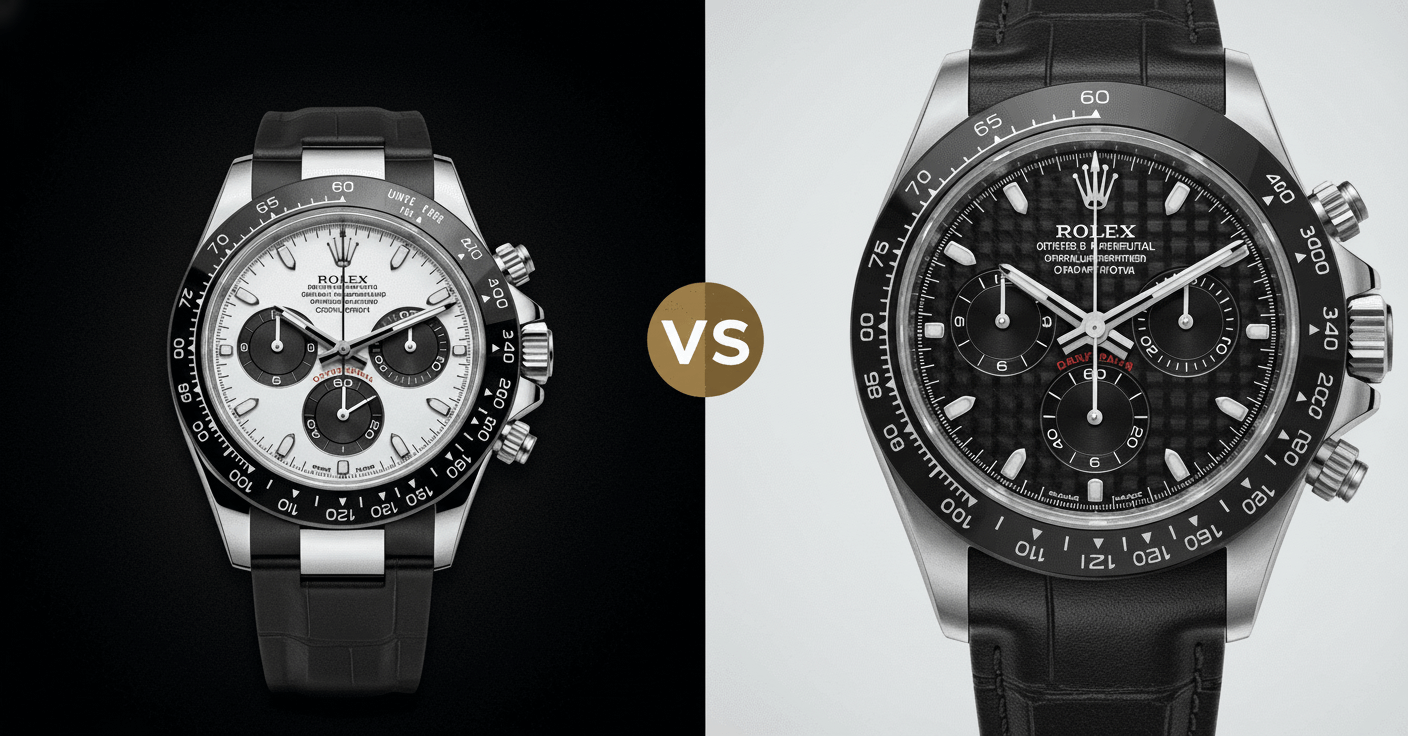
This comprehensive analysis compares two iconic luxury chronographs: the Rolex Daytona and Audemars Piguet Royal Oak Chronograph. We examine their distinct design philosophies, with Daytona representing traditional tri-register chronograph excellence and Royal Oak showcasing avant-garde architectural aesthetics. Detailed evaluation covers movement technology, functionality variations, material construction, and market positioning. Both watches feature specialized bezels and complex chronograph mechanisms but appeal to different collector preferences.
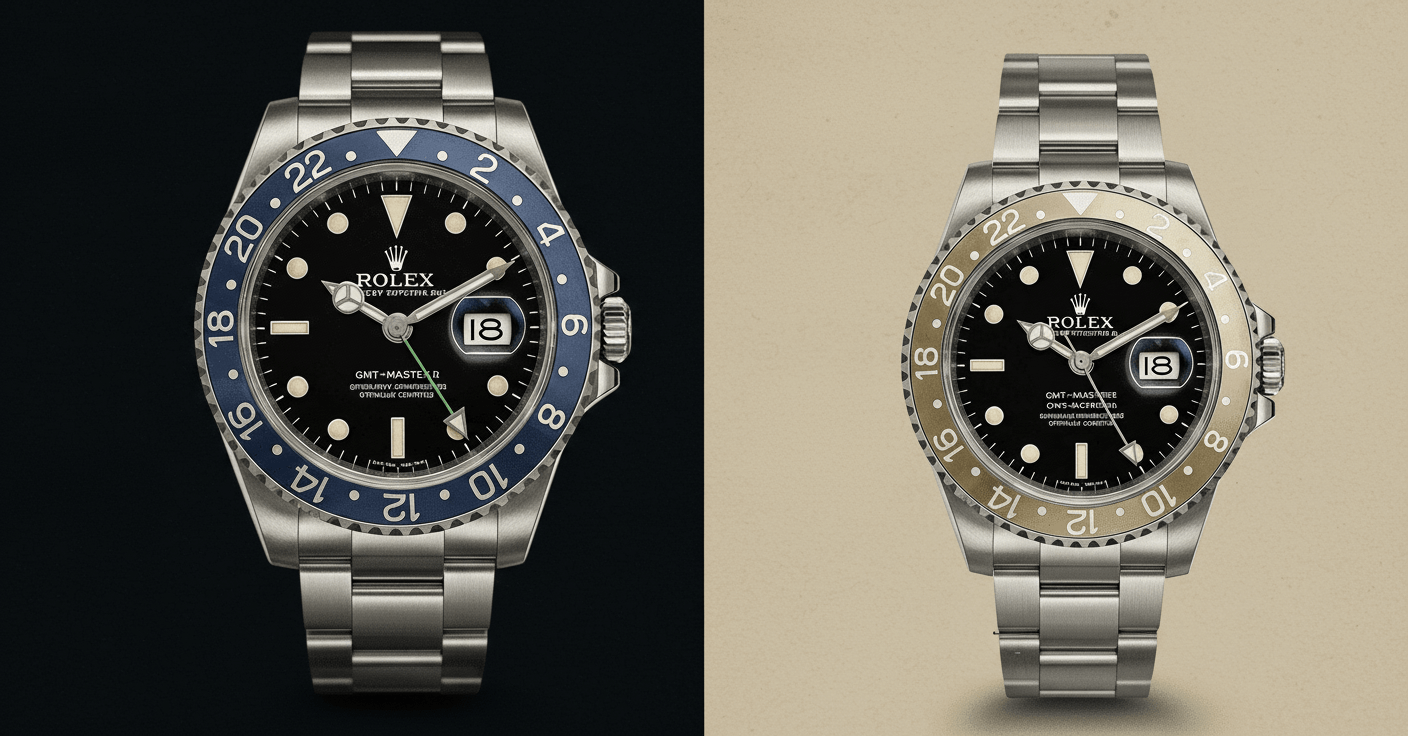
Rolex GMT-Master II: The Ultimate Traveler's Luxury Watch
The Rolex GMT-Master II stands as a pinnacle of horological engineering, specifically designed for international travelers requiring dual time-zone functionality. This iconic timepiece combines Rolex's legendary craftsmanship with practical features like a 24-hour rotatable bezel and an independent GMT hand, allowing seamless tracking of home and local time. With robust materials including Oystersteel, Cerachrom bezel inserts, and the Chronergy escapement, it delivers exceptional accuracy and durability. Its sophisticated design appeals to globetrotters and watch enthusiasts alike, making it a cornerstone in luxury watch comparisons for its blend of utility, prestige, and timeless aesthetics.
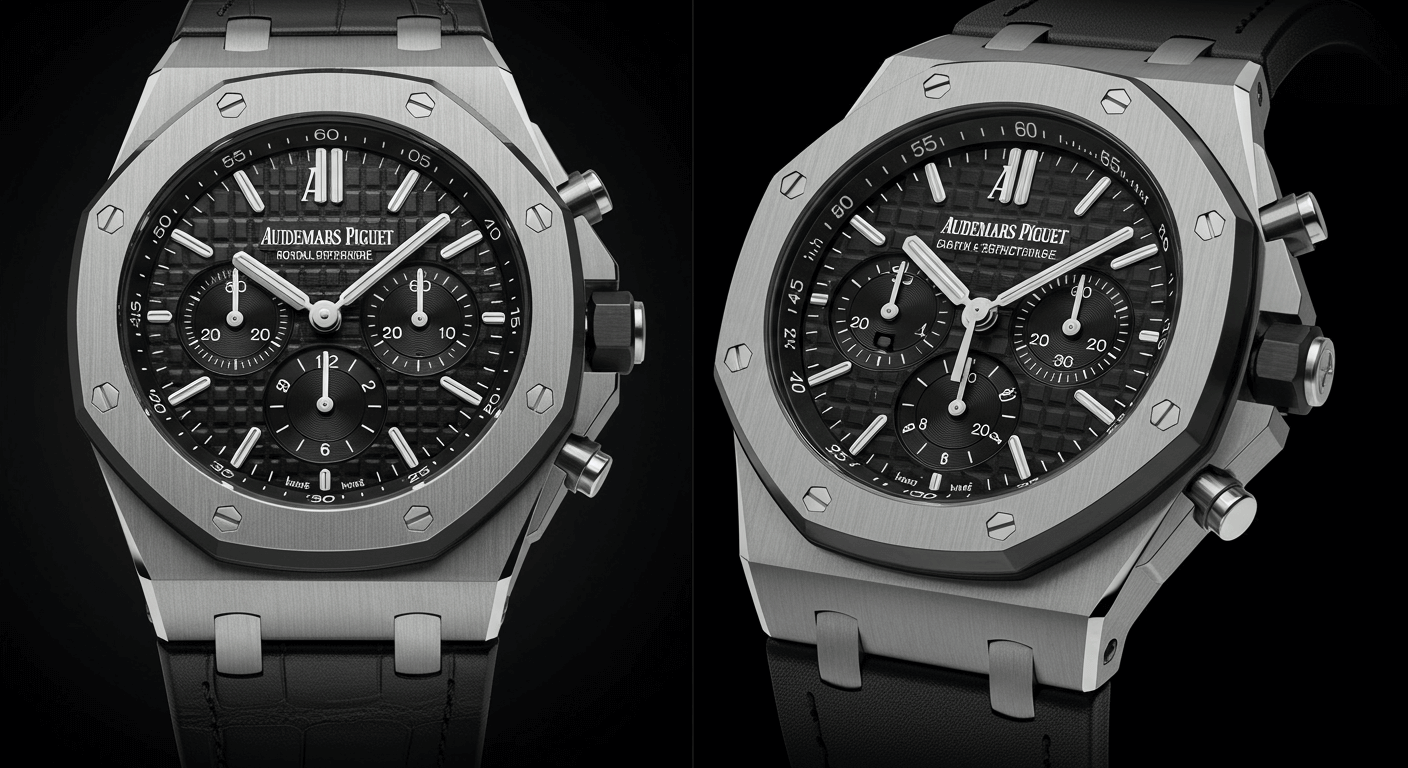
Audemars Piguet Royal Oak Offshore: The Ultimate Sports Luxury Watch Analysis
The Audemars Piguet Royal Oak Offshore represents a bold evolution of the iconic Royal Oak, featuring a more aggressive 42mm case design, enhanced water resistance to 100 meters, and innovative materials including forged carbon and ceramic bezels. Designed specifically for sports watch enthusiasts seeking rugged luxury, this timepiece maintains the brand's signature octagonal bezel with exposed screws while incorporating modern complications like chronographs and GMT functions. As a collector's favorite, the Offshore series demonstrates AP's commitment to pushing horological boundaries while maintaining exceptional finishing standards.
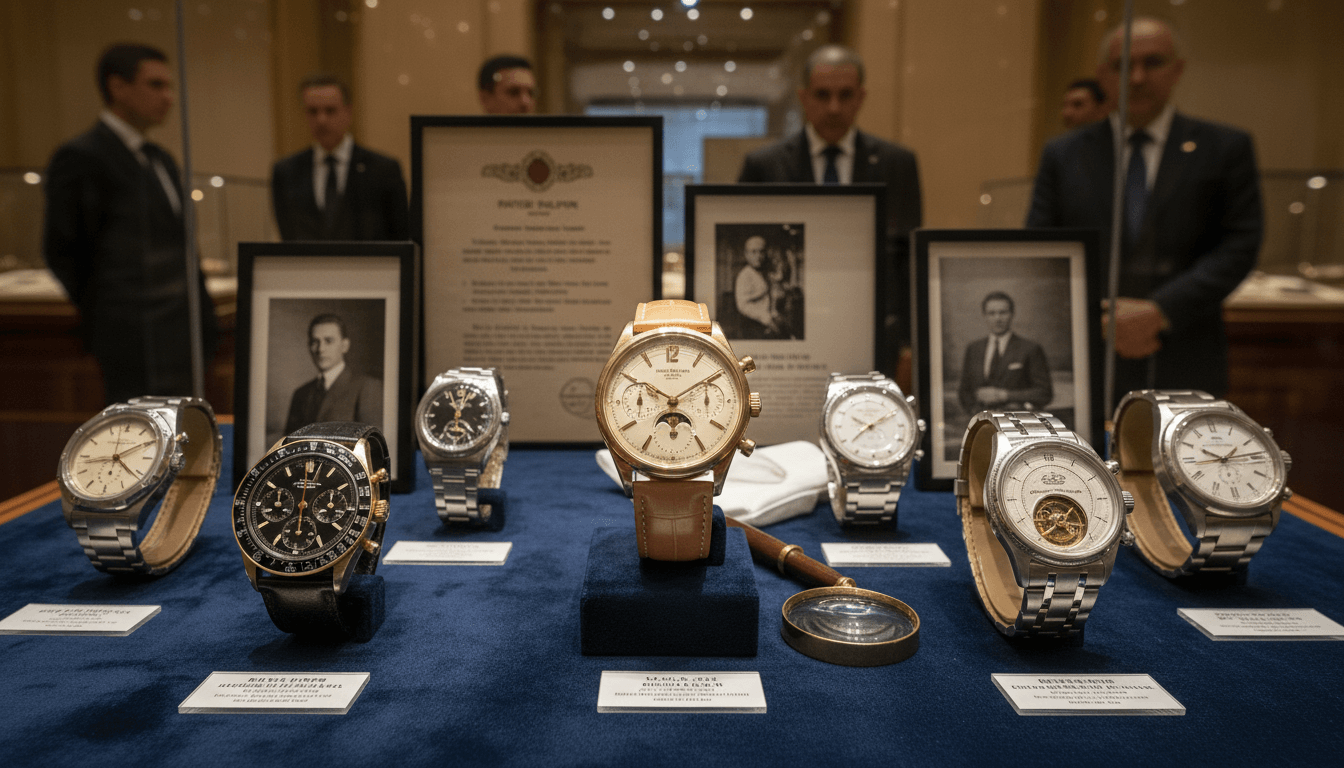
Vintage and Collectible Watches: Market Analysis and Investment Insights
This comprehensive analysis examines the vintage watch market, highlighting the exceptional value and collectibility of historical models from premier brands. With rare vintage watches appreciating up to 15% annually, we explore why Patek Philippe's complicated timepieces command premium prices and how collector focus on historical significance drives market dynamics. The guide covers investment strategies, authentication processes, and market trends affecting luxury vintage timepieces across major auction houses and private collections worldwide.