Rolex Tudor Relationship: In-Depth Analysis of Sister Brands

Tudor serves as Rolex's strategic sister brand, offering more accessible luxury timepieces while maintaining Rolex's design DNA and quality standards. Founded by Hans Wilsdorf in 1926, Tudor provides entry-level luxury watches with prices typically 40-60% lower than comparable Rolex models. While sharing design language and manufacturing expertise, Tudor establishes its own identity through in-house movements and contemporary styling. This relationship allows the brands to capture different market segments while maintaining the prestige associated with the Rolex name.
The relationship between Rolex and Tudor represents one of the most sophisticated brand strategies in luxury watchmaking. Founded by the same visionary, Hans Wilsdorf, in 1926, Tudor was conceived as 'a watch that can be sold at a more modest price than the Rolex, yet one that attains the standard of dependability for which Rolex is famous.' This strategic positioning has evolved over nearly a century, with Tudor establishing itself as Rolex's entry-level luxury brand while maintaining distinct design philosophies and market positions. The brands share manufacturing expertise, quality standards, and design DNA while targeting different consumer segments and price points within the luxury watch market.
Rolex: The Pinnacle of Swiss Watchmaking
Advantages
- Unmatched brand prestige and recognition worldwide
- Complete in-house manufacturing from metals to movements
- Excellent resale value and investment potential
- Superior finishing and attention to detail
- Extensive research and development capabilities
Considerations
- Significantly higher price points ($7,000-$50,000+)
- Limited availability and long waiting lists
- Conservative design evolution
- Higher maintenance and servicing costs
Technical Specifications
- Founding Year
- 1905
- Headquarters
- Geneva, Switzerland
- Price Range
- $7,000 - $75,000+
- Movement Type
- 100% in-house manufactured
- Water Resistance
- 100-3900 meters
- Materials
- 904L stainless steel, Everose gold, Platinum, Cerachrom
Tudor: Accessible Luxury with Rolex Heritage
Advantages
- Exceptional value proposition (40-60% lower than Rolex)
- Modern in-house movements with impressive specifications
- Contemporary designs with vintage inspiration
- Better availability and shorter waiting periods
- Strong brand identity independent of Rolex
Considerations
- Lower brand recognition and prestige
- Resale value typically 30-50% lower than Rolex
- Fewer proprietary material innovations
- Smaller global service network
Technical Specifications
- Founding Year
- 1926
- Headquarters
- Geneva, Switzerland
- Price Range
- $2,500 - $7,000
- Movement Type
- Modern in-house & modified ETA
- Water Resistance
- 100-500 meters
- Materials
- 316L stainless steel, Bronze, Titanium, Ceramic
Model Comparison
| Feature | Rolex | Tudor | Key Differences |
|---|---|---|---|
| Market Positioning | Ultra-luxury flagship | Entry-level luxury | Tudor serves as gateway to Rolex ownership |
| Price Range | $7,000 - $75,000+ | $2,500 - $7,000 | Tudor offers 40-60% savings for similar aesthetics |
| Movement Technology | Perpetual movements with ±2 sec/day | In-house with COSC certification | Both excellent accuracy, Rolex has longer power reserve |
| Material Quality | 904L steel, proprietary alloys | 316L steel, innovative materials | Rolex uses more expensive, corrosion-resistant metals |
| Design Language | Classic, evolutionary | Vintage-inspired modern | Tudor more adventurous with colors and materials |
| Resale Value | 85-120% of retail | 60-90% of retail | Rolex maintains exceptional investment value |
| Availability | Limited, high demand | Good availability | Tudor more accessible for immediate purchase |
Final Verdict
The Rolex-Tudor relationship represents a masterclass in brand portfolio management within the luxury watch industry. Tudor successfully fulfills its mission as Rolex's more accessible sister brand, offering 40-60% lower prices while maintaining exceptional quality and Rolex-inspired design DNA. For collectors seeking ultimate prestige, investment potential, and manufacturing excellence, Rolex remains the undisputed choice. However, Tudor provides tremendous value for enthusiasts wanting Rolex aesthetics and reliability at more accessible price points, with the added benefit of contemporary styling and modern movement technology. Both brands excel in their respective market positions, making the choice ultimately dependent on budget, collection goals, and personal style preferences within the luxury watch ecosystem.
Tags
Related Articles
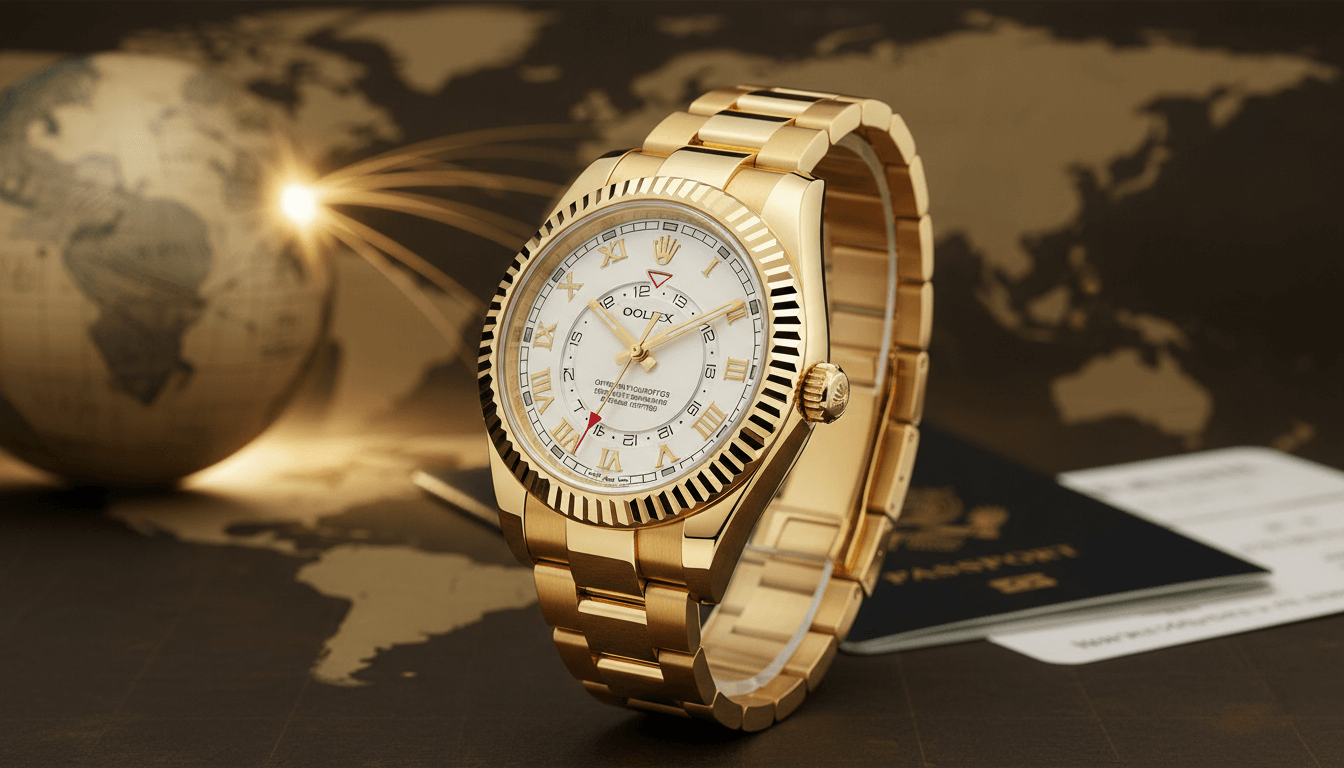
Rolex Sky-Dweller: Ultimate Global Traveler's Watch Analysis
The Rolex Sky-Dweller represents a pinnacle achievement in luxury watchmaking, combining sophisticated dual time zone functionality with an innovative annual calendar system. Launched in 2012, this masterpiece features the groundbreaking Ring Command bezel that revolutionized watch interaction. Crafted exclusively in precious metals, the Sky-Dweller serves as the ultimate companion for international travelers and discerning collectors seeking both technical excellence and aesthetic refinement in a single timepiece.
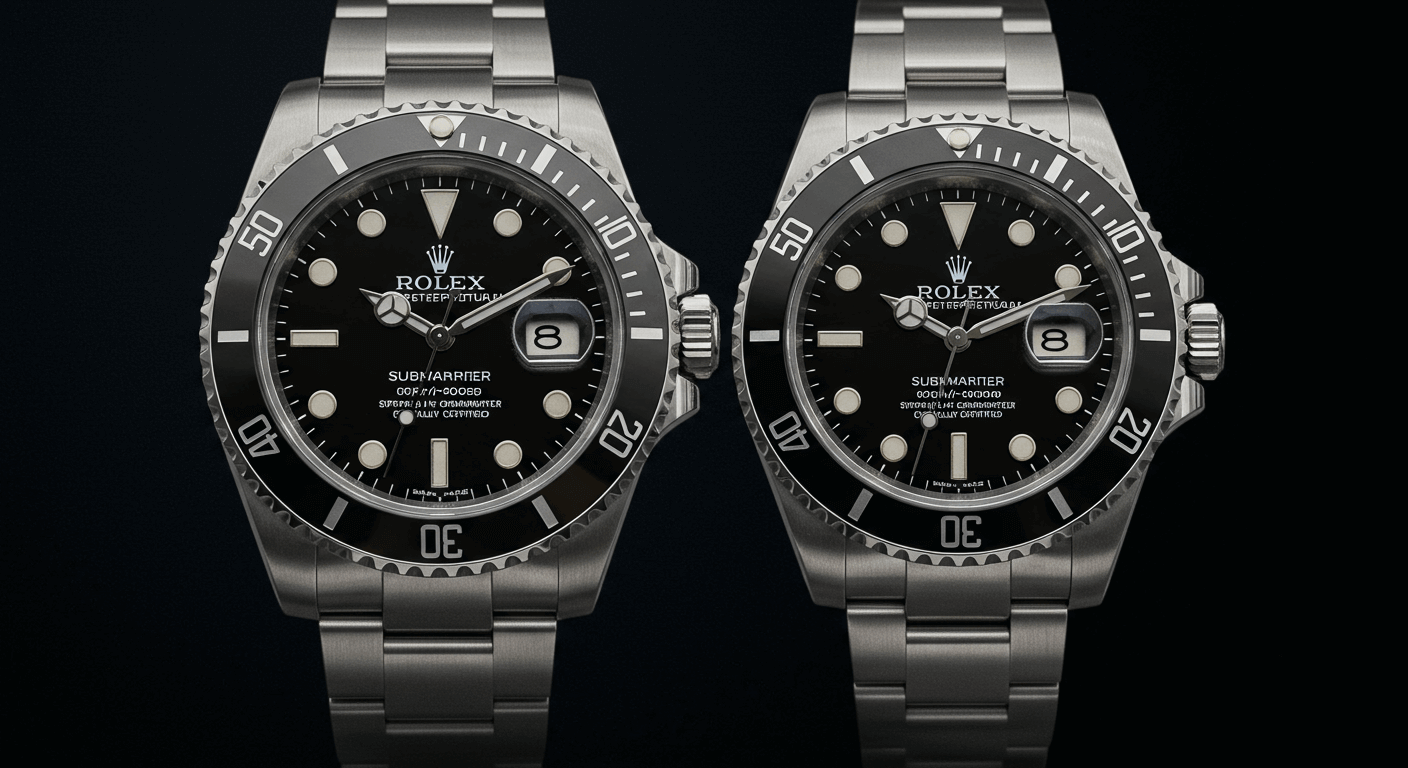
Rolex Submariner: The Definitive Dive Watch Analysis
The Rolex Submariner stands as the undisputed benchmark in professional dive watches, combining robust Oystersteel construction with exceptional waterproof capabilities exceeding 300 meters. As part of Rolex's annual production of approximately 1.1 million watches, this iconic timepiece represents the pinnacle of sports and tool watch engineering with its unidirectional rotating bezel, luminescent Chromalight display, and self-winding perpetual movement. Its enduring popularity in the luxury watch market reflects both its technical excellence and timeless design aesthetic that transcends diving functionality to become a cultural symbol.
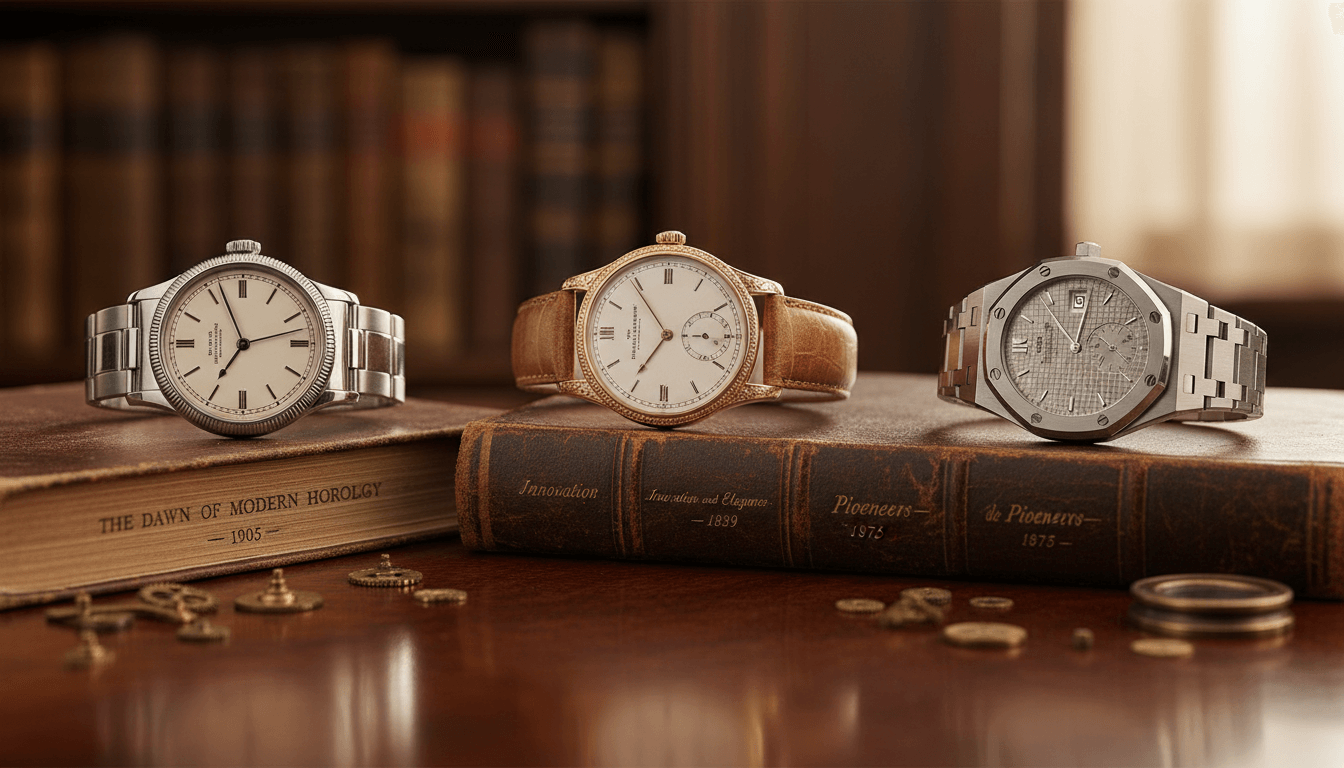
Luxury Watch Brand Heritage: Historical Foundations of Horological Excellence
This comprehensive analysis explores the heritage of three premier luxury watch brands—Rolex, Patek Philippe, and Audemars Piguet—founded in the mid-to-late 19th century. It delves into their pioneering contributions to modern watchmaking, from Rolex's Oyster case innovations to Patek Philippe's perpetual calendars and Audemars Piguet's Royalton revolution. The article examines key milestones, iconic models, and enduring legacies that define their significance in horological history, providing insights for collectors and enthusiasts on how heritage influences value and prestige in today's market.

Limited Edition and Special Collection Watches: Comprehensive Analysis of Ultra-Exclusive Horology
This in-depth examination explores the world of limited edition and special collection watches, representing the absolute pinnacle of luxury watchmaking innovation and design. These timepieces feature extreme limited production runs, often numbering fewer than 100 pieces globally, with unique complications and artistic designs that command extreme collector interest. We analyze the characteristics that make these watches highly collectible special editions, their technical innovations, and why they maintain extremely high collector value in both primary and secondary markets.
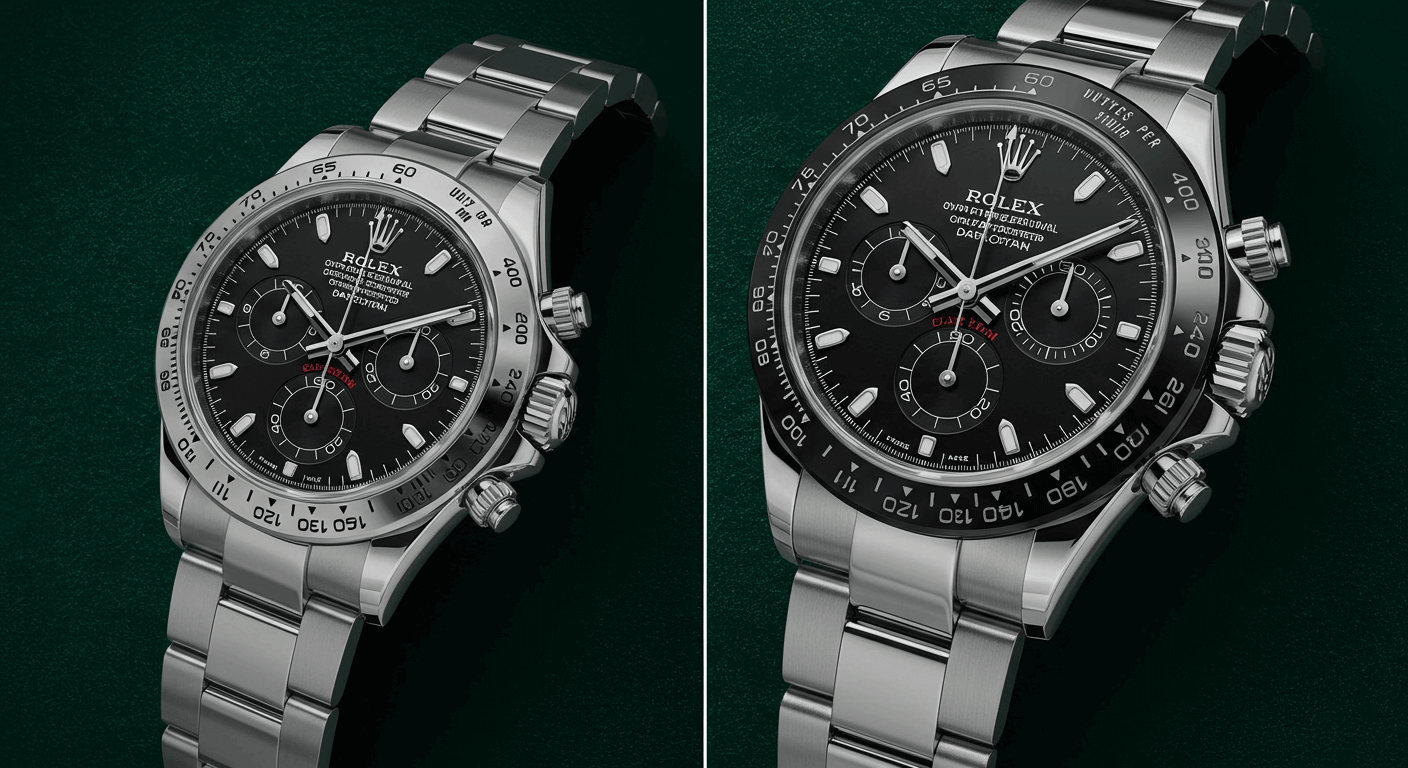
Rolex Daytona: Comprehensive Analysis of the Iconic Motorsport Chronograph
The Rolex Daytona represents the pinnacle of chronograph watchmaking, combining motorsport heritage with exceptional craftsmanship. Featuring the signature waterproof Oyster case, tri-register dial, and tachymeter bezel, this timepiece has evolved through multiple generations while maintaining its classic design DNA. With market values consistently exceeding retail prices and production numbers carefully controlled, the Daytona remains one of the most collectible luxury watches. This analysis examines its technical specifications, investment potential, and position within the competitive luxury chronograph segment.
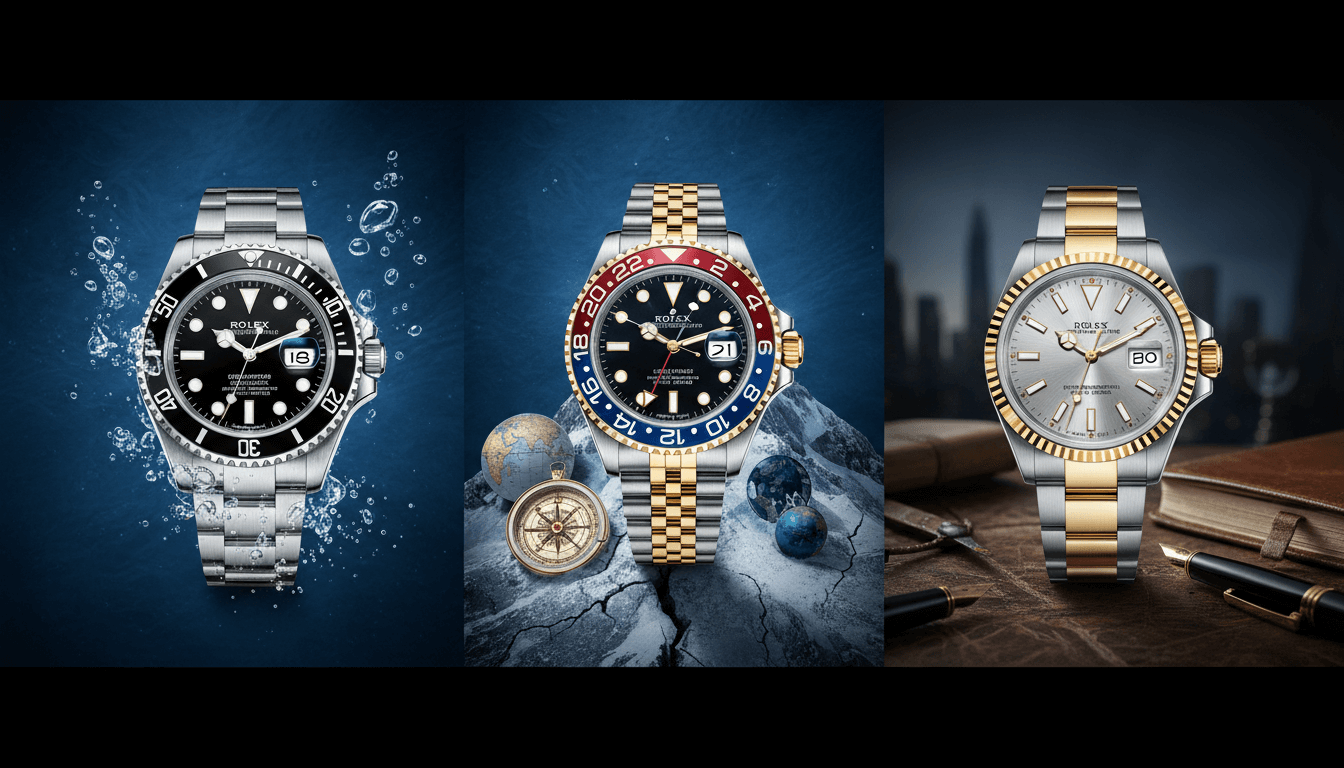
Rolex Brand Characteristics
Rolex is recognized for practical luxury, high-performance sports watches, and exceptional reliability across its diverse collection.