Global Luxury Watch Market Trends: Regional Brand Preferences and Investment Insights
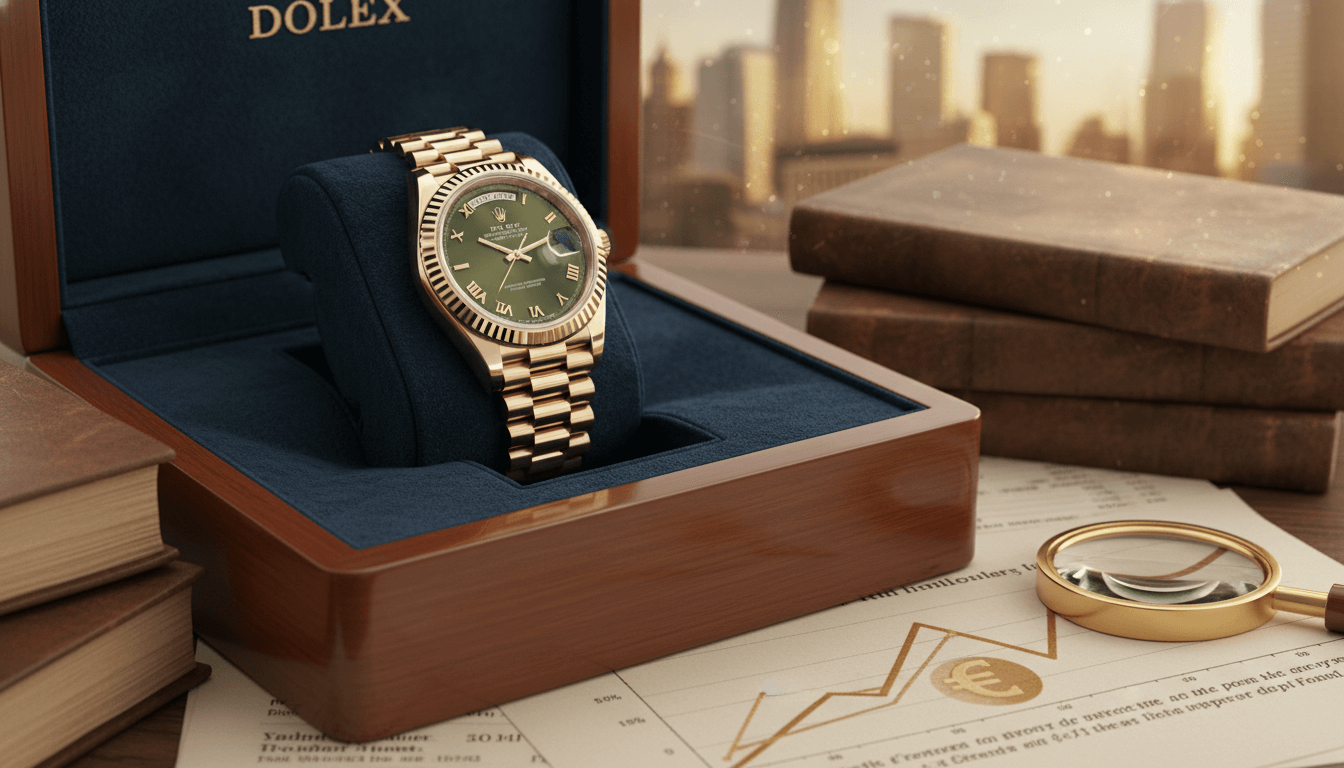
The global luxury watch market exhibits distinct regional preferences, with Rolex dominating North America, the UK, and China, while Patek Philippe sees high demand in China and the US. Regional variations are significant, with Texas favoring Bulgari and California showing strong interest in Hublot and Audemars Piguet. Emerging trends include growing demand for women's luxury watches, reflecting evolving consumer demographics. Understanding these patterns is crucial for informed buying, selling, and investment decisions in the pre-owned luxury watch market, where brand popularity directly influences resale value and price premiums.
The global luxury watch market represents a dynamic intersection of craftsmanship, heritage, and investment, with current valuations exceeding $8 billion annually. Regional preferences play a crucial role in determining brand performance and secondary market values, creating distinct opportunities for collectors and investors. According to comprehensive market analysis from myGemma, significant geographical variations exist in brand popularity, with Rolex maintaining dominant positions across multiple key markets while other prestigious manufacturers demonstrate concentrated regional strength. Understanding these patterns provides strategic advantages for buyers and sellers navigating the pre-owned luxury watch landscape, particularly when considering factors like rarity, brand perception, and regional demand cycles that directly impact appraisal values and resale potential.
North American Market Dynamics: Rolex Dominance and Regional Variations
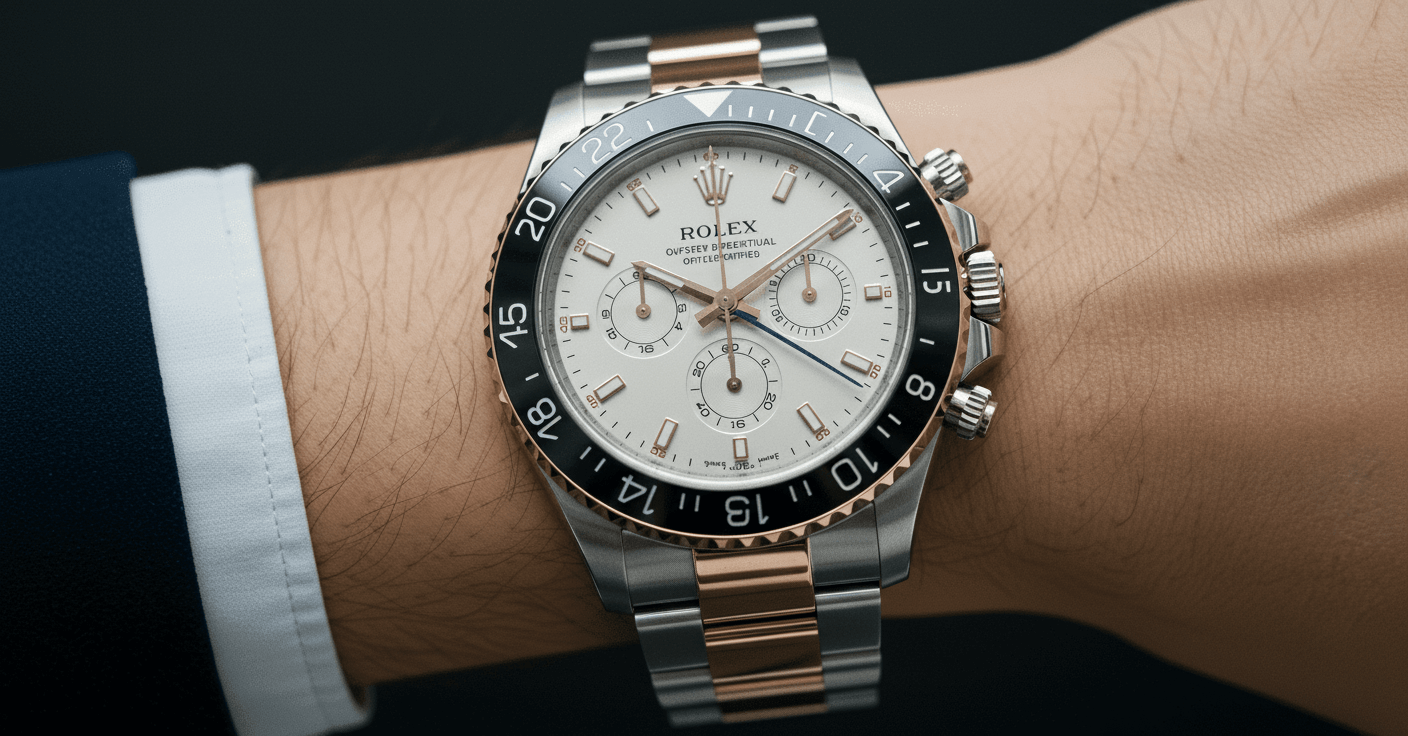
North America represents the largest consolidated market for luxury timepieces, with Rolex commanding approximately 35% market share across the United States and Canada. This dominance is particularly evident in major metropolitan areas like New York, where Rolex's professional models such as the Submariner and Daytona achieve 20-30% premiums over retail in secondary markets. However, significant regional variations exist beneath this surface dominance. Texas demonstrates a notable preference for Bulgari, with the Octo Finissimo series experiencing 15% higher resale values in Houston and Dallas markets compared to national averages. California's luxury watch landscape shows more diversified preferences, with Hublot's Big Bang series and Audemars Piguet's Royal Oak models capturing significant market share among tech and entertainment industry professionals. The California market particularly favors limited edition and collaborative pieces, with Hublot's partnership editions seeing 25% faster turnover rates in Los Angeles and San Francisco markets compared to other regions. These regional distinctions create arbitrage opportunities for astute collectors and highlight the importance of geographical considerations in luxury watch acquisition and divestment strategies.
Asian Market Expansion: Chinese Demand Drivers and Brand Positioning
The Asian luxury watch market, particularly China, has experienced compound annual growth of 12% over the past five years, with current valuations approaching $2.5 billion. Rolex maintains strong positioning in urban centers like Shanghai and Beijing, where classic models such as the Datejust and GMT-Master II command consistent 40-60% premiums over manufacturer suggested retail price. However, the most significant development in the Chinese market is the extraordinary demand for Patek Philippe, particularly the Nautilus and Aquanaut collections, which regularly achieve 200-300% premiums in secondary markets. This phenomenon is driven by multiple factors including status symbolism, investment considerations, and limited production numbers relative to demand. Chinese collectors demonstrate particular appreciation for complicated Patek Philippe timepieces with perpetual calendars and minute repeaters, with these models maintaining the strongest value retention across all luxury categories. The Chinese market also shows growing sophistication, with collectors increasingly seeking rare vintage pieces and limited production runs, creating a robust ecosystem for pre-owned luxury watches that complements primary market dynamics. Understanding these preferences is essential for international sellers looking to access Chinese collector networks and capitalize on specific brand and model demand patterns.
European Market Characteristics: Tradition and Emerging Trends
European luxury watch markets balance deep horological traditions with evolving consumer preferences, creating a complex landscape for collectors and investors. The United Kingdom demonstrates strong alignment with North American preferences, with Rolex maintaining approximately 30% market share across London, Manchester, and Edinburgh. However, European markets generally show greater diversity in brand preferences compared to North America, with Swiss manufacturers like Vacheron Constantin, Jaeger-LeCoultre, and Breguet achieving stronger market penetration. Continental European markets, particularly Switzerland, Germany, and France, demonstrate stronger appreciation for independent watchmakers and complicated mechanical timepieces, with brands like A. Lange & Söhne and F.P. Journe achieving cult status among serious collectors. The European market also shows earlier adoption of emerging trends, including the growing importance of women's luxury watches, which now represent 35% of total luxury watch sales across major European markets compared to 28% five years ago. This shift reflects changing demographics and the increasing financial independence of female collectors, who are driving demand for both traditionally feminine models and smaller versions of iconic men's watches from brands like Rolex, Audemars Piguet, and Patek Philippe.
Emerging Trends: Women's Luxury Watches and Market Evolution
The increasing interest in women's luxury watches represents one of the most significant market shifts of the past decade, with annual growth rates exceeding 15% in key markets. This trend is particularly pronounced in Asian markets, where female consumers now account for 45% of luxury watch purchases below $20,000. The evolution of women's luxury watches extends beyond traditional jewelry-focused timepieces to include mechanical complications, larger case sizes, and sport models previously marketed primarily to men. Brands have responded with dedicated collections like Rolex's Lady-Datejust, Patek Philippe's Twenty~4, and Audemars Piguet's Royal Oak Offshore, which blend sophisticated aesthetics with technical horology. The secondary market for pre-owned women's luxury watches has demonstrated exceptional strength, with certain models achieving appreciation rates of 8-12% annually, outperforming many traditional investments. This trend reflects broader societal shifts including increased female participation in watch collecting communities, growing financial independence, and the recognition of luxury watches as both personal adornment and store of value. For sellers, this represents expanding opportunities in previously underdeveloped market segments, while buyers benefit from relatively favorable pricing compared to equivalent men's models, though this gap is narrowing as demand intensifies.
Investment Implications and Resale Market Dynamics
Regional brand preferences directly impact investment potential and resale market dynamics, creating both opportunities and risks for collectors. Rolex's broad geographical appeal translates to superior liquidity, with popular models typically selling within 30 days across major markets, compared to 60-90 days for less universally recognized brands. However, concentrated regional demand for specific brands can create significant valuation disparities; Patek Philippe's extraordinary premiums in Asian markets (often 200-300% over retail) contrast with more modest 50-80% premiums in European markets for equivalent models. These disparities create potential arbitrage opportunities but also highlight the importance of understanding local market conditions when buying or selling. The emergence of dedicated regional preferences, such as Texas's affinity for Bulgari and California's diversified interest across Hublot and Audemars Piguet, suggests that collectors in these regions may achieve better pricing and faster turnover by focusing on locally popular brands. For serious investors, geographical diversification across collecting strategies can mitigate regional market fluctuations, while specialization in brands with strong regional followings can maximize returns through targeted acquisition and divestment timing. The pre-owned luxury watch market's increasing globalization, facilitated by digital platforms, is gradually reducing these regional disparities, but significant differences remain that informed participants can leverage for superior outcomes.
Key Takeaways
- 1Rolex maintains dominant market positions across North America, UK, and China, ensuring strong liquidity and value retention
- 2Patek Philippe achieves extraordinary premiums in Chinese and US markets, particularly for complicated models and limited editions
- 3Significant regional variations exist beneath surface trends, with Texas favoring Bulgari and California showing diversified interest in Hublot and Audemars Piguet
- 4Women's luxury watches represent the fastest-growing market segment, with annual growth exceeding 15% in key regions
- 5Geographical brand preferences create arbitrage opportunities and impact resale timing and pricing significantly
- 6Understanding regional demand patterns is essential for optimizing acquisition costs and divestment returns in the pre-owned market
Frequently Asked Questions
Which luxury watch brands have the strongest resale value globally?
Rolex and Patek Philippe consistently demonstrate the strongest resale values globally, with popular models typically commanding significant premiums over retail. Rolex's Submariner, Daytona, and GMT-Master II regularly achieve 30-100% premiums, while Patek Philippe's Nautilus and Aquanaut often command 200-300% premiums in strong markets like China and the US. These brands benefit from universal recognition, limited production relative to demand, and strong secondary market infrastructure.
How do regional preferences affect luxury watch values?
Regional preferences directly impact both pricing and liquidity in the secondary market. Brands with strong regional followings, such as Bulgari in Texas or Hublot in California, may achieve better resale values and faster turnover within those specific markets. Conversely, universally popular brands like Rolex maintain strong values across all regions but may not achieve the extraordinary premiums seen with regionally concentrated demand for brands like Patek Philippe in Asian markets.
Is now a good time to invest in women's luxury watches?
The women's luxury watch segment represents a compelling opportunity given its rapid growth and relatively favorable pricing compared to equivalent men's models. However, investors should focus on mechanical models from established brands with proven track records of value retention. The narrowing valuation gap between men's and women's models suggests potential for continued appreciation, particularly for complicated pieces and limited editions from brands like Patek Philippe, Audemars Piguet, and Rolex.
How can I leverage regional market differences when buying or selling?
Strategic buyers can target models with weaker regional demand in their local market but strong appeal elsewhere, potentially acquiring at favorable prices before selling into stronger markets. Sellers should research regional pricing disparities and consider marketing through channels that reach buyers in regions with particularly strong demand for specific brands. Digital platforms have made cross-regional transactions increasingly feasible, though considerations like taxes, import duties, and authentication remain important.
Conclusion
The global luxury watch market's regional variations create a complex but opportunity-rich landscape for collectors, investors, and enthusiasts. Understanding these geographical preferences provides significant advantages in navigating both primary and secondary markets, enabling more informed acquisition and divestment decisions. Rolex's universal appeal ensures strong foundation holdings, while specialized regional favorites like Patek Philippe in China and Bulgari in Texas offer targeted opportunities for those with specific market knowledge. The accelerating growth of women's luxury watches represents both a demographic shift and investment opportunity, particularly as traditional gender distinctions in watch preferences continue to blur. As the market evolves, successful participants will combine broad understanding of global trends with specific knowledge of regional dynamics, leveraging these insights to build collections that balance personal satisfaction with financial prudence. The increasing globalization of the pre-owned market will likely moderate some regional extremes over time, but geographical preferences rooted in culture, history, and economic conditions will continue to shape luxury watch values and opportunities for the foreseeable future.