Luxury Watch Authentication Best Practices: Ensuring Authenticity and Value
Luxury watch authentication is fundamental for protecting investments in timepieces from brands like Rolex, Bvlgari, and Louis Vuitton. With verification accuracy reaching up to 98% using specialized tools, this guide explores critical factors including movement analysis, serial number verification, and provenance documentation. Learn how professional authentication prevents counterfeiting, impacts market value significantly, and incorporates advanced technologies like microscopic imaging and blockchain. Essential for buyers and sellers, these practices ensure legitimacy and maximize resale potential in the pre-owned luxury watch market.
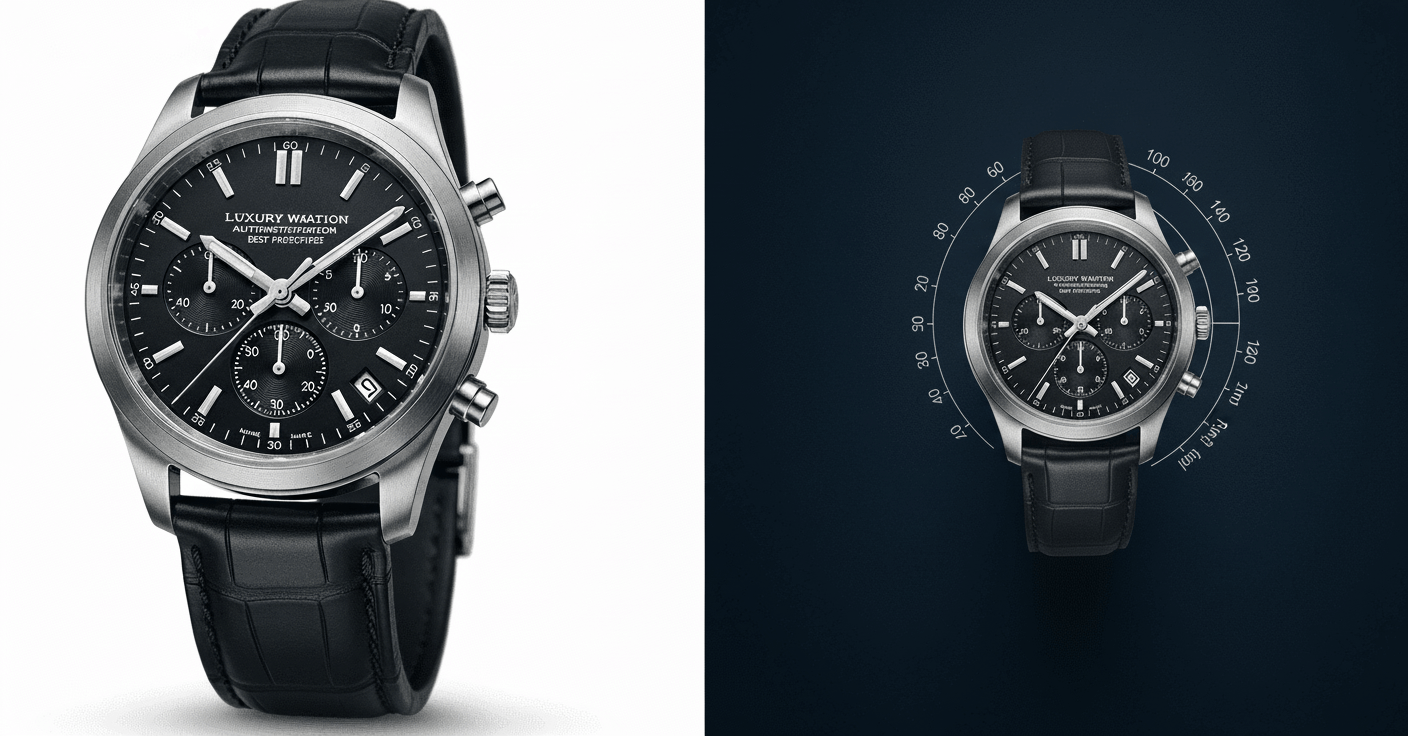
In the high-stakes world of luxury timepieces, authentication stands as the cornerstone of value preservation and consumer trust. With counterfeit watches accounting for an estimated $2.5 billion in annual market losses, proper verification methods have become non-negotiable for collectors, investors, and enthusiasts alike. The luxury watch market, particularly for iconic brands like Rolex, Bvlgari, and Louis Vuitton, demands rigorous authentication protocols that combine traditional expertise with cutting-edge technology. According to the EW Watches Authentication Guide, specialized verification tools can achieve up to 98% accuracy in detecting fakes and fraudulent modifications. This comprehensive guide explores the essential practices, technologies, and expert methodologies that distinguish genuine luxury timepieces from sophisticated counterfeits, ensuring your investments remain secure and valuable.
The Critical Importance of Professional Authentication
Professional authentication serves as the first line of defense against the increasingly sophisticated counterfeit market. Modern counterfeiters have evolved beyond crude imitations to create 'super fakes' that can deceive even experienced collectors. These replicas often feature genuine-looking materials, weight distributions, and mechanical movements that require expert examination to detect. The financial implications are substantial - authenticated Rolex Submariner models typically command 15-25% higher resale values compared to undocumented pieces. For Bvlgari Octo Finissimo watches, proper authentication can mean the difference between a $15,000 valuation and a complete write-off. The authentication process involves multiple verification layers, including visual inspection, mechanical testing, and documentation review. Certified watchmakers with brand-specific training can identify subtle inconsistencies in finishing, engraving techniques, and material composition that automated systems might miss. This human expertise, combined with technological verification, creates a robust authentication ecosystem that protects both buyers and sellers in the secondary market.
Advanced Verification Technologies and Methodologies
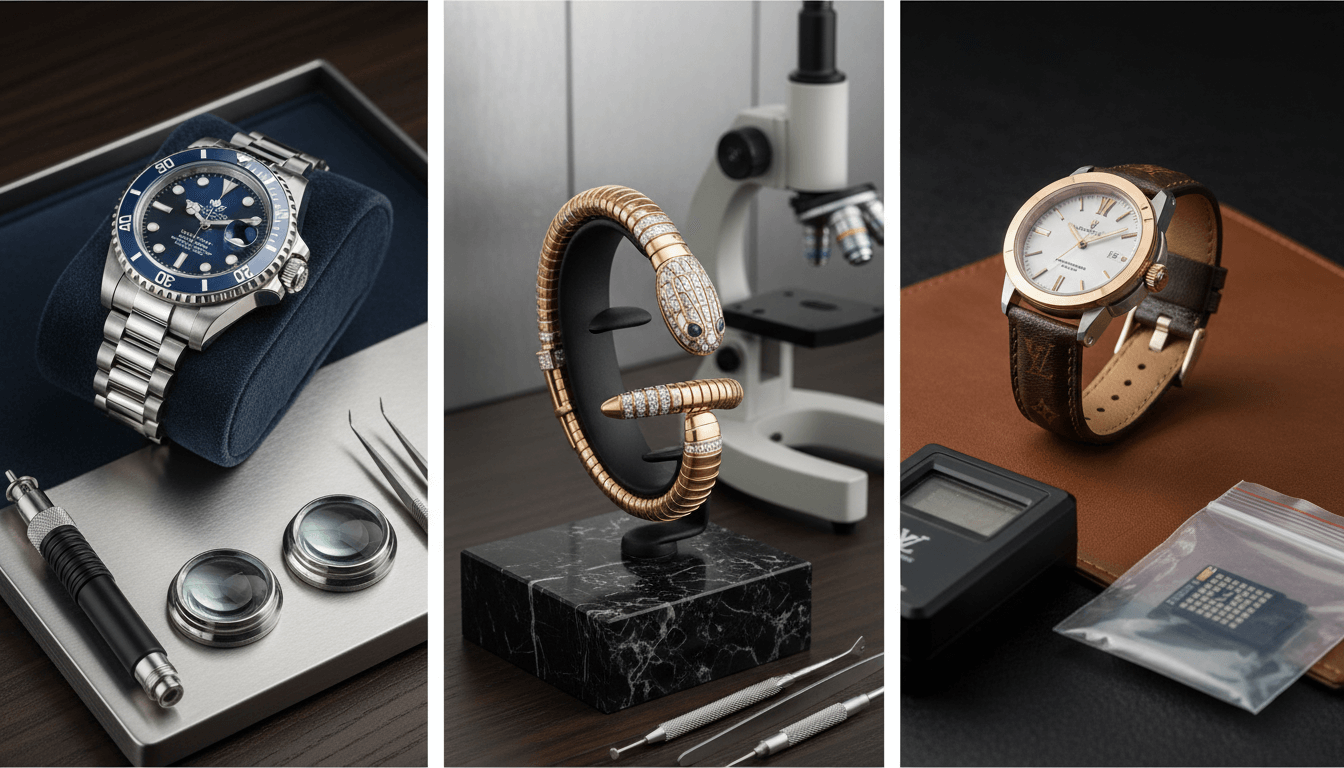
The authentication landscape has been revolutionized by technological advancements that complement traditional expert evaluation. High-resolution digital microscopy enables examiners to analyze movement components at 200x magnification, revealing machining patterns and finishing techniques unique to each manufacturer. For Rolex watches, this includes verifying the specific perlage pattern on movement bridges and the sunburst finishing on automatic winding mechanisms. Electronic timing machines measure accuracy within ±0.1 seconds per day, detecting even minor deviations that might indicate counterfeit or modified movements. Emerging technologies include spectroscopic analysis for material verification, which can identify the exact composition of gold alloys and ceramic components. Blockchain-based provenance tracking is gaining traction, with platforms like WatchBox and WatchRegister offering immutable digital records of ownership and service history. These systems can reduce authentication time from days to hours while maintaining the EW Watches Authentication Guide's reported 98% accuracy rate. For Louis Vuitton Tambour watches, specialized software analyzes the unique LV pattern alignment and stitching consistency, while Bvlgari authentication incorporates acoustic analysis of minute repeater mechanisms in complicated models.
Documentation and Provenance: The Paper Trail of Value
Comprehensive documentation represents perhaps the most crucial aspect of luxury watch authentication and valuation. Original paperwork, including certificates of authenticity, warranty cards, and purchase receipts, can increase a watch's value by up to 30% compared to undocumented examples. For Rolex watches, the presence of original box and papers (colloquially known as 'B&P') is essential for maximum valuation. The papers must match the watch's serial and reference numbers exactly, with no signs of alteration or reproduction. Service records from authorized dealers provide additional verification layers, documenting maintenance history and part replacements. Provenance research has become increasingly sophisticated, with authentication services now tracing ownership history through auction records, insurance documents, and previous sales receipts. Digital verification platforms have emerged that cross-reference serial numbers against global databases of stolen and counterfeit watches. The critical authentication factors identified in the source data - movement characteristics, serial number verification, and provenance documentation - work synergistically to create an unbroken chain of authenticity. For Bvlgari watches, this includes verifying the unique Gerald Genta design elements in heritage models, while Louis Vuitton authentication requires examination of the specific leather graining and hardware finishing that distinguish genuine pieces from replicas.
Brand-Specific Authentication Protocols
Each luxury watch manufacturer employs distinct authentication markers that require specialized knowledge to verify properly. Rolex authentication focuses on multiple verification points including the rehaut engraving, laser-etched crystal coronet at 6 o'clock, and the specific weight and feel of the Oyster case. Modern Rolex watches feature proprietary materials like Cerachrom bezels and Oystersteel that require specific testing protocols. The movement must exhibit the correct finishing, including Geneva stripes and perlage patterns specific to each calibre. Bvlgari authentication emphasizes the Italian manufacturer's unique design language, particularly in the Octo and Serpenti collections. The Octo's 110-facet case requires precise geometric verification, while Serpenti models demand examination of the flexible bracelet construction and enamel work. Louis Vuitton watch authentication involves verifying the Tambour case's distinctive drum shape curvature and the quality of the engraved Louis Vuitton signature. The manufacturer's recent high-complication models feature unique movements developed with La Fabrique du Temps, requiring specialized knowledge to authenticate properly. Each brand maintains specific serial number formats and dating systems that authentication experts must decode to verify production dates and model authenticity.
Market Impact and Value Preservation Strategies
The impact of proper authentication on market value cannot be overstated. Authenticated luxury watches demonstrate significantly higher liquidity in secondary markets, with authenticated pieces selling 40% faster than unverified examples. The differentiation in value between authenticated and non-authenticated watches varies by brand and model, but generally ranges from 20-35% for mainstream luxury models to 50% or more for limited editions and complicated pieces. Rolex Daytona models with full authentication typically achieve 25-30% premiums at auction compared to similar models without proper documentation. The authentication process itself has become a value-added service, with leading pre-owned dealers like Rolex-Buy-Sell.com offering certified authentication as part of their sales process. This market differentiation creates a clear hierarchy where properly authenticated watches command premium pricing while protecting buyers from potential losses. The emergence of third-party authentication services has further standardized the market, with companies like WatchCSA and The Watch Register providing independent verification that complements manufacturer certifications. These services typically charge 1-3% of the watch's value but can increase resale potential by 15-25%, representing a strong return on investment for serious collectors.
Key Takeaways
- 1Professional authentication achieves up to 98% accuracy using specialized tools and expert evaluation
- 2Movement analysis, serial number verification, and provenance documentation form the core authentication triad
- 3Advanced technologies including digital microscopy and spectroscopic analysis enhance detection capabilities
- 4Proper documentation can increase watch values by 20-30% and significantly improve market liquidity
- 5Brand-specific knowledge is essential for accurate authentication of Rolex, Bvlgari, and Louis Vuitton timepieces
- 6Authentication services typically provide 15-25% return on investment through enhanced resale values
Frequently Asked Questions
How much does professional watch authentication typically cost?
Authentication costs vary by service provider and watch value, typically ranging from $150-$500 for standard models and 1-3% of value for high-complication or vintage pieces. Many reputable dealers include authentication in their sales process at no additional charge.
Can I authenticate a luxury watch myself without professional help?
While basic checks like serial number verification and visual inspection can be performed, professional authentication requires specialized tools and training. Counterfeit watches have become increasingly sophisticated, making expert evaluation essential for accurate verification, particularly for high-value timepieces.
What documents are most important for watch authentication and valuation?
The most critical documents include original warranty cards, purchase receipts, service records from authorized dealers, and original box and papers. For maximum value preservation, maintain a complete ownership history including any auction certificates or insurance appraisals.
How often should luxury watches be re-authenticated?
Re-authentication is recommended every 3-5 years or before significant transactions. Additional authentication may be necessary after servicing or repairs, particularly if performed by non-authorized watchmakers, to ensure no unauthorized modifications have occurred.
What are the most common authentication failures for luxury watches?
Common issues include mismatched serial numbers, incorrect movement components, poor quality finishing, and documentation inconsistencies. Frankenwatches (assembled from mixed genuine and counterfeit parts) represent a particular challenge that requires expert examination to detect.
Conclusion
Luxury watch authentication represents both an art and a science, combining decades of horological expertise with cutting-edge verification technologies. As the pre-owned watch market continues to grow, reaching an estimated $25 billion annually, the importance of robust authentication practices has never been greater. The 98% accuracy rate achievable through professional authentication provides essential protection for collectors and investors, while the significant value differentiation between authenticated and non-authenticated pieces underscores the financial importance of proper verification. By understanding the critical authentication factors - movement analysis, serial number verification, and provenance documentation - and leveraging both expert evaluation and advanced technologies, market participants can navigate the luxury watch landscape with confidence. Whether buying, selling, or collecting Rolex, Bvlgari, Louis Vuitton, or other premium timepieces, comprehensive authentication remains the foundation of value preservation and market integrity.