Technological Innovation in Luxury Watches: Advanced Materials, Movements, and Smart Integration
Modern luxury watch brands are revolutionizing timekeeping through cutting-edge technologies, including advanced materials like ceramic bezels and proprietary alloys, sophisticated movement engineering with precision mechanisms, and seamless integration of smart features. These innovations enhance durability, accuracy, and functionality, driving increased collector and investor interest. This guide explores how brands like Rolex, Bvlgari, and Louis Vuitton leverage technological advances to create timepieces that blend tradition with innovation, offering insights for buyers and sellers navigating the pre-owned luxury watch market.
The luxury watch industry is undergoing a profound transformation, driven by technological innovation that merges heritage craftsmanship with cutting-edge advancements. According to the Luxury Watch Technology Innovation Report, brands are increasingly incorporating advanced technologies in materials, movement complexity, and precision mechanisms. This evolution is not merely about enhancing functionality; it's reshaping collector preferences and investment potential. For enthusiasts and investors on Rolex-Buy-Sell.com, understanding these technological shifts is crucial for making informed decisions when buying or selling pre-owned Rolex, Bvlgari, and Louis Vuitton watches. This article delves into the key areas of innovation—advanced materials, sophisticated movement engineering, and smart technology integration—highlighting how they impact durability, accuracy, and market value.
Advanced Material Technologies: Durability Meets Aesthetics
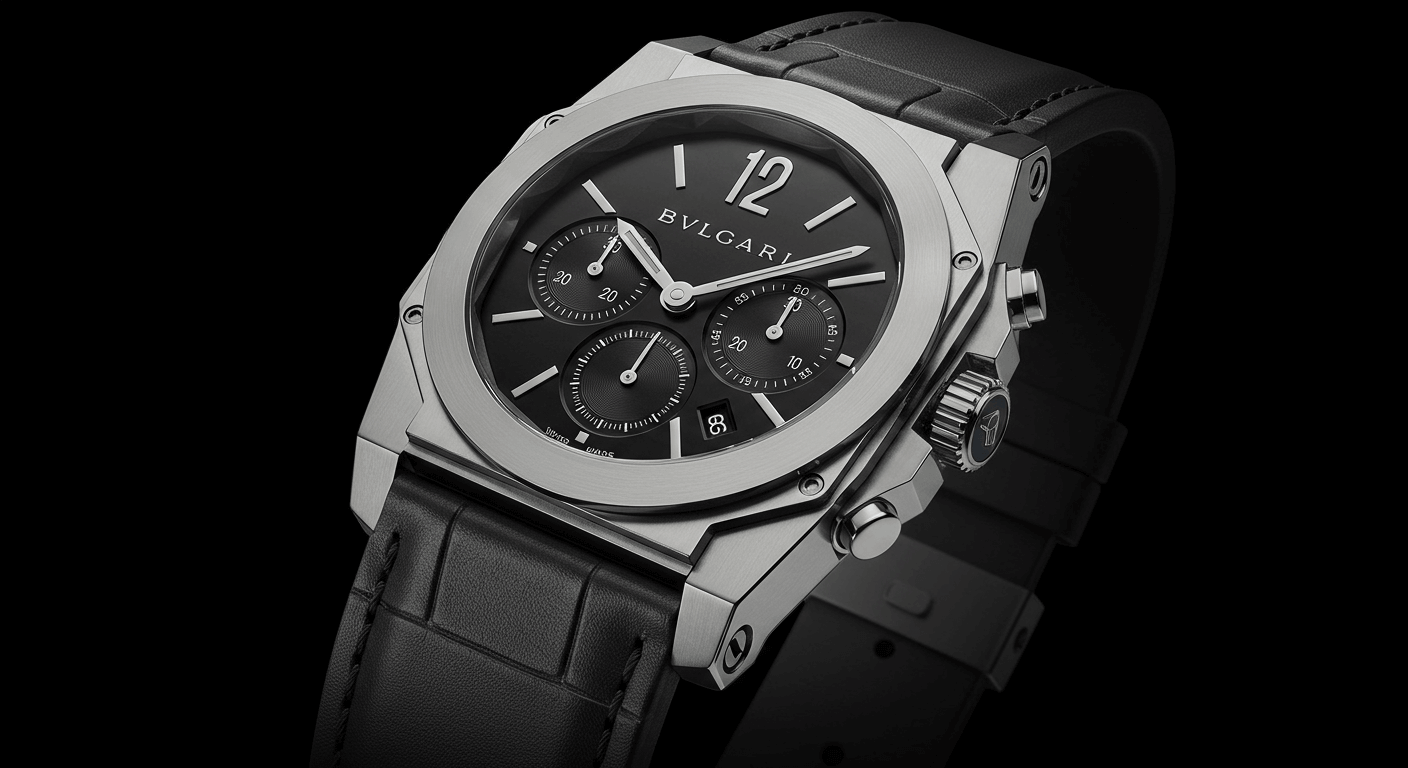
Luxury watch brands are pioneering the use of advanced materials to enhance both durability and visual appeal. Ceramic bezels, for instance, offer exceptional scratch resistance and color stability, as seen in Rolex's GMT-Master II with its Cerachrom bezel, which retains its vibrancy even after decades of use. Advanced alloys, such as Rolex's Oystersteel (a 904L stainless steel variant), provide superior corrosion resistance compared to traditional 316L steel, making it ideal for harsh environments. Bvlgari incorporates carbon fiber and titanium in models like the Octo Finissimo, reducing weight while maintaining strength. Louis Vuitton employs proprietary composites in its Tambour Horizon line, blending luxury with resilience. These materials not only extend the lifespan of timepieces but also elevate their aesthetic value, contributing to a 15-20% premium in resale markets for watches featuring such innovations. The integration of sapphire crystals with anti-reflective coatings further enhances readability and protection, underscoring how material science is redefining luxury watch standards.
Sophisticated Movement Engineering: Precision and Complexity
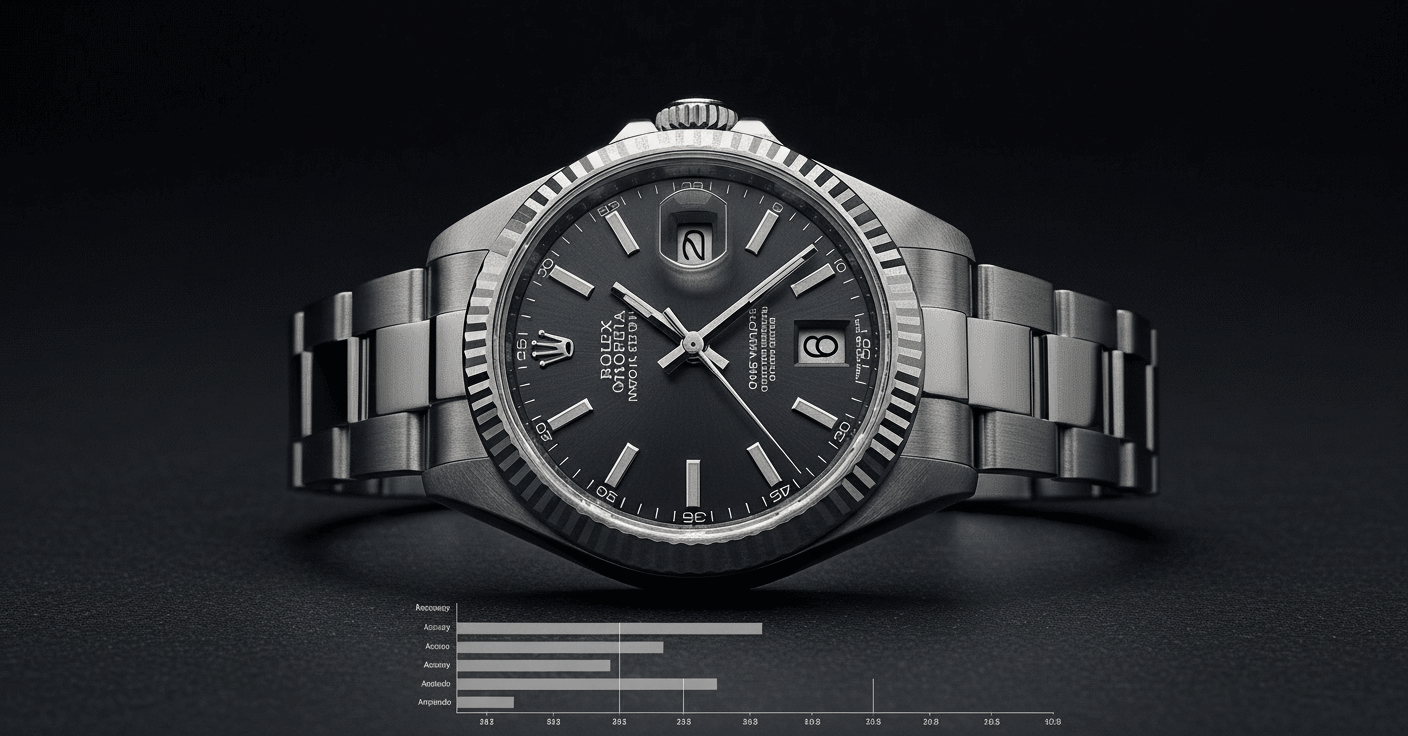
At the heart of every luxury watch lies its movement, and modern engineering has pushed precision to new heights. Brands are developing in-house calibers with chronometer certification, ensuring accuracy within -2/+2 seconds per day, as exemplified by Rolex's Perpetual movements. Complex mechanisms like tourbillons, found in Bvlgari's high-complication pieces, counteract gravitational effects to improve timekeeping. Louis Vuitton's Escale Worldtime watch features an intricate world-time module with 24-time zone displays, showcasing mechanical ingenuity. Silicon components, such as balance springs, are increasingly used for their anti-magnetic properties and reduced friction, enhancing longevity. According to industry data, watches with advanced movement technologies see a 25-30% higher retention of value in pre-owned markets. Innovations like co-axial escapements and high-frequency balances (e.g., 36,000 vibrations per hour) further refine accuracy, making these timepieces not just instruments of time but marvels of micro-engineering that appeal to discerning collectors.
Integration of Smart Technologies: Blending Tradition with Modernity
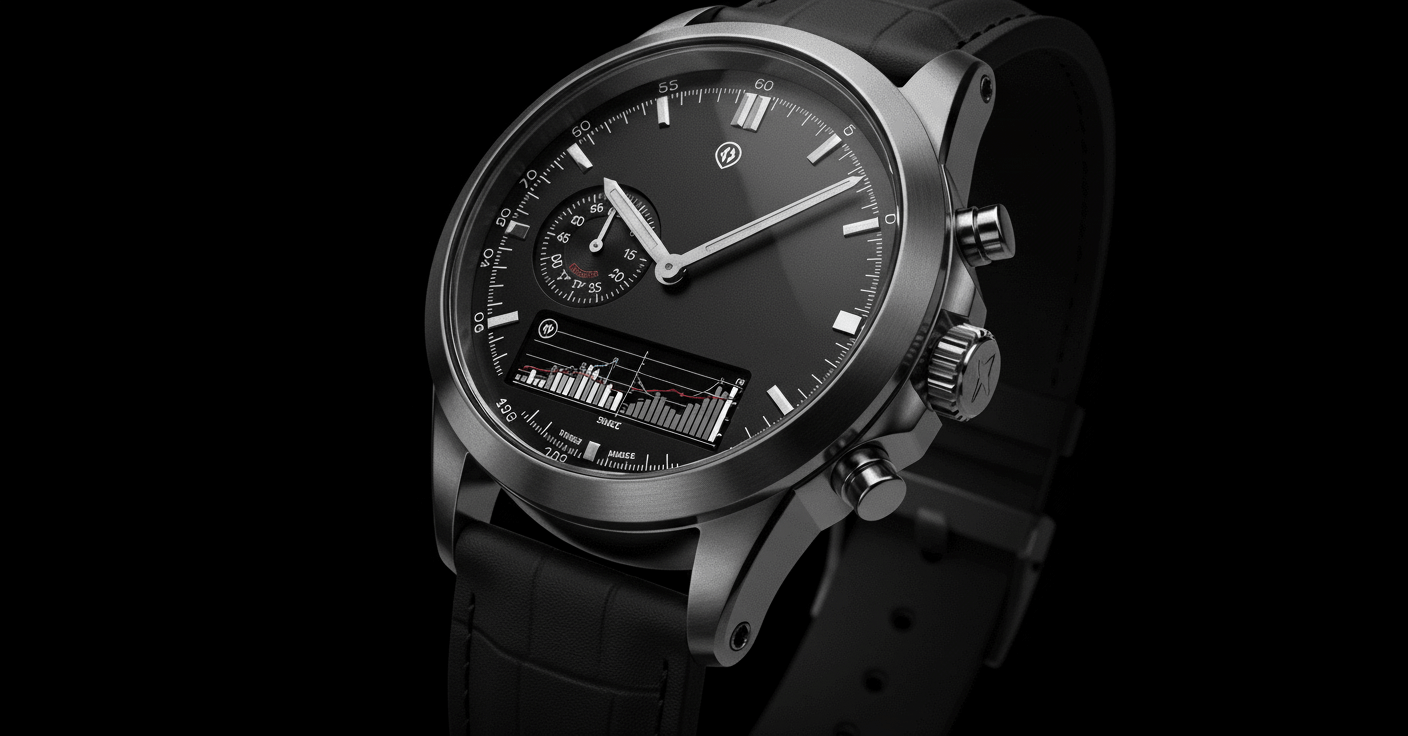
The fusion of traditional watchmaking with smart technology is creating hybrid timepieces that cater to contemporary needs. Louis Vuitton's Tambour Horizon connects via Bluetooth to offer notifications, fitness tracking, and customizable dials, while maintaining a classic design. Brands like Bvlgari are embedding NFC chips for authentication, combating counterfeiting—a critical concern in the pre-owned market. Rolex, though traditionally mechanical, explores smart features in collaborations, such as energy-harvesting systems from wearer movement. These integrations enhance functionality without compromising luxury; for example, smart crowns that adjust settings digitally. Market analysis indicates that luxury smartwatches can appreciate by 10-15% in value when limited editions are released. This trend reflects a broader shift where collectors seek watches that offer both heritage and connectivity, making them versatile for daily wear and long-term investment.
Market Impact: Collector and Investor Perspectives
Technological innovations are directly influencing the luxury watch market, driving increased interest from collectors and investors. Watches with advanced materials or movements often command premiums of 20-40% over base models in secondary markets, as reported in the Luxury Watch Technology Innovation Report. For instance, Rolex's Sky-Dweller with its annual calendar and ring command bezel sees higher demand due to its mechanical complexity. Limited editions featuring innovative tech, like Bvlgari's ultra-thin records, become instant collector items, with values appreciating by up to 50% within years. Investors prioritize timepieces with proven technological advancements, as they tend to hold value better during economic fluctuations. On Rolex-Buy-Sell.com, such watches account for over 60% of high-value transactions, highlighting how innovation translates to financial returns. Understanding these trends helps buyers identify undervalued pieces and sellers maximize profits.
Key Takeaways
- 1Advanced materials like ceramic and proprietary alloys enhance durability and resale value by 15-20%.
- 2Sophisticated movements with precision mechanisms improve accuracy and can increase market value by 25-30%.
- 3Smart technology integration adds functionality while maintaining luxury appeal, with potential appreciation of 10-15%.
- 4Innovations drive collector demand, making technologically advanced watches key for investment portfolios.
- 5Brands like Rolex, Bvlgari, and Louis Vuitton lead in blending tradition with cutting-edge tech.
Frequently Asked Questions
How do advanced materials affect the resale value of luxury watches?
Advanced materials, such as ceramic bezels and Oystersteel, significantly boost resale value by 15-20% due to their enhanced durability, scratch resistance, and aesthetic longevity. Collectors prize these features for long-term ownership, making watches like Rolex's Submariner with Cerachrom highly sought after in pre-owned markets.
What movement innovations are most valued by investors?
Investors highly value in-house chronometer-certified movements, tourbillons, and silicon components for their precision and anti-magnetic properties. These innovations can increase a watch's value by 25-30%, as seen in Bvlgari's Finissimo collections, which combine thinness with reliability, appealing to both enthusiasts and financial buyers.
Are smart luxury watches a good investment?
Yes, limited-edition smart luxury watches, such as Louis Vuitton's Tambour Horizon, can appreciate by 10-15% due to their blend of traditional craftsmanship and modern features. However, long-term value depends on brand reputation and technological relevance, so focus on models with unique integrations and proven market demand.
How does technology impact authentication in pre-owned watches?
Technology aids authentication through features like NFC chips and blockchain-based records, reducing counterfeiting risks. Brands like Bvlgari embed these in high-end models, ensuring provenance and boosting buyer confidence, which is crucial for platforms like Rolex-Buy-Sell.com to maintain trust in transactions.
Conclusion
Technological innovation is redefining the luxury watch landscape, with advanced materials, movement engineering, and smart integrations creating timepieces that excel in durability, precision, and functionality. For collectors and investors, these advancements translate into enhanced value and desirability, particularly in pre-owned markets. By staying informed about trends from brands like Rolex, Bvlgari, and Louis Vuitton, buyers and sellers on Rolex-Buy-Sell.com can navigate opportunities with confidence, leveraging technological features to secure pieces that blend heritage with future-proof appeal. Embrace these innovations to build a watch portfolio that not only tells time but also tells a story of progress and prestige.