Luxury Watch Design Philosophy: From Rolex's Practical Tools to Patek Philippe's Artistic Elegance
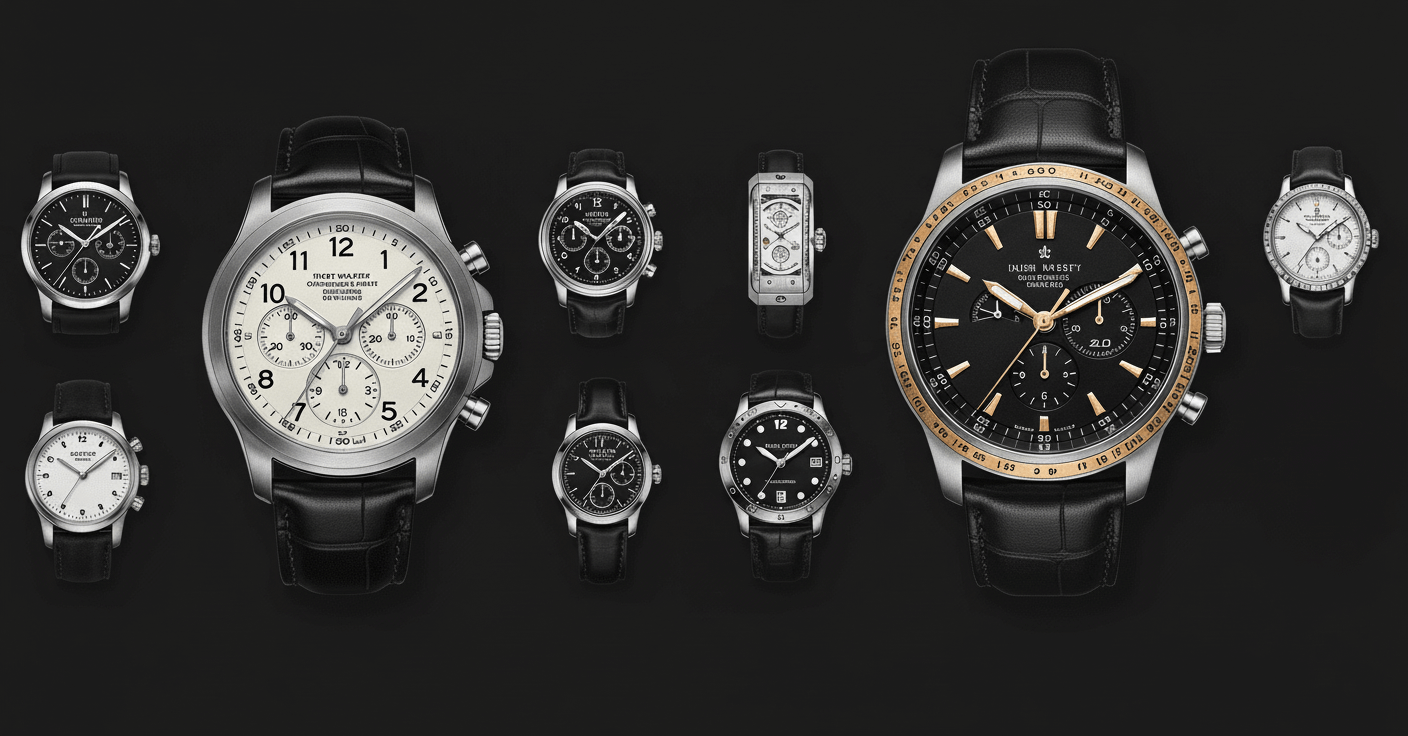
This comprehensive analysis explores the distinct design philosophies of luxury watch brands, examining how Rolex champions practical, durable tool watches with iconic models like the Submariner and Daytona, while Patek Philippe embodies timeless elegance through intricate complications and hand-finishing. Audemars Piguet breaks conventions with avant-garde designs like the Royal Oak, blending sportiness with haute horlogerie. The spectrum spans from functional reliability to artistic mastery, reflecting brand heritage, target demographics, and technical innovation in haute horology.
Luxury watch design philosophies represent a spectrum from pure functionality to artistic expression, deeply rooted in brand heritage and technical prowess. Rolex, established in 1905, pioneered the concept of practical tool watches with models like the Oyster case (1926), ensuring water resistance up to 100m initially. Patek Philippe, founded in 1839, champions perpetual elegance through grand complications, with calibers like the CH 29-535 PS Q taking over 5 years to develop. Audemars Piguet, since 1875, merges innovation with bold aesthetics, exemplified by the Royal Oak's 1972 debut featuring an integrated bracelet and octagonal bezel. This analysis delves into how these divergent approaches—practical (Rolex), artistic (Patek Philippe/AP)—shape materials, movements, and market positioning, impacting collector value and wearability.
Rolex: Practical Tool Watch Design
Advantages
- Exceptional durability with 904L stainless steel offering superior corrosion resistance
- High water resistance (Submariner: 300m, Sea-Dweller: 1,220m) for professional use
- Consistent design evolution maintaining iconic silhouettes like the Cyclops date window
- Robust movements (e.g., Caliber 3235 with 70-hour power reserve and ±2 sec/day accuracy)
- Strong resale value with average retention of 85-120% on popular models
Considerations
- Conservative aesthetics limiting avant-garde experimentation
- Limited customization and rare use of precious stones compared to competitors
- High market demand leading to multi-year waiting lists for references like Daytona 116500LN
- Heavier focus on functionality over artistic hand-finishing in movements
Technical Specifications
- Founding Year
- 1905
- Signature Material
- 904L Steel, Cerachrom Bezels
- Power Reserve Range
- 48-70 hours
- Water Resistance Range
- 100-1220 meters
- Price Range
- $7,000 - $75,000
Patek Philippe: Classic Elegance and Complications
Advantages
- Mastery of grand complications (e.g., Grandmaster Chime with 20 functions and $2.6M price)
- Exquisite hand-finishing: Geneva stripes, anglage, and perlage on movements like Caliber 240
- Timeless designs with cases often under 40mm for dress watch appropriateness
- Rare limited editions (e.g., 175th Anniversary models) driving collector appeal
- Prestigious heritage with patents including the Gyromax balance wheel (1949-1951)
Considerations
- Extreme price points (Nautilus 5711/1A sold for over $100,000 above retail)
- Fragility in sports models compared to Rolex's tool-oriented builds
- Long production times (up to 9 months for complications) limiting availability
- Less focus on luminescence and extreme water resistance (typically 60-120m)
Technical Specifications
- Founding Year
- 1839
- Signature Material
- 18k Gold, Platinum, Enamel Dials
- Power Reserve Range
- 48-70 hours
- Water Resistance Range
- 30-120 meters
- Price Range
- $20,000 - $2,500,000
Audemars Piguet: Avant-Garde and Artistic Innovation
Advantages
- Bold architectural designs like the Royal Oak's 'Tapisserie' dial and bezel with 8 hexagonal screws
- Innovative materials: Ceramic, forged carbon, and sandblasted titanium in Code 11.59 collections
- Artistic collaborations (e.g., with Carroll Dunham) limited to 50-200 pieces per edition
- High-beat movements (Caliber 4401 with 28,800 vph and flyback chronograph)
- Strong sport-luxury hybrid appeal with 50m-300m water resistance across collections
Considerations
- Higher susceptibility to scratches on polished surfaces and intricate bracelets
- Limited classic dress watch options beyond Royal Oak and Millenary lines
- Premium pricing for novelties (Royal Oak Concept Flying Tourbillon over $200,000)
- Smaller service network compared to Rolex's global 4,000+ watchmakers
Technical Specifications
- Founding Year
- 1875
- Signature Material
- Stainless Steel, Ceramic, Forged Carbon
- Power Reserve Range
- 38-70 hours
- Water Resistance Range
- 50-300 meters
- Price Range
- $15,000 - $500,000
Model Comparison
| Design Aspect | Rolex | Patek Philippe | Audemars Piguet |
|---|---|---|---|
| Primary Philosophy | Practical Tool Orientation | Classic Elegance & Complications | Avant-Garde & Artistic |
| Case Size Range | 36-44mm | 35-42mm | 37-44mm |
| Movement Finishing | Functional (COSC Certified) | Haute Horlogerie Hand-Finishing | Industrial & Artistic Blend |
| Iconic Model | Submariner 126610LN | Nautilus 5711/1A | Royal Oak 15500ST |
| Water Resistance | 100-1220m | 30-120m | 50-300m |
| Average Power Reserve | 70 hours | 48-70 hours | 38-70 hours |
| Material Innovation | Cerachrom, Everose Gold | Enamel, Sapphire Casebacks | Forged Carbon, Ceramic |
| Retail Price Range | $7,000 - $75,000 | $20,000 - $2,500,000 | $15,000 - $500,000 |
Final Verdict
The luxury watch design spectrum vividly illustrates how Rolex, Patek Philippe, and Audemars Piguet cater to distinct consumer values. Rolex excels in robust, practical timepieces with unparalleled reliability—ideal for daily wear and professional use. Patek Philippe embodies horological artistry, offering heirloom-quality complications and timeless elegance suited for formal occasions and collectors. Audemars Piguet bridges innovation and style, appealing to those seeking bold statements and contemporary aesthetics. Ultimately, the choice depends on prioritizing functionality (Rolex), tradition (Patek Philippe), or avant-garde expression (AP), with each brand delivering exceptional craftsmanship within its philosophical framework.
Tags
Related Articles

Rolex Tudor Relationship: In-Depth Analysis of Sister Brands
Tudor serves as Rolex's strategic sister brand, offering more accessible luxury timepieces while maintaining Rolex's design DNA and quality standards. Founded by Hans Wilsdorf in 1926, Tudor provides entry-level luxury watches with prices typically 40-60% lower than comparable Rolex models. While sharing design language and manufacturing expertise, Tudor establishes its own identity through in-house movements and contemporary styling. This relationship allows the brands to capture different market segments while maintaining the prestige associated with the Rolex name.
Rolex Sky-Dweller: Ultimate Global Traveler's Watch Analysis
The Rolex Sky-Dweller represents a pinnacle achievement in luxury watchmaking, combining sophisticated dual time zone functionality with an innovative annual calendar system. Launched in 2012, this masterpiece features the groundbreaking Ring Command bezel that revolutionized watch interaction. Crafted exclusively in precious metals, the Sky-Dweller serves as the ultimate companion for international travelers and discerning collectors seeking both technical excellence and aesthetic refinement in a single timepiece.
Rolex Submariner: The Definitive Dive Watch Analysis
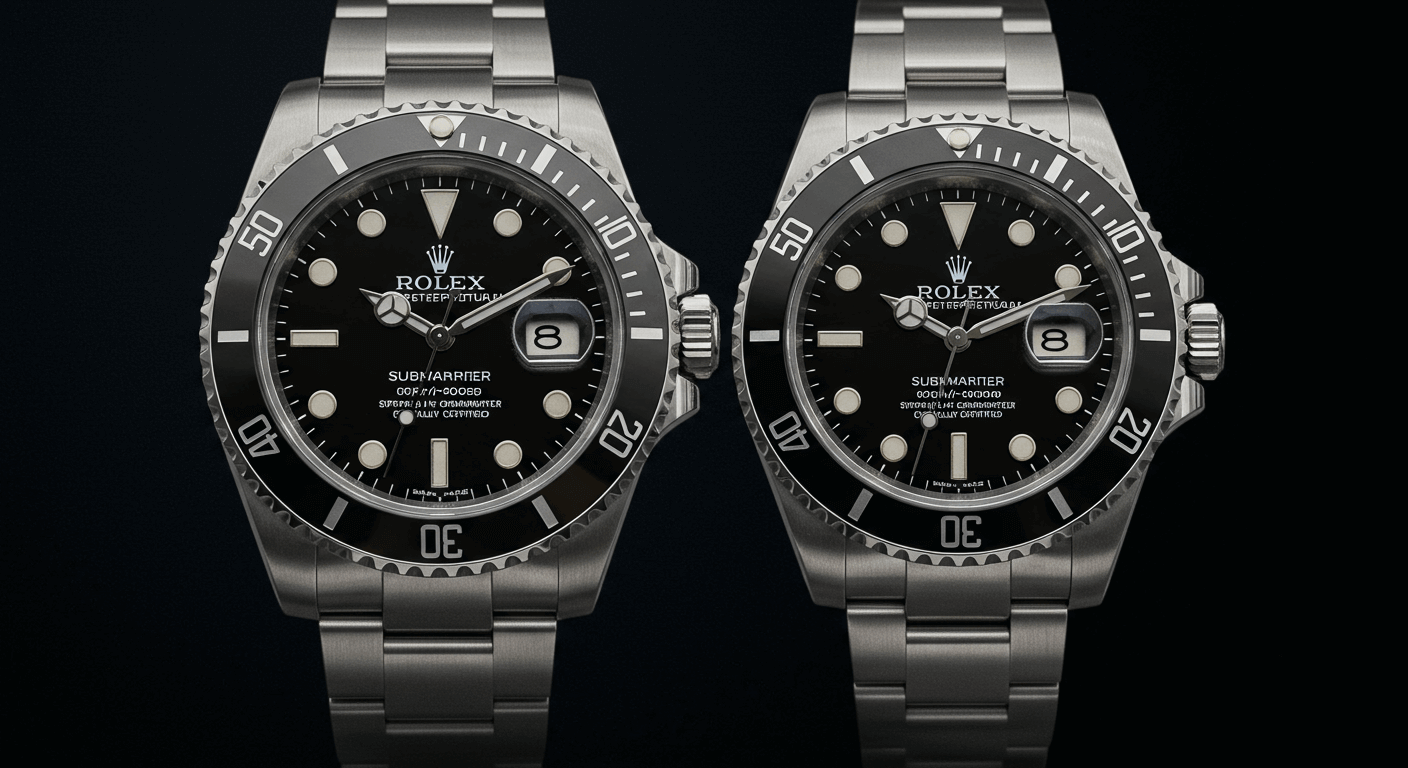
The Rolex Submariner stands as the undisputed benchmark in professional dive watches, combining robust Oystersteel construction with exceptional waterproof capabilities exceeding 300 meters. As part of Rolex's annual production of approximately 1.1 million watches, this iconic timepiece represents the pinnacle of sports and tool watch engineering with its unidirectional rotating bezel, luminescent Chromalight display, and self-winding perpetual movement. Its enduring popularity in the luxury watch market reflects both its technical excellence and timeless design aesthetic that transcends diving functionality to become a cultural symbol.
Luxury Watch Brand Heritage: Historical Foundations of Horological Excellence
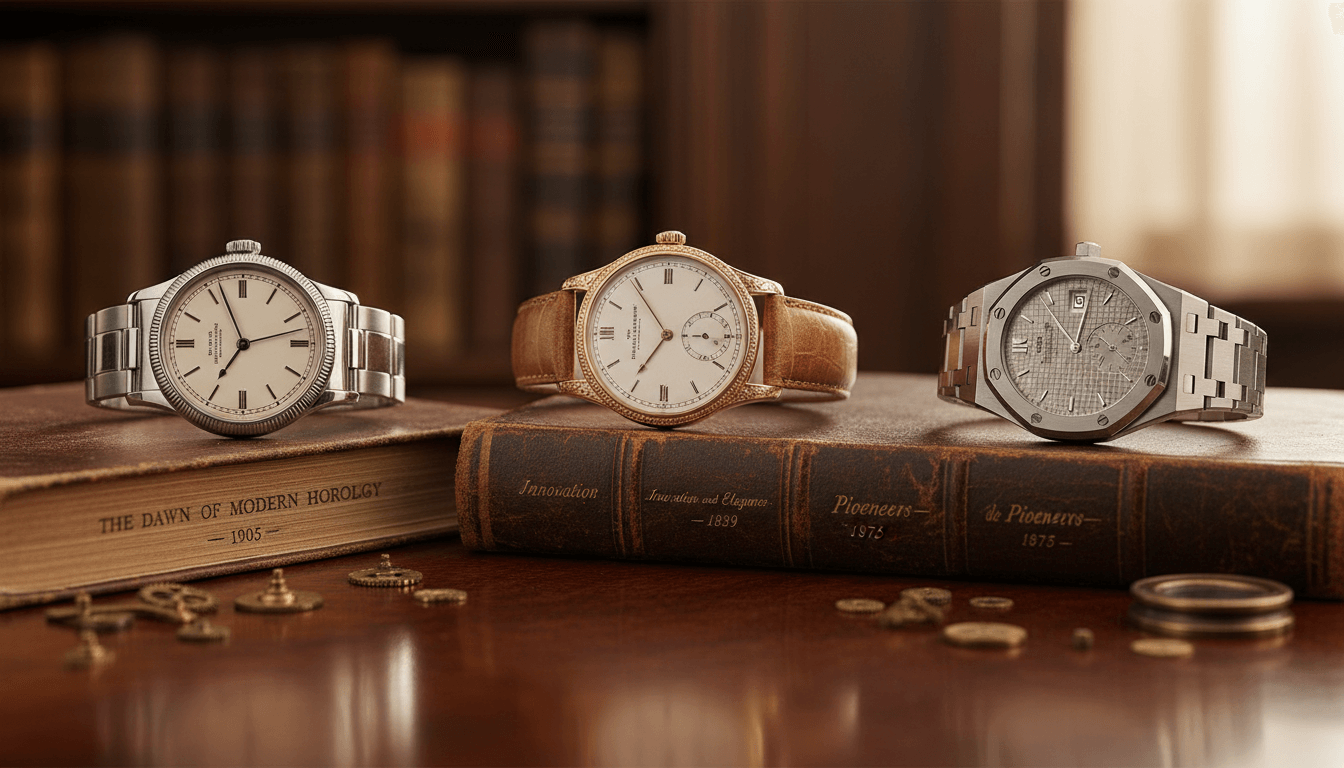
This comprehensive analysis explores the heritage of three premier luxury watch brands—Rolex, Patek Philippe, and Audemars Piguet—founded in the mid-to-late 19th century. It delves into their pioneering contributions to modern watchmaking, from Rolex's Oyster case innovations to Patek Philippe's perpetual calendars and Audemars Piguet's Royalton revolution. The article examines key milestones, iconic models, and enduring legacies that define their significance in horological history, providing insights for collectors and enthusiasts on how heritage influences value and prestige in today's market.

Limited Edition and Special Collection Watches: Comprehensive Analysis of Ultra-Exclusive Horology
This in-depth examination explores the world of limited edition and special collection watches, representing the absolute pinnacle of luxury watchmaking innovation and design. These timepieces feature extreme limited production runs, often numbering fewer than 100 pieces globally, with unique complications and artistic designs that command extreme collector interest. We analyze the characteristics that make these watches highly collectible special editions, their technical innovations, and why they maintain extremely high collector value in both primary and secondary markets.
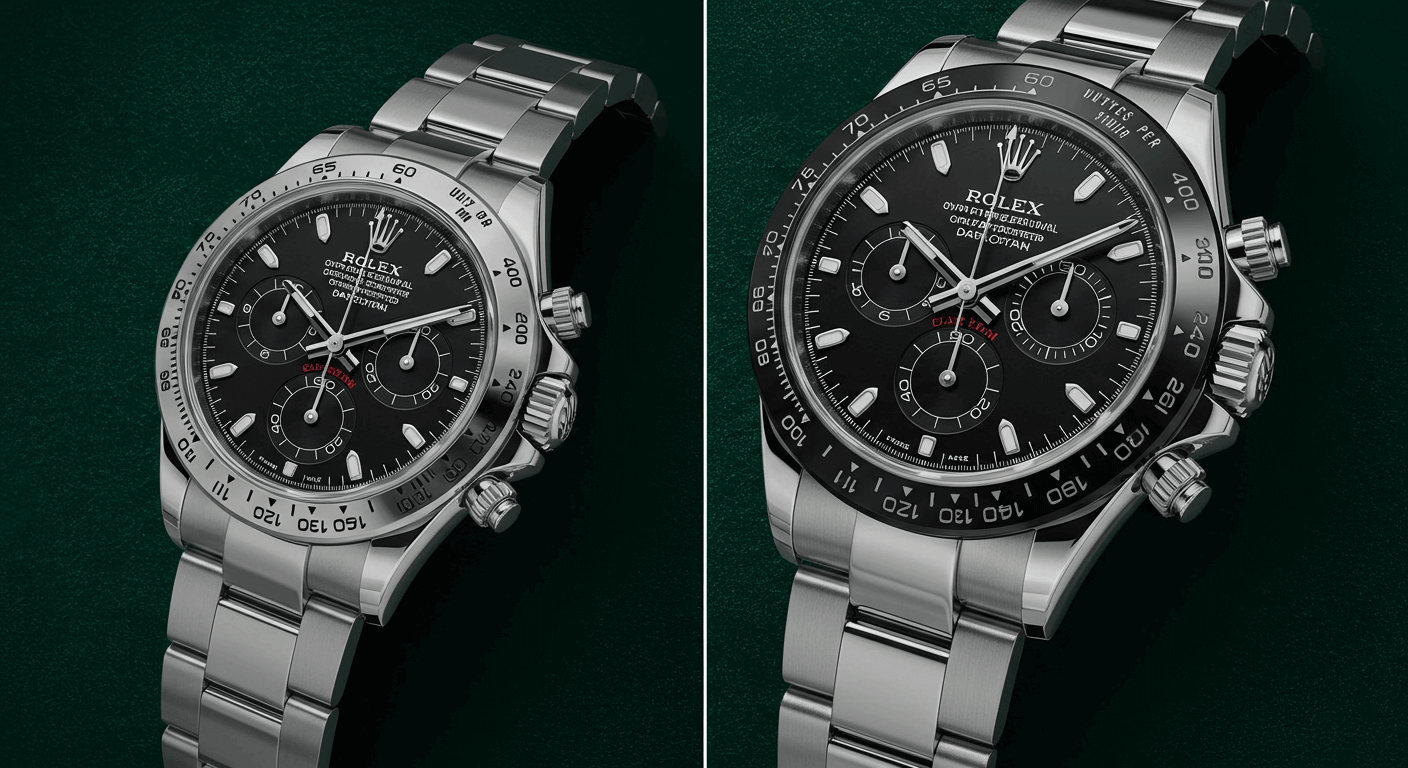
Rolex Daytona: Comprehensive Analysis of the Iconic Motorsport Chronograph
The Rolex Daytona represents the pinnacle of chronograph watchmaking, combining motorsport heritage with exceptional craftsmanship. Featuring the signature waterproof Oyster case, tri-register dial, and tachymeter bezel, this timepiece has evolved through multiple generations while maintaining its classic design DNA. With market values consistently exceeding retail prices and production numbers carefully controlled, the Daytona remains one of the most collectible luxury watches. This analysis examines its technical specifications, investment potential, and position within the competitive luxury chronograph segment.