Luxury Watch Materials Innovation: Advanced Metals and Technical Differentiation
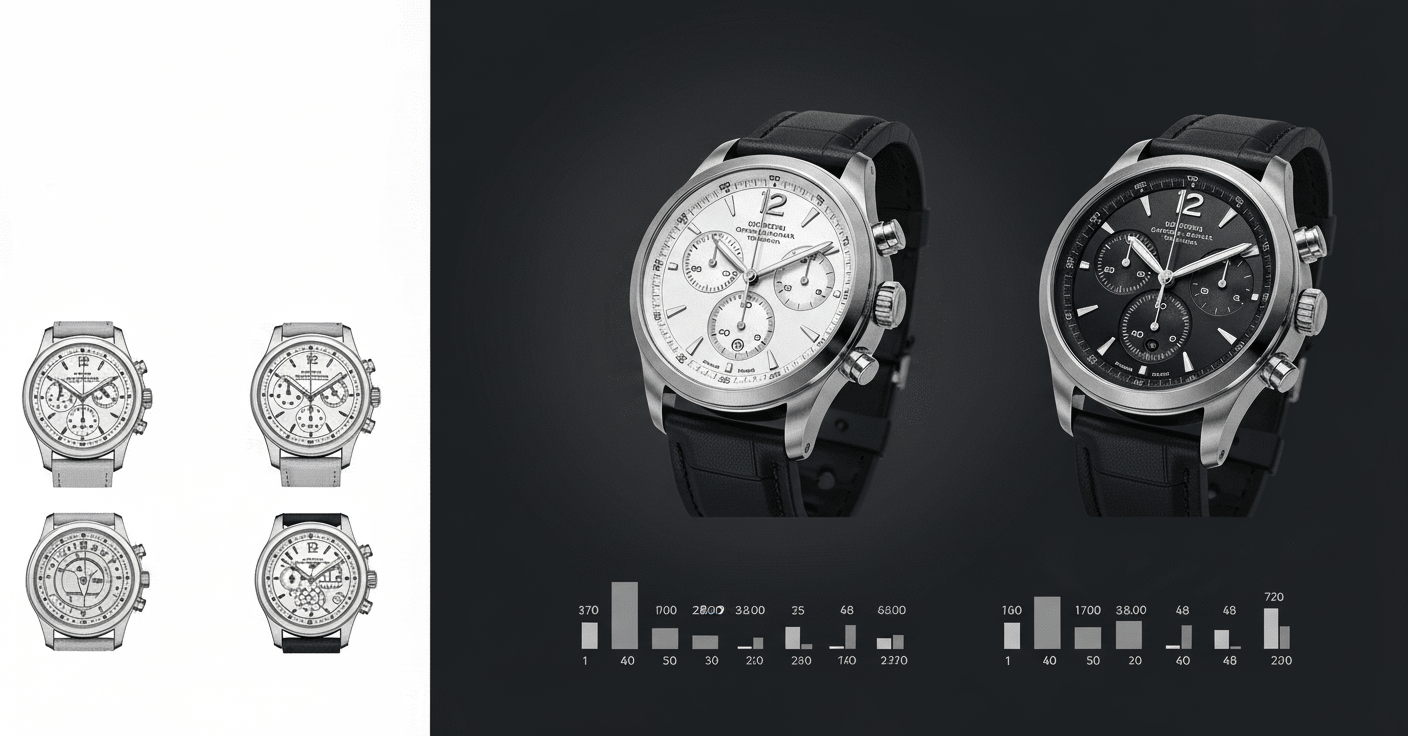
This comprehensive analysis explores how leading luxury watch manufacturers leverage material science to achieve technical superiority and aesthetic distinction. Examining Rolex's proprietary 904L Oystersteel and Audemars Piguet's pioneering use of forged carbon and ceramics, we detail how these innovations enhance durability, corrosion resistance, and visual appeal. The article reveals how material selection directly impacts performance metrics, manufacturing complexity, and brand positioning within the competitive luxury watch landscape, providing collectors and enthusiasts with crucial insights for informed acquisition decisions.
The luxury watch industry's relentless pursuit of excellence has transformed material science from a supporting element to a central differentiator in product development. As documented by Wristler.eu, manufacturers increasingly deploy advanced metals, ceramics, and unique alloys to achieve both technical and aesthetic superiority. This comprehensive analysis examines how material innovation drives competitive advantage, focusing on two industry leaders: Rolex with their proprietary 904L Oystersteel and Audemars Piguet with their groundbreaking forged carbon and ceramic implementations. Beyond surface-level appearances, these materials represent significant engineering achievements that impact durability, manufacturing complexity, corrosion resistance, and ultimately, collector value. The evolution from traditional stainless steel to these specialized compounds reflects the industry's commitment to pushing technological boundaries while maintaining the artistic integrity that defines luxury timepieces.
Rolex 904L Oystersteel
Advantages
- Superior corrosion resistance compared to 316L steel, particularly against chlorides and acidic environments
- Enhanced polishability achieving mirror-like finishes unmatched by standard watch steels
- Higher nickel and chromium content (23% nickel, 21% chromium) provides exceptional durability
- Maintains structural integrity in extreme environmental conditions including saltwater exposure
- Proprietary manufacturing process ensures consistent quality across all Rolex collections
Considerations
- Significantly higher manufacturing costs due to specialized tooling requirements
- Increased machining difficulty extends production timelines
- Limited to Rolex timepieces, reducing availability across the broader market
- Higher nickel content may cause allergic reactions in sensitive individuals
- Substantial R&D investment reflected in final consumer pricing
Technical Specifications
- Composition
- Iron base with 21% chromium, 25% nickel, 4.5% molybdenum
- Hardness
- 150-200 HV (comparable to 316L but with superior work hardening)
- Corrosion Resistance
- Excellent in marine and industrial environments
- First Implementation
- 1985 with Sea-Dweller reference 16600
- Current Usage
- All Rolex steel models including Submariner, GMT-Master II, and Daytona
Audemars Piguet Forged Carbon & Ceramic
Advantages
- Extreme lightweight properties without compromising structural strength
- Unique marbled aesthetic patterns that ensure no two watch cases are identical
- Exceptional shock resistance and vibration damping characteristics
- Superior scratch resistance maintains appearance over extended wear periods
- Advanced manufacturing allows complex case geometries impossible with metals
Considerations
- Extremely high production costs due to specialized compression molding processes
- Limited repairability options - damaged components typically require complete replacement
- Complex manufacturing results in higher defect rates compared to metal cases
- Restricted to specific model lines, primarily Royal Oak and Royal Oak Offshore
- Potential for micro-fractures under extreme impact conditions despite overall toughness
Technical Specifications
- Composition
- Carbon fiber composite with epoxy resin matrix
- Density
- 1.6 g/cm³ (approximately 1/5 the density of steel)
- Hardness
- 80-85 Shore D scale
- First Implementation
- 2007 with Royal Oak Offshore Alinghi Polaris
- Current Usage
- Royal Oak Offshore, Concept series, and limited edition models
Advanced Ceramic Implementations
Advantages
- Exceptional hardness (typically 1200-1500 Vickers) provides superior scratch resistance
- Complete color consistency throughout material thickness with fade-resistant properties
- Hypoallergenic characteristics suitable for sensitive skin types
- Lightweight construction enhances wearing comfort for larger timepieces
- Excellent chemical inertness resists corrosion from salts, acids, and environmental factors
Considerations
- Brittle fracture characteristics under extreme impact despite high compressive strength
- Complex sintering process requires precise temperature control up to 1500°C
- Limited color options compared to PVD/DLC coated metals
- Higher production costs due to energy-intensive manufacturing processes
- Challenging machining requirements limit design flexibility for small components
Technical Specifications
- Composition
- Zirconium dioxide (ZrO2) with yttrium stabilization
- Density
- 6.0 g/cm³ (higher than aluminum but lower than steel)
- Hardness
- 1200-1500 HV (significantly harder than sapphire crystal)
- Color Techniques
- Sintering with metal oxide pigments for permanent coloration
- Notable Implementations
- Rolex Cerachrom bezels, Audemars Piguet ceramic cases, Hublot Magic Gold hybrids
Model Comparison
| Material | Hardness (HV) | Density (g/cm³) | Corrosion Resistance | Manufacturing Complexity | Typical Applications |
|---|---|---|---|---|---|
| Rolex 904L Oystersteel | 150-200 | 8.0 | Excellent | High | Cases, bracelets, clasps |
| AP Forged Carbon | 80-85 Shore D | 1.6 | Excellent | Very High | Cases, bezels, casebacks |
| Advanced Ceramics | 1200-1500 | 6.0 | Outstanding | Extreme | Bezels, cases, pushers |
| Traditional 316L Steel | 150-200 | 8.0 | Good | Moderate | Industry standard cases |
| Titanium Alloys | 200-300 | 4.5 | Excellent | High | Lightweight cases, sports models |
Final Verdict
The material innovation landscape in luxury watchmaking demonstrates a clear trajectory toward specialized compounds that offer distinct performance advantages. Rolex's 904L Oystersteel establishes the benchmark for corrosion resistance and finishing excellence in precious metals, while Audemars Piguet's forged carbon represents the pinnacle of lightweight structural innovation. Advanced ceramics provide unmatched scratch resistance and color stability for critical components. Each material serves specific purposes within the luxury watch ecosystem, with selection dependent on intended use case, aesthetic preferences, and performance requirements. For daily wear in demanding environments, Rolex's Oystersteel offers proven reliability. For collectors seeking ultra-lightweight construction and unique aesthetics, AP's forged carbon delivers exceptional performance. Ceramic components provide maintenance-free durability for high-wear areas. Ultimately, these material innovations collectively elevate the entire industry, pushing technological boundaries while enhancing the functional artistry that defines luxury timepieces.
Tags
Related Articles
Luxury Watch Design Philosophy: From Rolex's Practical Tools to Patek Philippe's Artistic Elegance
This comprehensive analysis explores the distinct design philosophies of luxury watch brands, examining how Rolex champions practical, durable tool watches with iconic models like the Submariner and Daytona, while Patek Philippe embodies timeless elegance through intricate complications and hand-finishing. Audemars Piguet breaks conventions with avant-garde designs like the Royal Oak, blending sportiness with haute horlogerie. The spectrum spans from functional reliability to artistic mastery, reflecting brand heritage, target demographics, and technical innovation in haute horology.

Rolex Tudor Relationship: In-Depth Analysis of Sister Brands
Tudor serves as Rolex's strategic sister brand, offering more accessible luxury timepieces while maintaining Rolex's design DNA and quality standards. Founded by Hans Wilsdorf in 1926, Tudor provides entry-level luxury watches with prices typically 40-60% lower than comparable Rolex models. While sharing design language and manufacturing expertise, Tudor establishes its own identity through in-house movements and contemporary styling. This relationship allows the brands to capture different market segments while maintaining the prestige associated with the Rolex name.
Rolex Sky-Dweller: Ultimate Global Traveler's Watch Analysis
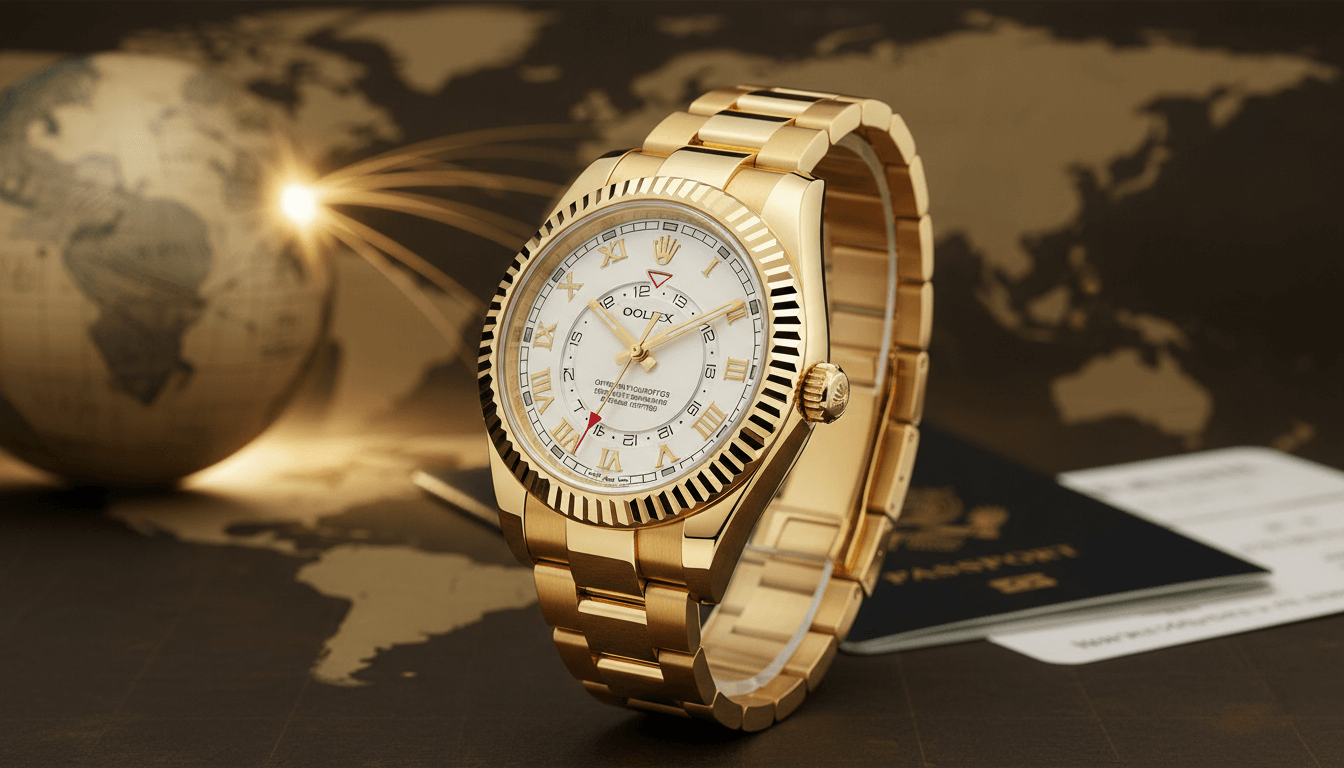
The Rolex Sky-Dweller represents a pinnacle achievement in luxury watchmaking, combining sophisticated dual time zone functionality with an innovative annual calendar system. Launched in 2012, this masterpiece features the groundbreaking Ring Command bezel that revolutionized watch interaction. Crafted exclusively in precious metals, the Sky-Dweller serves as the ultimate companion for international travelers and discerning collectors seeking both technical excellence and aesthetic refinement in a single timepiece.
Rolex Submariner: The Definitive Dive Watch Analysis
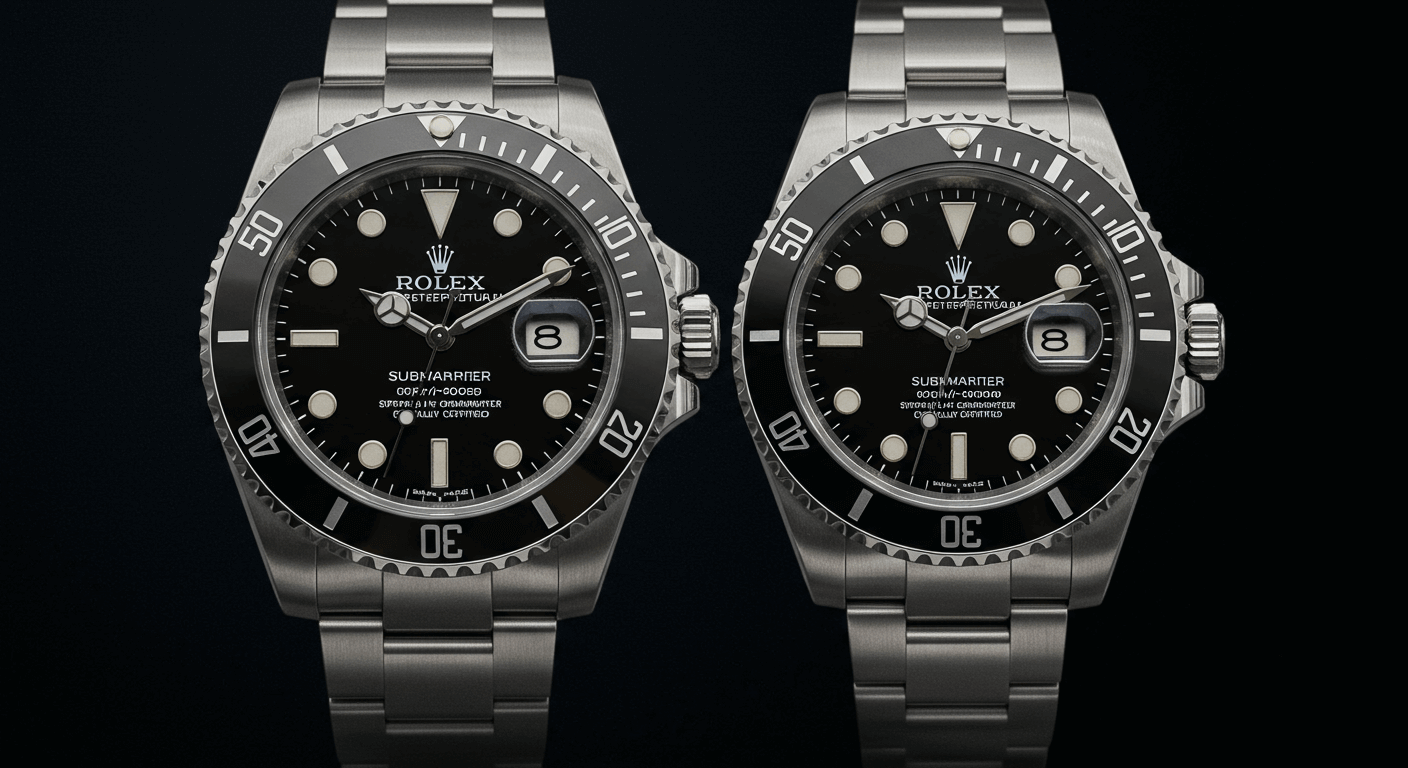
The Rolex Submariner stands as the undisputed benchmark in professional dive watches, combining robust Oystersteel construction with exceptional waterproof capabilities exceeding 300 meters. As part of Rolex's annual production of approximately 1.1 million watches, this iconic timepiece represents the pinnacle of sports and tool watch engineering with its unidirectional rotating bezel, luminescent Chromalight display, and self-winding perpetual movement. Its enduring popularity in the luxury watch market reflects both its technical excellence and timeless design aesthetic that transcends diving functionality to become a cultural symbol.
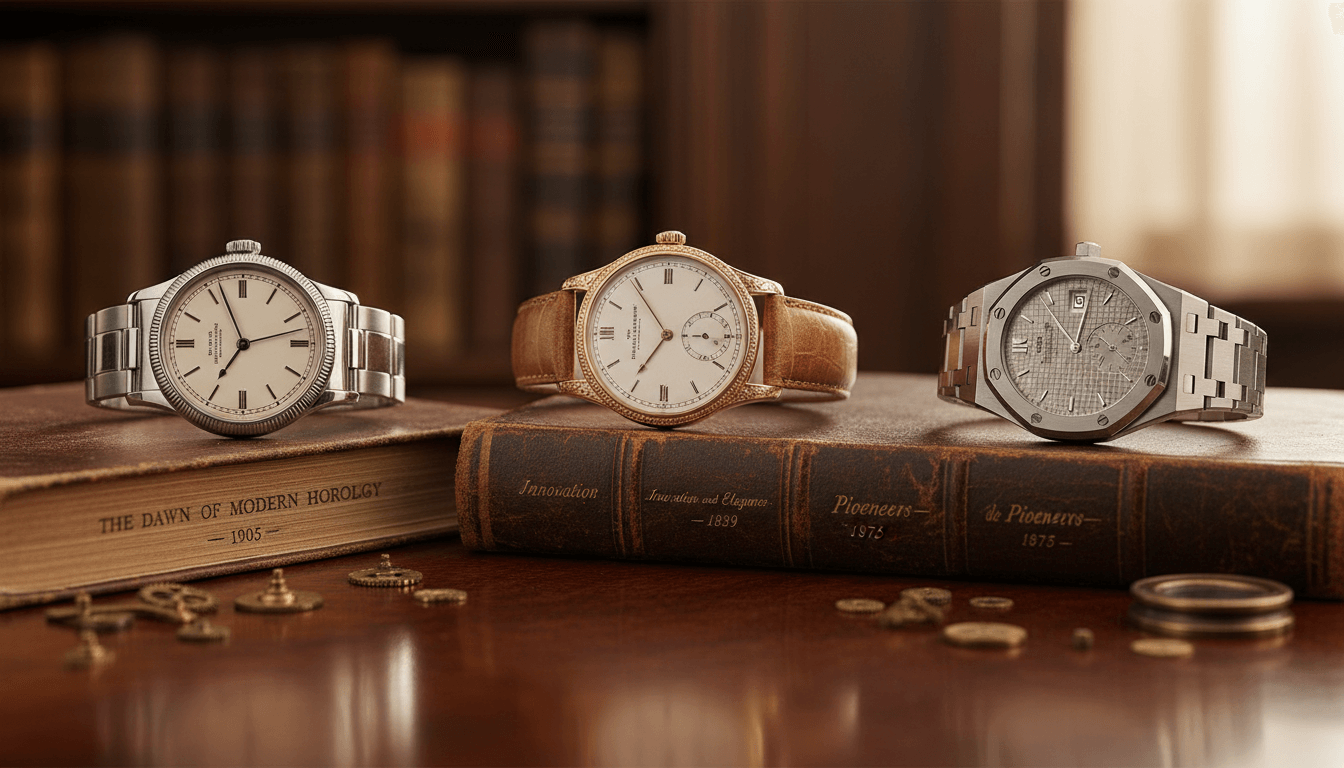
Luxury Watch Brand Heritage: Historical Foundations of Horological Excellence
This comprehensive analysis explores the heritage of three premier luxury watch brands—Rolex, Patek Philippe, and Audemars Piguet—founded in the mid-to-late 19th century. It delves into their pioneering contributions to modern watchmaking, from Rolex's Oyster case innovations to Patek Philippe's perpetual calendars and Audemars Piguet's Royalton revolution. The article examines key milestones, iconic models, and enduring legacies that define their significance in horological history, providing insights for collectors and enthusiasts on how heritage influences value and prestige in today's market.

Limited Edition and Special Collection Watches: Comprehensive Analysis of Ultra-Exclusive Horology
This in-depth examination explores the world of limited edition and special collection watches, representing the absolute pinnacle of luxury watchmaking innovation and design. These timepieces feature extreme limited production runs, often numbering fewer than 100 pieces globally, with unique complications and artistic designs that command extreme collector interest. We analyze the characteristics that make these watches highly collectible special editions, their technical innovations, and why they maintain extremely high collector value in both primary and secondary markets.