Patek Philippe Nautilus: The Definitive Guide to the Iconic Luxury Sports Watch
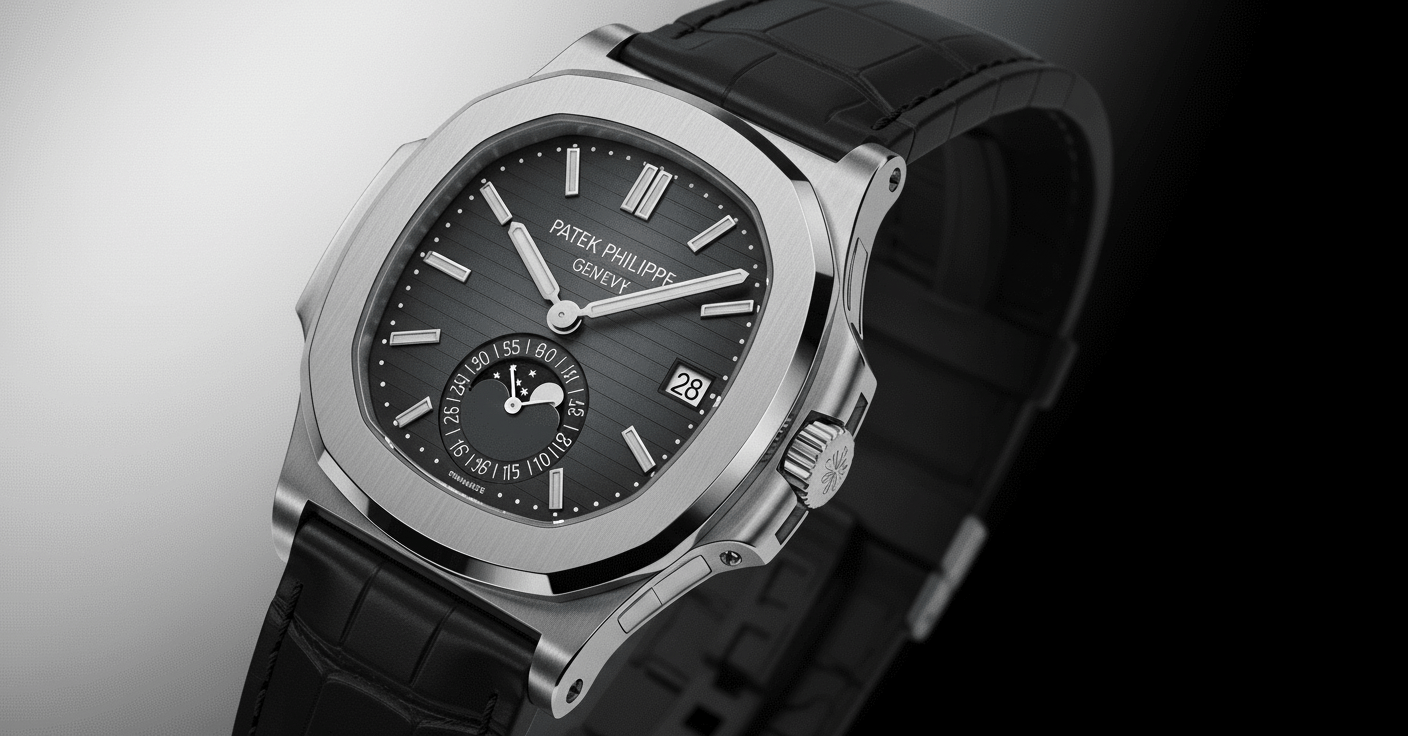
The Patek Philippe Nautilus represents one of the most significant luxury sports watch designs in horological history. First introduced in 1976 and designed by legendary watch designer Gérald Genta, the Nautilus combines sophisticated engineering with distinctive porthole-inspired aesthetics. With production limited to just 60,000-72,000 watches annually across all Patek Philippe models, the Nautilus maintains extraordinary collector demand and secondary market premiums. This comprehensive analysis examines the Nautilus's design evolution, market performance, technical specifications, and position within the competitive luxury watch landscape, providing essential insights for serious collectors and enthusiasts.
The Patek Philippe Nautilus stands as a pinnacle achievement in luxury watchmaking, representing the perfect fusion of sporty elegance and haute horology. Since its controversial debut in 1976 during the quartz crisis, the Nautilus has evolved from an unconventional design statement to one of the most coveted timepieces globally. Its distinctive porthole construction, integrated bracelet, and horizontal embossed dial pattern have become instantly recognizable symbols of sophisticated taste. With production volumes constrained within Patek Philippe's annual output of 60,000-72,000 watches across all models, the Nautilus maintains legendary status among collectors. This comprehensive analysis examines the Nautilus from multiple perspectives: its design heritage, technical evolution, market performance, and competitive positioning against contemporary luxury sports watches.
Design & Aesthetics
Advantages
- Iconic porthole case design with integrated bracelet
- Distinctive horizontal embossed dial patterns
- Perfect balance of sporty and dressy characteristics
- Superior finishing with both brushed and polished surfaces
- Timeless design that transcends fashion trends
Considerations
- Limited design variations may feel restrictive
- Integrated bracelet limits strap customization options
- Some models may appear too large or small for certain wrists
- Conservative design evolution over decades
Technical Specifications
- Case Material
- Stainless steel, rose gold, white gold, or two-tone
- Case Diameter
- 40mm to 42mm for current production models
- Water Resistance
- 120 meters (12 bar)
- Dial Variations
- Blue, white, black, green with horizontal embossing
- Bracelet Type
- Integrated stainless steel or precious metal
Technical Excellence
Advantages
- In-house manufactured movements with superior finishing
- Multiple complications available including annual calendar and travel time
- Robust construction with 120-meter water resistance
- Patek Philippe Seal ensuring highest quality standards
- Excellent power reserves ranging from 35 to 45 hours
Considerations
- Higher service costs compared to mainstream luxury brands
- Limited anti-magnetic protection in base models
- Movement visibility limited by solid casebacks in most models
- Complex servicing requirements for sophisticated complications
Technical Specifications
- Movement Type
- Automatic mechanical with central rotor
- Caliber Examples
- 26-330 SC (base), 240/164 (ultra-thin), 324 S C (date)
- Power Reserve
- 35-55 hours depending on model
- Frequency
- 28,800 vibrations per hour (4 Hz)
- Jewels
- 29 to 45 depending on complication
Market Performance & Collectibility
Advantages
- Exceptional value retention and appreciation potential
- Strong secondary market with global demand
- Limited production ensuring long-term scarcity
- High brand recognition and prestige factor
- Proven track record of outperforming financial markets
Considerations
- Extremely challenging to acquire at retail prices
- Significant premium required on secondary market
- Vulnerability to market fluctuations and economic conditions
- High risk of counterfeit and super-replica watches
- Insurance and security concerns due to high value
Technical Specifications
- Retail Availability
- Extremely limited with multi-year waiting lists
- Secondary Market Premium
- 100-400% over retail depending on model
- Production Volume
- Part of 60,000-72,000 annual Patek Philippe production
- Investment Performance
- Consistent appreciation, particularly for discontinued references
- Collector Demand
- Highest among luxury sports watch category
Model Comparison
| Model | Reference | Production Years | Current Market Value | Key Features |
|---|---|---|---|---|
| Nautilus 5711/1A | 5711/1A-010 | 2006-2021 | $120,000 - $150,000 | Time and date, blue dial, discontinued |
| Nautilus 5712/1A | 5712/1A-001 | 2006-Present | $95,000 - $130,000 | Moon phase, power reserve, date |
| Nautilus 5726/1A | 5726/1A-014 | 2010-Present | $85,000 - $110,000 | Annual calendar, moon phase |
| Nautilus 5990/1A | 5990/1A-001 | 2014-Present | $140,000 - $180,000 | Travel time, dual time zone, chronograph |
Final Verdict
The Patek Philippe Nautilus represents the apex of luxury sports watch design and market performance. Its iconic Gérald Genta design, exceptional craftsmanship, and limited production create a perfect storm of desirability that transcends typical watch collecting. While acquisition challenges and significant premiums present barriers to ownership, the Nautilus demonstrates unparalleled value retention and appreciation potential. For serious collectors, the Nautilus offers not just a timepiece but a wearable asset that combines horological excellence with investment-grade performance. When compared to competitors like the Audemars Piguet Royal Oak or Vacheron Constantin Overseas, the Nautilus maintains distinct advantages in brand prestige and long-term value stability. Ultimately, the Nautilus justifies its legendary status through consistent performance, timeless design, and unwavering collector demand that shows no signs of diminishing.
Tags
Related Articles
Rolex Oyster Perpetual: Comprehensive Analysis of Rolex's Iconic Entry-Level Timepiece
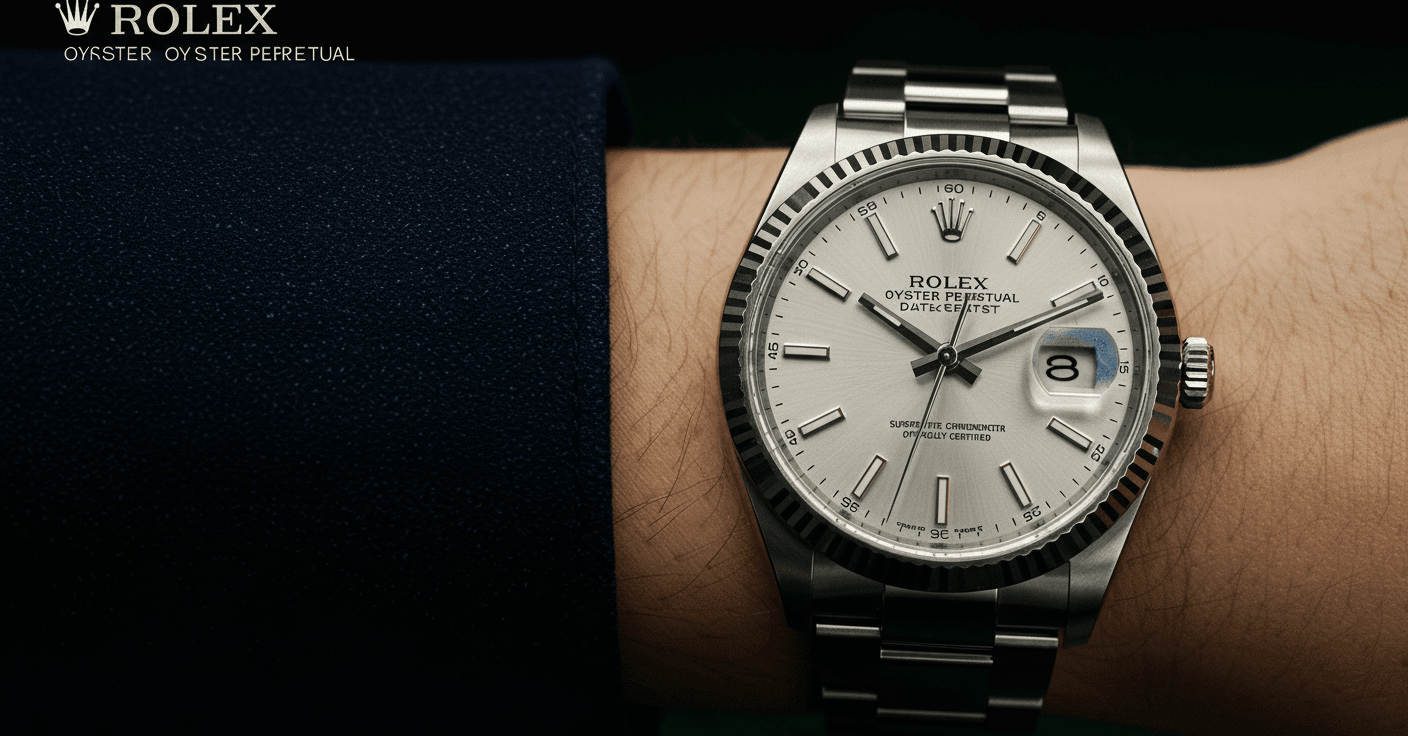
The Rolex Oyster Perpetual represents the purest expression of Rolex's watchmaking philosophy, featuring a time-only display housed in the brand's signature waterproof Oyster case. Powered by the automatic Perpetual movement and crafted from 904L-grade Oystersteel, this model serves as the most accessible entry point to Rolex ownership while maintaining the brand's legendary quality standards. With its versatile design that transitions seamlessly from casual to formal occasions, the Oyster Perpetual has become a benchmark in the luxury watch market, offering exceptional value and timeless aesthetics that appeal to both new collectors and seasoned horology enthusiasts.
Audemars Piguet Royal Oak: The Revolutionary Luxury Sports Watch
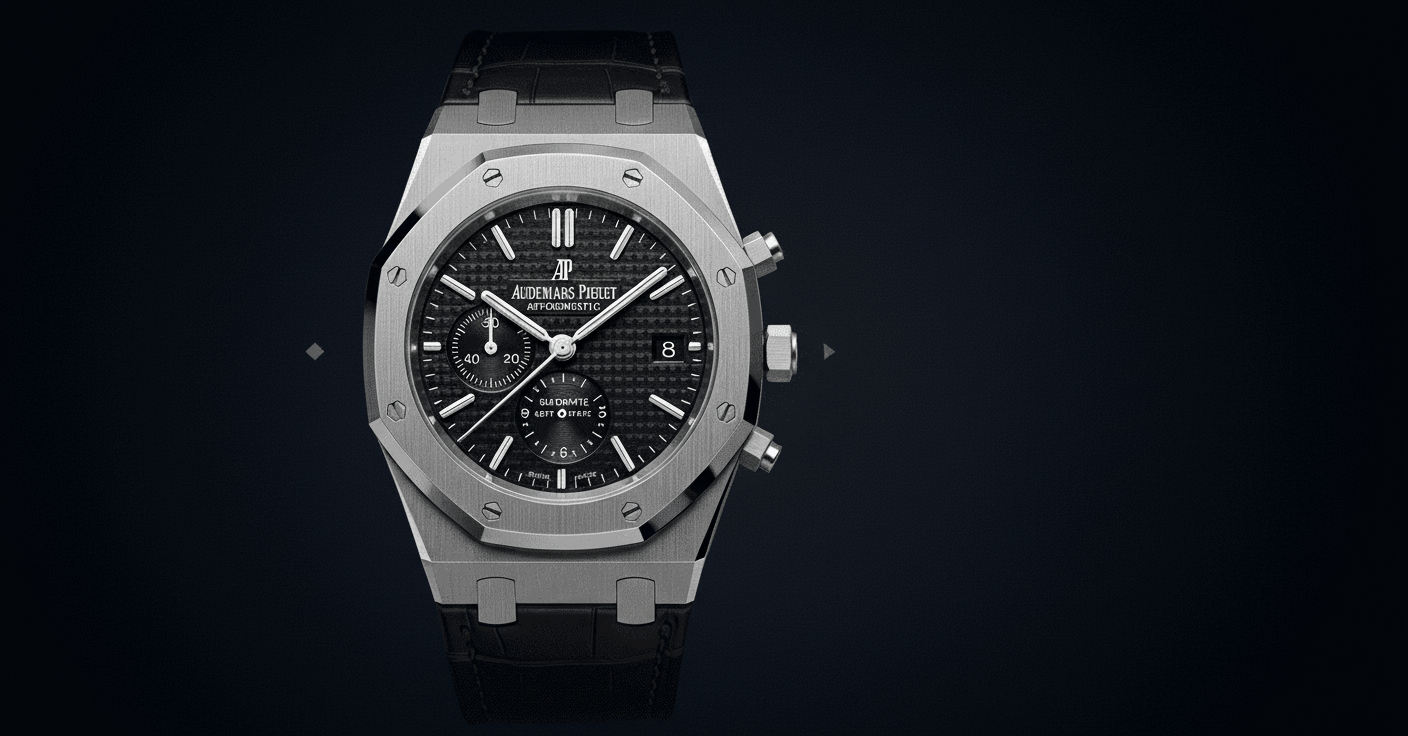
The Audemars Piguet Royal Oak, introduced in 1972, represents a landmark achievement in horological design. Conceived by legendary designer Gerald Genta, this timepiece features a distinctive octagonal bezel secured by eight hexagonal screws and an integrated bracelet that redefined the luxury sports watch category. With its revolutionary stainless steel construction commanding premium pricing and limited annual production of approximately 100,000 watches, the Royal Oak maintains exceptional value retention and collector desirability. This comprehensive analysis explores the watch's technical specifications, investment potential, and enduring legacy in the competitive luxury watch market.
The Holy Trinity of Watchmaking: Patek Philippe, Vacheron Constantin & Audemars Piguet Compared
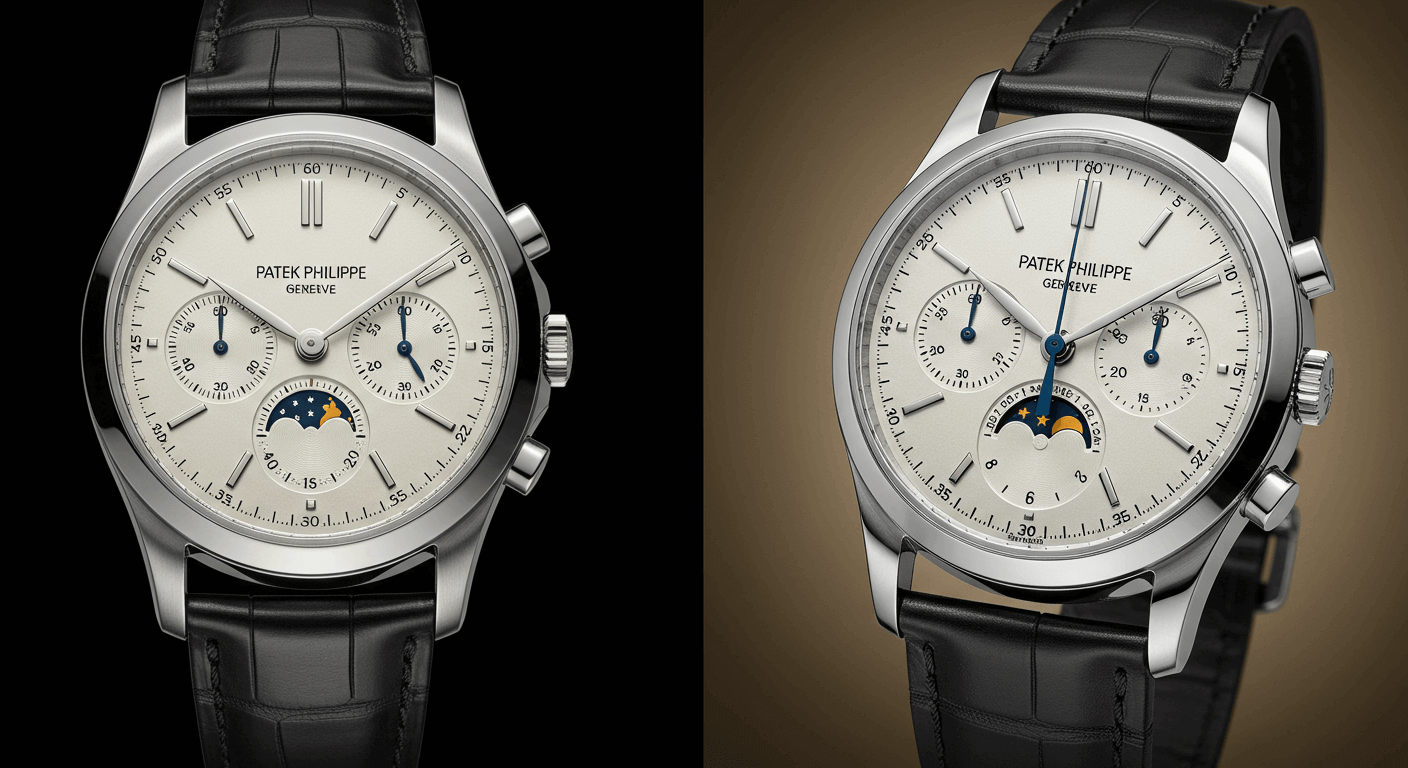
The Holy Trinity of watchmaking represents the pinnacle of horological excellence, comprising Patek Philippe, Vacheron Constantin, and Audemars Piguet. These three manufacturers define ultra-luxury timekeeping through exceptional craftsmanship, artistic mastery, and extreme exclusivity. With annual production volumes typically under 60,000 pieces combined and price points starting above $20,000, these brands represent the ultimate achievement in mechanical watchmaking. Each house maintains distinct philosophies while sharing uncompromising standards for quality, innovation, and heritage preservation that have defined luxury watchmaking for centuries.
Luxury Watch Pricing Strategy: A Comprehensive Analysis of Market Positioning and Value Propositions
This in-depth analysis examines the pricing strategies of top luxury watch brands, including Rolex, Audemars Piguet, and Patek Philippe, based on data from Raymond Lee Jewelers. Rolex employs a lower high-end pricing approach to balance accessibility and exclusivity, Audemars Piguet targets the mid-high end with avant-garde designs, and Patek Philippe commands ultra-high end pricing through heritage and craftsmanship. The article explores how these strategies influence market positioning, consumer perception, and long-term value, providing insights for collectors and investors.
Patek Philippe Aquanaut: Comprehensive Analysis of the Modern Sports Luxury Watch
The Patek Philippe Aquanaut represents the pinnacle of contemporary sports luxury timepieces, offering a sophisticated yet versatile alternative to traditional dress watches. Launched in 1997 as a more accessible and casual counterpart to the iconic Nautilus, the Aquanaut features distinctive design elements including its unique rounded octagonal case shape and textured 'tropical' composite straps. With its innovative materials, exceptional craftsmanship, and growing collector demand, the Aquanaut has established itself as one of the most sought-after modern watch collections in the luxury segment, particularly appealing to younger enthusiasts seeking both technical excellence and everyday wearability.
Patek Philippe Complications: Masterpieces of Mechanical Watchmaking Excellence
Patek Philippe Complications represent the pinnacle of haute horlogerie, showcasing the brand's unparalleled expertise in creating highly complex mechanical movements. These exceptional timepieces feature sophisticated complications including perpetual calendars that accurately track dates, months, and leap years without manual adjustment until 2100, and minute repeaters that chime the time on demand with crystal-clear acoustics. Targeted toward serious collectors and connoisseurs who appreciate mechanical artistry, these watches maintain their value as both functional instruments and investment-grade assets, embodying generations of Swiss watchmaking tradition and innovation.