Patek Philippe Aquanaut: Comprehensive Analysis of the Modern Sports Luxury Watch
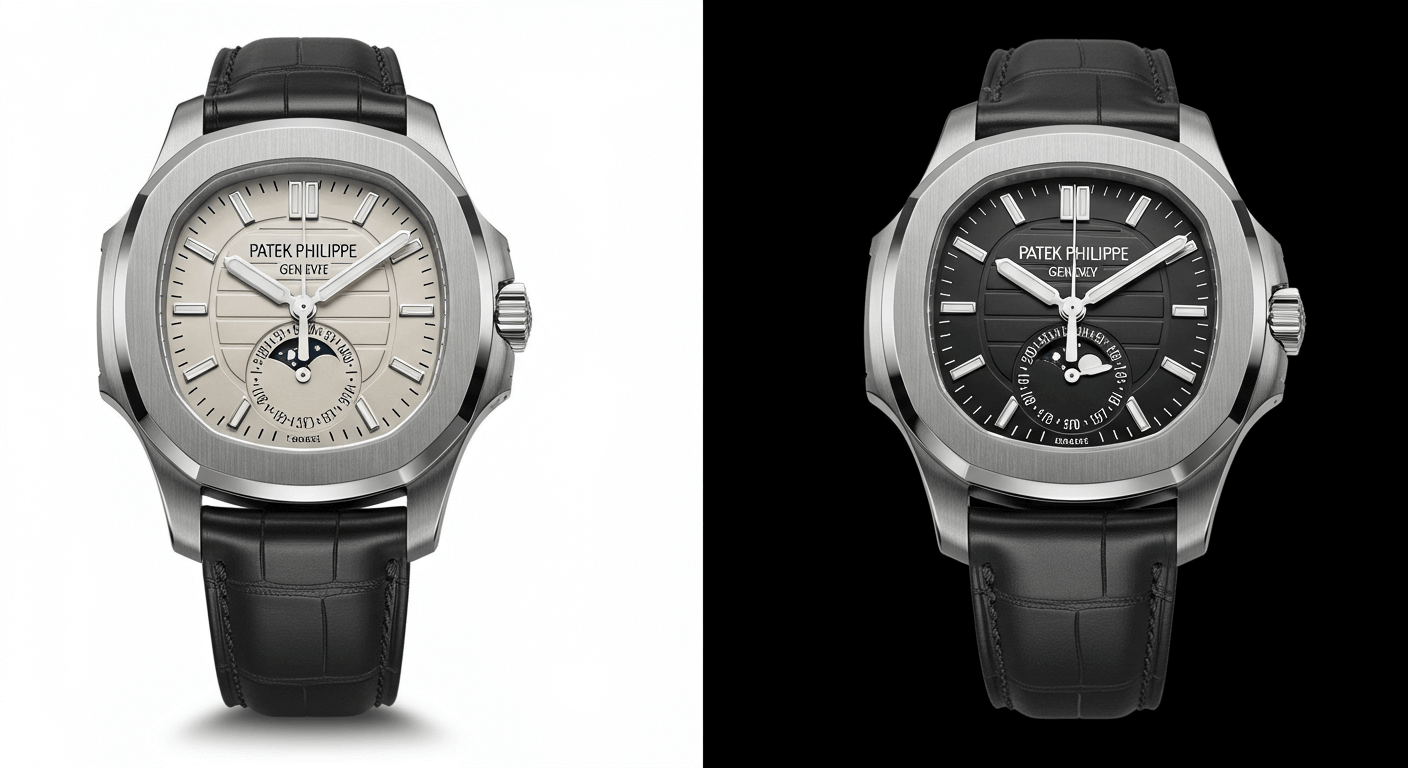
The Patek Philippe Aquanaut represents the pinnacle of contemporary sports luxury timepieces, offering a sophisticated yet versatile alternative to traditional dress watches. Launched in 1997 as a more accessible and casual counterpart to the iconic Nautilus, the Aquanaut features distinctive design elements including its unique rounded octagonal case shape and textured 'tropical' composite straps. With its innovative materials, exceptional craftsmanship, and growing collector demand, the Aquanaut has established itself as one of the most sought-after modern watch collections in the luxury segment, particularly appealing to younger enthusiasts seeking both technical excellence and everyday wearability.
The Patek Philippe Aquanaut represents a bold departure from traditional Swiss watchmaking while maintaining the brand's uncompromising standards of excellence. Introduced in 1997 as Patek Philippe's response to the growing demand for luxury sports watches, the Aquanaut collection has evolved into one of the most coveted contemporary timepiece families in the haute horlogerie world. Characterized by its innovative materials, distinctive design language, and versatile wearing experience, the Aquanaut occupies a unique position within Patek Philippe's portfolio as the brand's modern sports watch offering. This comprehensive analysis examines the Aquanaut's design philosophy, technical specifications, market positioning, and competitive standing within the luxury watch landscape, providing collectors and enthusiasts with detailed insights into what makes this timepiece both technically remarkable and commercially successful.
Design & Aesthetic Excellence
Advantages
- Distinctive rounded octagonal case design provides immediate visual recognition
- Innovative 'tropical' composite strap offers superior comfort and durability
- Textured dial patterns create dynamic light play and visual depth
- Perfect balance between sporty elegance and casual sophistication
- Excellent legibility with applied Arabic numerals and luminescent hands
Considerations
- Limited case size variations may not suit all wrist sizes
- Composite strap, while comfortable, lacks the prestige of metal bracelets
- Design may be too modern for traditional Patek Philippe purists
- Limited customization options compared to other luxury sports watches
Technical Specifications
- Case Material
- Stainless steel, rose gold, or white gold
- Case Diameter
- 40mm to 42.2mm depending on model
- Water Resistance
- 120 meters (12 bar)
- Dial Variations
- Black, blue, brown, or green with embossed pattern
- Crystal
- Sapphire with anti-reflective coating
Technical Innovation & Movement
Advantages
- In-house developed calibers with Patek Philippe Seal certification
- Advanced complications available including travel time and chronograph
- Superior finishing with Geneva stripes, anglage, and perlage
- Robust construction ensuring long-term reliability and accuracy
- Innovative materials including advanced composite cases and straps
Considerations
- Higher service costs compared to mass-produced luxury watches
- Limited availability of complicated models increases acquisition difficulty
- Movement decoration, while excellent, may not match highest hand-finishing standards
- Power reserve typically 35-45 hours, shorter than some competitors
Technical Specifications
- Movement Type
- Automatic mechanical
- Caliber Examples
- 324 S C, 26-330 S C, CH 28-520
- Power Reserve
- 35 to 55 hours depending on model
- Frequency
- 28,800 vibrations per hour (4 Hz)
- Jewels
- 29 to 45 depending on complication
- Certification
- Patek Philippe Seal
Market Position & Investment Value
Advantages
- Strong secondary market performance with consistent appreciation
- Growing collector demand particularly among younger enthusiasts
- Limited production ensures exclusivity and brand prestige
- Proven track record of value retention and growth
- Established position within Patek Philippe's core collection
Considerations
- Significant premium over retail price in secondary market
- Limited availability with multi-year waitlists at authorized dealers
- High entry price point restricts accessibility for many collectors
- Market volatility could affect short-term investment returns
Technical Specifications
- Retail Price Range
- $20,000 to $70,000+
- Secondary Market Premium
- 50% to 200% over retail
- Production Volume
- Limited, estimated 5,000-8,000 units annually
- Wait Time
- 2-5 years at authorized dealers
- Investment Growth
- 15-25% annual appreciation historically
Model Comparison
| Model | Case Material | Diameter | Movement | Retail Price | Market Position |
|---|---|---|---|---|---|
| Aquanaut 5167A | Stainless Steel | 40mm | Caliber 324 S C | $21,000 | Entry-level luxury sports |
| Aquanaut 5168G | White Gold | 42.2mm | Caliber 26-330 S C | $35,000 | Mid-range luxury |
| Aquanaut Travel Time 5164A | Stainless Steel | 40mm | Caliber 324 S C FUS | $45,000 | Complication-focused |
| Aquanaut Chronograph 5968G | White Gold | 42.2mm | Caliber CH 28-520 | $68,000 | High-complication luxury |
Final Verdict
The Patek Philippe Aquanaut stands as a remarkable achievement in modern watchmaking, successfully bridging the gap between traditional haute horlogerie and contemporary sports luxury. Its distinctive design language, innovative material usage, and exceptional craftsmanship position it as a compelling alternative to both the brand's own Nautilus and competing luxury sports watches. While the Aquanaut faces challenges in terms of availability and secondary market premiums, its strong investment potential, growing collector appeal, and versatile wearing experience make it an outstanding choice for discerning watch enthusiasts. For collectors seeking a modern luxury sports watch with proven value retention, technical excellence, and distinctive aesthetic character, the Aquanaut represents one of the most compelling propositions in the current market. Its position within Patek Philippe's younger, more casual collection, as noted in the source data from Jaztime, perfectly captures its appeal to a new generation of watch collectors while maintaining the brand's uncompromising standards of quality and craftsmanship.
Tags
Related Articles
Patek Philippe Complications: Masterpieces of Mechanical Watchmaking Excellence
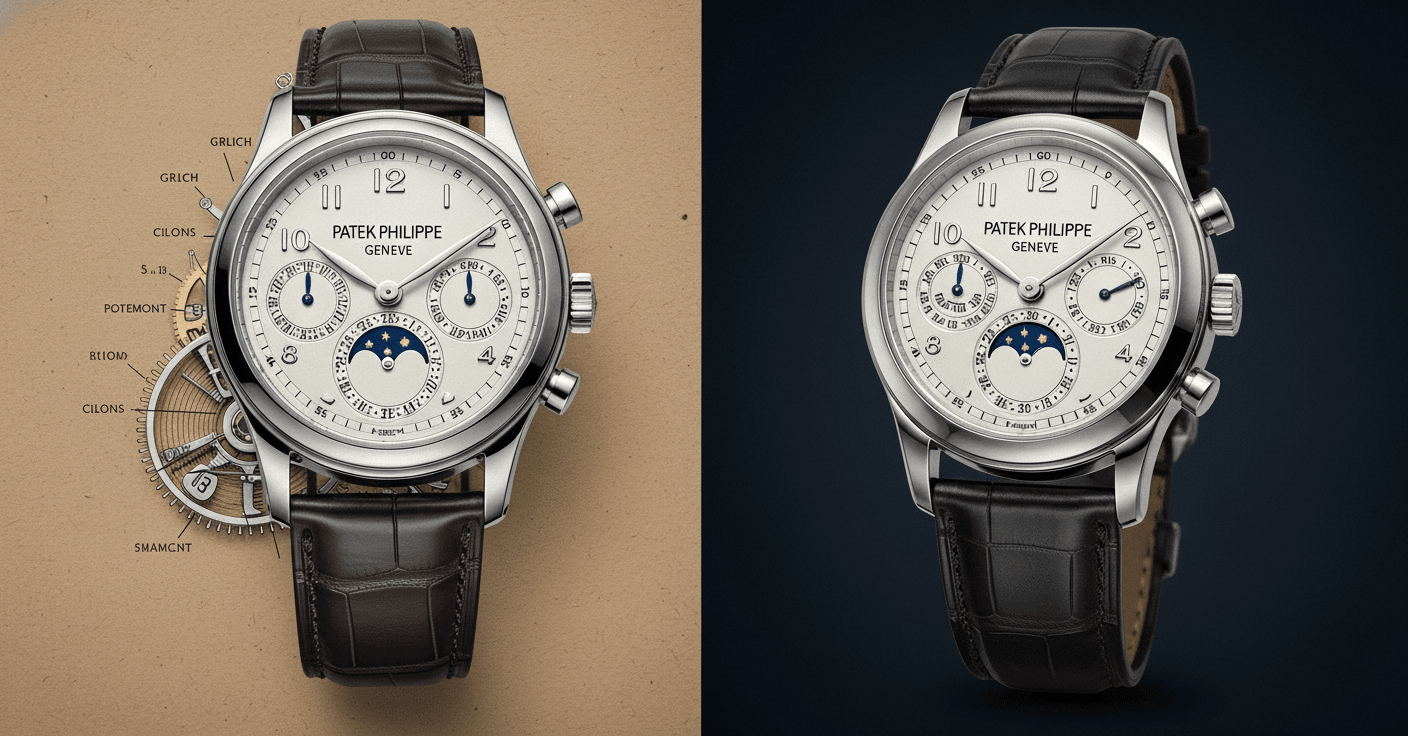
Patek Philippe Complications represent the pinnacle of haute horlogerie, showcasing the brand's unparalleled expertise in creating highly complex mechanical movements. These exceptional timepieces feature sophisticated complications including perpetual calendars that accurately track dates, months, and leap years without manual adjustment until 2100, and minute repeaters that chime the time on demand with crystal-clear acoustics. Targeted toward serious collectors and connoisseurs who appreciate mechanical artistry, these watches maintain their value as both functional instruments and investment-grade assets, embodying generations of Swiss watchmaking tradition and innovation.
Luxury Watch Production Volumes: Analyzing Manufacturing Scale and Exclusivity
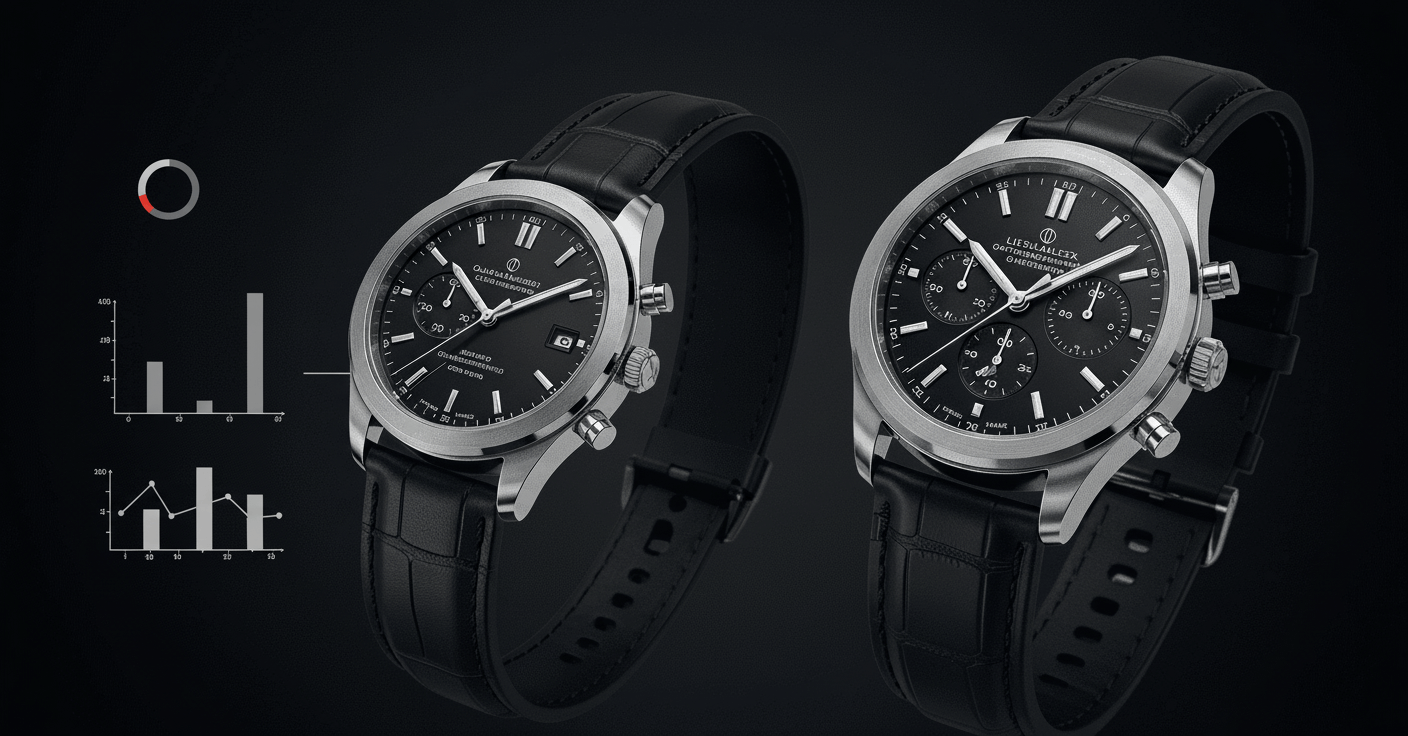
This detailed comparison examines annual production volumes across leading luxury watch brands, revealing strategic manufacturing approaches that balance craftsmanship with market positioning. Rolex leads with approximately 1.1 million watches annually, demonstrating industrial-scale precision manufacturing while maintaining premium quality. Audemars Piguet operates in the 50,000-100,000 unit range, balancing accessibility with exclusivity through selective distribution. Patek Philippe maintains the most restricted output at 60,000-72,000 pieces, leveraging scarcity to enhance brand prestige and collector value. These production figures directly influence availability, pricing strategies, and long-term investment potential within the luxury timepiece market.
Patek Philippe Calatrava 6119R: The Ultimate Dress Watch Analysis
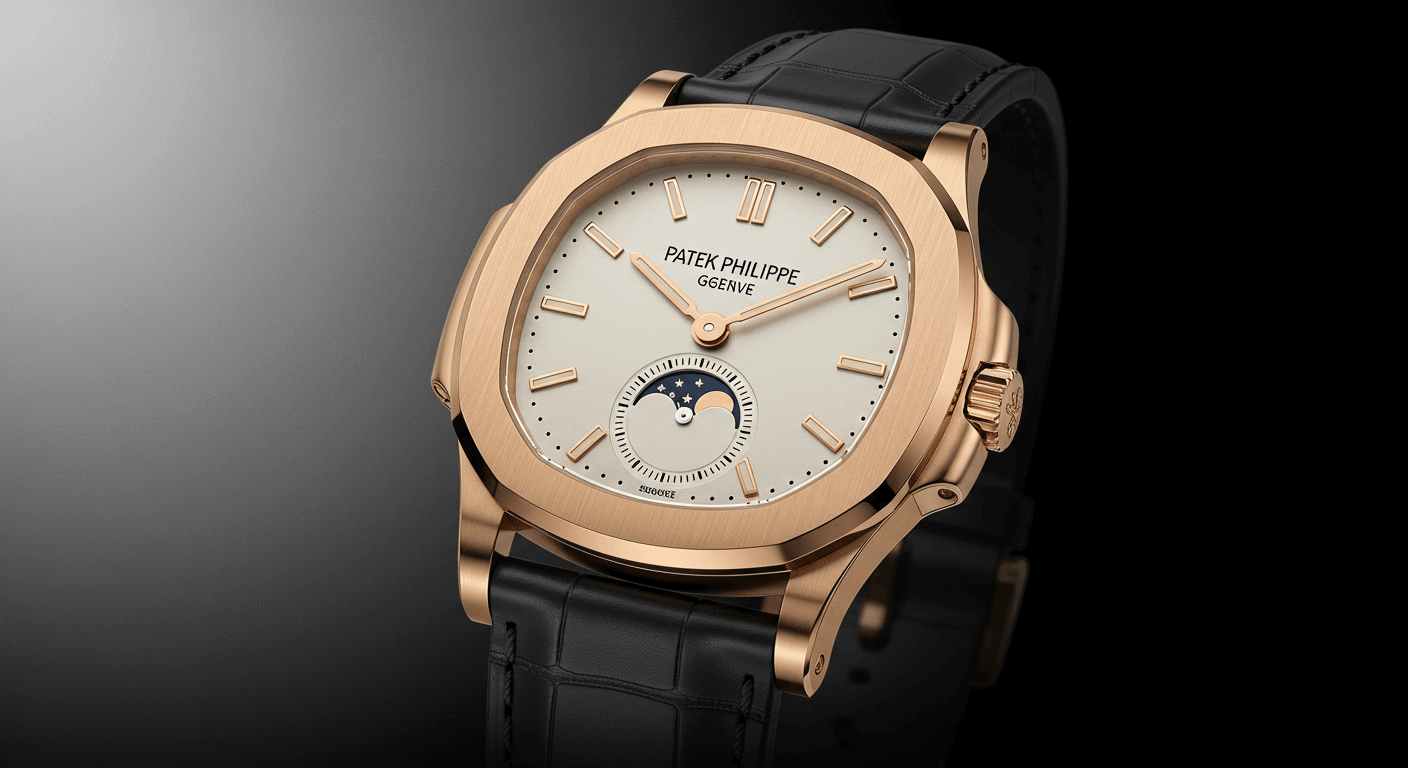
The Patek Philippe Calatrava 6119R in rose gold represents horological perfection with its classic 39mm case, elegant hobnail-pattern bezel, and sophisticated small seconds complication. Housing the ultra-thin Caliber 30‑255 PS manual-wind movement with a 65-hour power reserve, this timepiece exemplifies Swiss watchmaking excellence through its impeccable finishing, superior materials, and timeless aesthetic that transcends fleeting trends. As the quintessential dress watch, it maintains Patek Philippe's legacy of creating heirloom-quality instruments that balance technical precision with understated luxury.
Luxury Watch Materials Innovation: Advanced Metals and Technical Differentiation
This comprehensive analysis explores how leading luxury watch manufacturers leverage material science to achieve technical superiority and aesthetic distinction. Examining Rolex's proprietary 904L Oystersteel and Audemars Piguet's pioneering use of forged carbon and ceramics, we detail how these innovations enhance durability, corrosion resistance, and visual appeal. The article reveals how material selection directly impacts performance metrics, manufacturing complexity, and brand positioning within the competitive luxury watch landscape, providing collectors and enthusiasts with crucial insights for informed acquisition decisions.
Luxury Watch Design Philosophy: From Rolex's Practical Tools to Patek Philippe's Artistic Elegance
This comprehensive analysis explores the distinct design philosophies of luxury watch brands, examining how Rolex champions practical, durable tool watches with iconic models like the Submariner and Daytona, while Patek Philippe embodies timeless elegance through intricate complications and hand-finishing. Audemars Piguet breaks conventions with avant-garde designs like the Royal Oak, blending sportiness with haute horlogerie. The spectrum spans from functional reliability to artistic mastery, reflecting brand heritage, target demographics, and technical innovation in haute horology.

Rolex Tudor Relationship: In-Depth Analysis of Sister Brands
Tudor serves as Rolex's strategic sister brand, offering more accessible luxury timepieces while maintaining Rolex's design DNA and quality standards. Founded by Hans Wilsdorf in 1926, Tudor provides entry-level luxury watches with prices typically 40-60% lower than comparable Rolex models. While sharing design language and manufacturing expertise, Tudor establishes its own identity through in-house movements and contemporary styling. This relationship allows the brands to capture different market segments while maintaining the prestige associated with the Rolex name.