Rolex Daytona Investment Analysis: A Comprehensive Guide to Value Appreciation
The Rolex Daytona stands as one of the most coveted chronographs in horological history, combining motorsport heritage with exceptional investment performance. Since its 1963 introduction, the Daytona has demonstrated remarkable value appreciation, particularly vintage models associated with Paul Newman. With a 358% appreciation rate since 2010 and auction records reaching $17.8 million, the Daytona represents a sophisticated alternative asset class. This analysis examines the factors driving its market performance, key reference values, and strategic acquisition approaches for collectors and investors seeking luxury watch portfolio diversification.

The Rolex Cosmograph Daytona represents the pinnacle of chronograph watchmaking and investment potential within the luxury timepiece market. First introduced in 1963, this iconic model has transcended its functional origins to become a cultural artifact and sophisticated investment vehicle. The Daytona's extraordinary market performance, particularly exemplified by the $17.8 million auction of Paul Newman's personal reference 6239 in 2017, demonstrates the model's exceptional capacity for value preservation and appreciation. This comprehensive analysis examines the Daytona's investment thesis through multiple lenses: historical context, market dynamics, reference-specific valuation factors, and strategic acquisition approaches. With a documented 358% appreciation rate since 2010 and current market values for vintage references averaging $250,000, understanding the Daytona's investment landscape requires careful examination of both quantitative metrics and qualitative factors that drive collector demand.
Historical Context and Cultural Significance
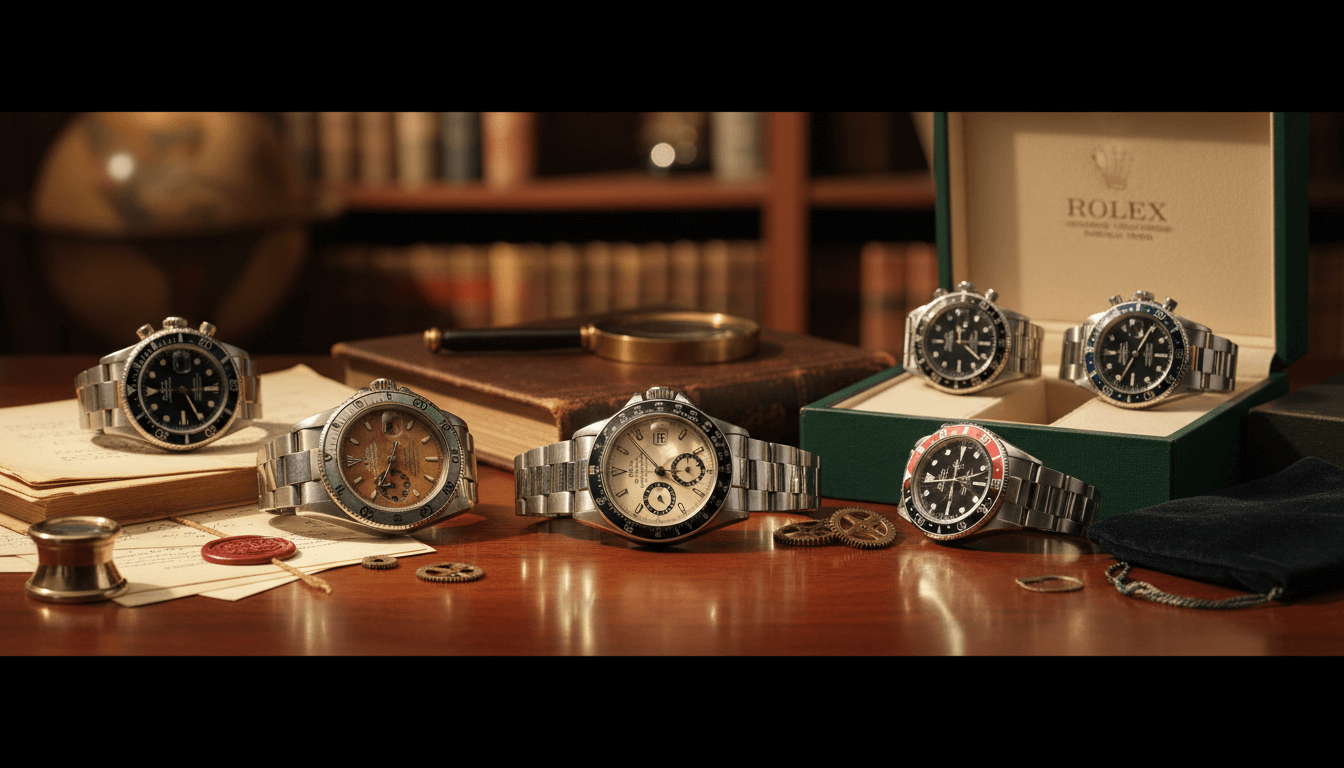
The Rolex Daytona's investment appeal is deeply rooted in its historical narrative and cultural resonance. Originally developed for professional racing drivers, the Daytona's introduction in 1963 coincided with the golden age of motorsports. The model's name pays direct homage to Daytona International Speedway, establishing an immediate connection to racing heritage that remains central to its identity. However, the most significant cultural catalyst emerged through actor and racing enthusiast Paul Newman, whose personal Daytona reference 6239 became the most expensive wristwatch ever sold at auction. This singular event transformed the Daytona from a specialized tool watch into a global cultural icon. The 'Paul Newman' Daytona configuration—characterized by its Art Deco-style subsidiary dials, exotic pancake registers, and contrasting minute track—has become the benchmark for vintage Rolex collecting. Beyond the Newman association, the Daytona's evolution through reference generations tells a compelling story of technical innovation and design refinement. Early references featured manually-wound Valjoux movements before transitioning to Rolex's in-house automatic calibers in 1988, creating distinct collecting categories that appeal to different investor profiles.
Market Performance Analysis and Investment Metrics
Quantitative analysis reveals the Daytona's exceptional performance as an alternative asset class. According to comprehensive market data from Luxury Watches USA and global auction records, the Daytona has achieved a remarkable 358% appreciation rate since 2010, significantly outpacing traditional financial indices and many other luxury assets. Current market valuations for vintage references consistently command approximately $250,000, with premium examples and rare configurations exceeding $500,000. The secondary market demonstrates remarkable resilience during economic fluctuations, with Daytona values showing lower volatility compared to other collectible categories. Auction performance metrics indicate consistent over-achievement relative to pre-sale estimates, particularly for well-preserved examples with documented provenance. The $17.8 million realization for Paul Newman's personal Daytona established a new benchmark for wristwatch valuations, but even standard production models from the 1960s and 1970s have demonstrated compound annual growth rates exceeding 15% over the past decade. Market depth remains substantial, with transaction volume supporting liquidity uncommon in comparable luxury collectibles. Analysis of sales data reveals particular strength in references 6263, 6265, and early Zenith-powered 16520 models, each representing distinct technological eras with specialized collector followings.
Reference-Specific Valuation Factors
Understanding Daytona valuation requires granular analysis of reference-specific characteristics that significantly impact market positioning. Pre-Daytona references 6234 and 6238 establish the model's foundational design language but represent a distinct collecting category from official Daytona-branded models. The reference 6239, particularly in 'Paul Newman' configuration, represents the absolute pinnacle of vintage Daytona collecting, with values ranging from $300,000 to over $1 million depending on condition and provenance. References 6262 and 6264 introduced screw-down pushers, enhancing water resistance and creating a more robust sporting character. The reference 6263 and 6265, produced from approximately 1970 to 1987, represent the final evolution of the manual-wound Daytona and command premiums for well-preserved examples with original components. The 1988 introduction of reference 16520 marked the transition to automatic movements using modified Zenith El Primero calibers, creating a new collecting category that bridges vintage and modern characteristics. Contemporary references, particularly ceramic bezel models 116500LN and precious metal variations, demonstrate strong retention values and gradual appreciation, though at more moderate rates than vintage counterparts. Beyond reference designation, critical valuation factors include dial originality, case condition, movement matching, bracelet authenticity, and service history documentation.
Strategic Acquisition and Portfolio Integration
Successful Daytona investment requires strategic acquisition approaches aligned with individual collector profiles and investment horizons. For long-term capital appreciation, vintage references with documented provenance, original components, and minimal restoration represent the optimal allocation. Entry-level vintage acquisition typically begins in the $150,000-$200,000 range for honest, serviced examples of references 6263 or 6265 with period-correct components. Intermediate collectors should prioritize examples with box, papers, and verifiable service history, recognizing that complete sets typically command 15-25% premiums at resale. Contemporary collectors seeking immediate wearability with moderate appreciation potential should focus on discontinued modern references like the 116520 or limited production models like the 116506 platinum Daytona with ice blue dial. Geographic acquisition strategy should consider regional market variations, with European and Asian markets sometimes offering pricing advantages for specific references. Portfolio diversification within the Daytona category might include representation across multiple eras—vintage manual-wound, transitional Zenith automatic, and contemporary in-house caliber models—to mitigate concentration risk. Professional authentication and condition assessment represent essential due diligence steps, with reputable auction houses and established dealers providing verification services that protect against counterfeit and improperly restored examples.
Market Trends and Future Outlook
Current market dynamics indicate sustained strength for premium Daytona references, though with evolving collector preferences and emerging opportunities. The unprecedented growth since 2010 has established a new valuation baseline, with market maturity reducing volatility while maintaining appreciation potential. Emerging trends include increased interest in tropical and spider dial variants, which demonstrate the natural aging characteristics prized by advanced collectors. The market for 'birth year' Daytonas continues to expand, particularly for 1980s automatic references appealing to collectors entering their peak acquisition years. Future market drivers will likely include continued globalization of collecting, particularly growing demand from Asian markets, and generational transfer of significant collections. Technological factors, including blockchain-based provenance tracking and digital authentication, may enhance market transparency and liquidity. While the $17.8 million Paul Newman record represents an exceptional circumstance unlikely to be replicated in the near term, the fundamental supply-demand imbalance for premium vintage Daytonas suggests continued appreciation, though potentially at more moderate rates than the explosive growth of the past decade. Contemporary ceramic bezel models demonstrate strong retention values, though their production volumes create different market dynamics than vintage counterparts.
Key Takeaways
- 1The Rolex Daytona has delivered 358% appreciation since 2010, significantly outperforming traditional investments
- 2Vintage references command approximately $250,000 market values, with premium examples exceeding $500,000
- 3Paul Newman's personal Daytona established the $17.8 million wristwatch auction record in 2017
- 4Critical valuation factors include reference rarity, condition originality, and documented provenance
- 5Strategic acquisition requires professional authentication and understanding of reference-specific market dynamics
Frequently Asked Questions
What makes the Rolex Daytona such a strong investment compared to other luxury watches?
The Daytona combines multiple investment strengths: limited production across all generations, strong brand recognition, cultural significance through racing heritage and Paul Newman association, technical innovation history, and consistent demand across global markets. The documented 358% appreciation since 2010 demonstrates its exceptional performance relative to other luxury watches and traditional investments.
Which specific Rolex Daytona references offer the best investment potential?
Vintage references 6239 (particularly Paul Newman dials), 6263, and 6265 demonstrate the strongest historical appreciation, though contemporary ceramic bezel models 116500LN show excellent retention values. The optimal reference depends on investment horizon and budget, with vintage models offering higher potential returns but requiring greater expertise, while modern references provide more predictable, moderate appreciation with immediate wearability.
How important is condition and originality when investing in vintage Daytona models?
Condition and originality are paramount for vintage Daytona investment value. Original dials, hands, bezels, and cases without significant polishing can command 50-100% premiums over restored examples. Complete sets with boxes, papers, and service history documentation further enhance value. Professional authentication is essential to verify originality and avoid counterfeit or improperly assembled examples.
What is the current market outlook for Rolex Daytona investments?
The Daytona market shows continued strength with moderate appreciation expectations following the explosive growth of 2010-2020. Vintage references remain in constrained supply with stable demand, while contemporary models benefit from retail price increases and waiting lists. The fundamental supply-demand imbalance suggests sustained value preservation with selective appreciation opportunities, particularly for premium condition examples with documented provenance.
How does the Paul Newman Daytona association impact broader Daytona values?
The Paul Newman association created a cultural phenomenon that elevated the entire Daytona model family's desirability and investment profile. While Newman's personal watch achieved $17.8 million, the association boosted values across all vintage Daytona references, particularly those with 'exotic' dial configurations. This cultural significance continues to drive collector interest and represents a unique qualitative factor distinguishing the Daytona from other chronographs.
Conclusion
The Rolex Daytona represents a sophisticated intersection of horological artistry, cultural significance, and investment performance that few luxury assets can match. With documented appreciation of 358% since 2010 and auction records reaching $17.8 million, the Daytona has established itself as a serious alternative asset class with demonstrated resilience across market cycles. Successful Daytona investment requires understanding reference-specific dynamics, condition importance, and market timing, but offers the potential for both financial returns and personal enjoyment. As the global collector base continues to expand and provenance documentation becomes increasingly sophisticated, the Daytona's position as a blue-chip horological investment appears secure. Whether pursuing vintage references for maximum appreciation potential or contemporary models for balanced portfolio integration, the Daytona remains the benchmark against which other luxury watch investments are measured.