Luxury Watch Production Volumes: Analyzing Manufacturing Scale and Exclusivity
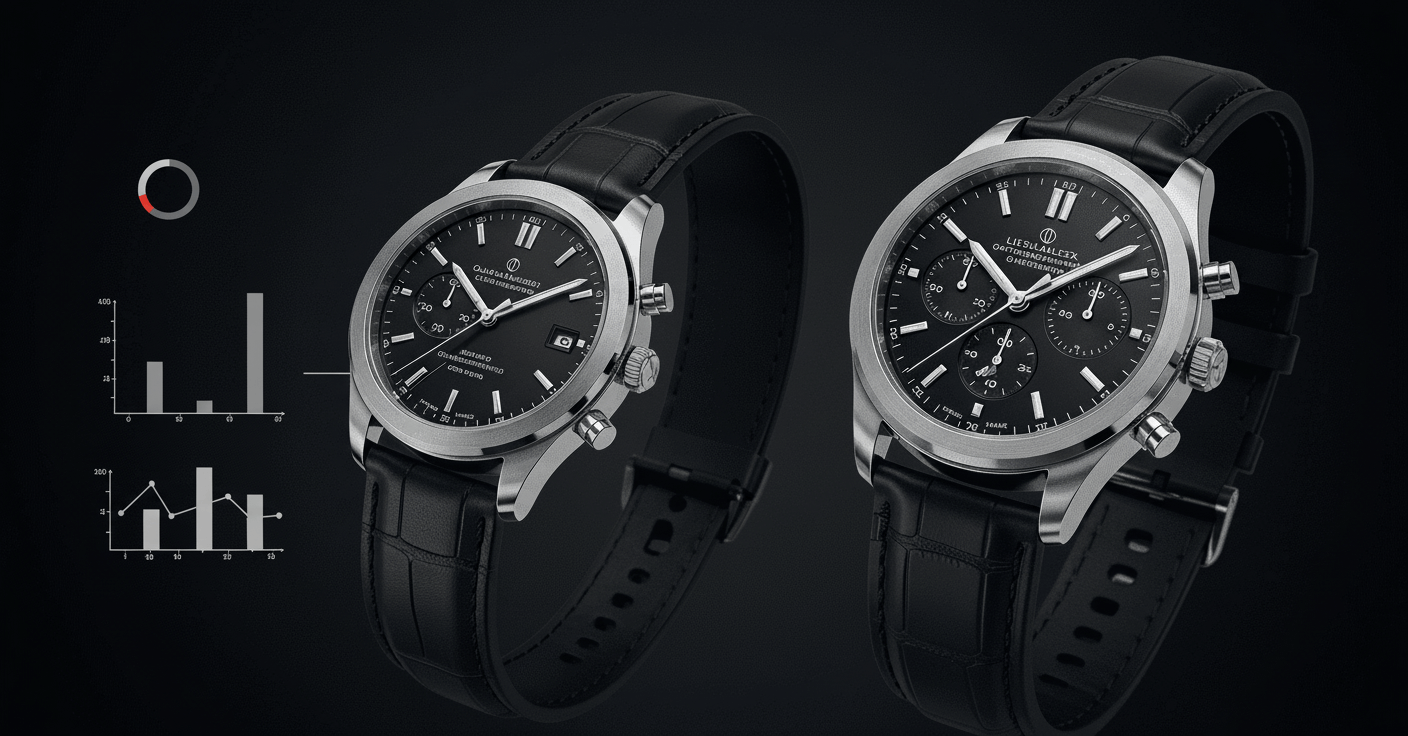
This detailed comparison examines annual production volumes across leading luxury watch brands, revealing strategic manufacturing approaches that balance craftsmanship with market positioning. Rolex leads with approximately 1.1 million watches annually, demonstrating industrial-scale precision manufacturing while maintaining premium quality. Audemars Piguet operates in the 50,000-100,000 unit range, balancing accessibility with exclusivity through selective distribution. Patek Philippe maintains the most restricted output at 60,000-72,000 pieces, leveraging scarcity to enhance brand prestige and collector value. These production figures directly influence availability, pricing strategies, and long-term investment potential within the luxury timepiece market.
The luxury watch industry operates on a delicate balance between manufacturing volume and perceived exclusivity, where production numbers serve as critical indicators of brand positioning, market strategy, and collector appeal. While mass-market timepieces measure production in millions, true luxury manufacturers carefully calibrate output to maintain desirability, price integrity, and craftsmanship standards. This comprehensive analysis examines the production methodologies and strategic approaches of three iconic watchmakers—Rolex, Patek Philippe, and Audemars Piguet—revealing how their manufacturing volumes shape market dynamics, investment potential, and brand perception. Understanding these production philosophies provides essential insights for collectors, investors, and enthusiasts navigating the complex landscape of high-end horology.
Rolex Manufacturing Scale
Advantages
- Industrial manufacturing efficiency ensures consistent quality control across all models
- Higher production volumes increase accessibility while maintaining premium positioning
- Robust after-sales service network supported by standardized parts availability
- Strong secondary market liquidity due to widespread recognition and demand
- Continuous innovation in manufacturing technology and materials science
Considerations
- Limited edition models still face significant waiting lists despite high production
- Perceived as less exclusive compared to ultra-limited manufacturers
- Higher production can occasionally lead to quality consistency challenges
- Mass-market appeal may dilute brand exclusivity for some purists
- Distribution controls create artificial scarcity despite substantial manufacturing capacity
Technical Specifications
- Annual Production
- ~1,100,000 watches
- Manufacturing Facilities
- 4 state-of-the-art production sites in Switzerland
- Employees
- ~7,000 skilled watchmakers and technicians
- Quality Control
- Multi-stage testing including chronometer certification for every movement
- Market Coverage
- Global distribution through authorized dealers in 100+ countries
Patek Philippe Exclusivity Strategy
Advantages
- Ultra-limited production enhances collector value and investment potential
- Hand-finishing and traditional craftsmanship maintained across entire collection
- Strict distribution controls preserve brand exclusivity and price integrity
- Multi-generational ownership philosophy reinforces long-term value proposition
- Complications and grand complications represent horological pinnacle achievements
Considerations
- Extremely limited availability creates multi-year waiting lists for popular models
- Premium pricing places ownership beyond reach for most enthusiasts
- Service and maintenance requires specialized expertise and extended timelines
- Secondary market premiums can exceed 300% of retail for sought-after references
- Conservative design evolution may lack appeal for contemporary collectors
Technical Specifications
- Annual Production
- 60,000-72,000 watches
- Craftsmanship Standard
- Patek Philippe Seal exceeding Geneva Seal requirements
- Complication Production
- ~15% of annual output dedicated to grand complications
- Manufacturing Timeline
- 9-12 months for standard models, up to 8 years for grand complications
- Distribution Network
- Highly selective global boutiques and authorized retailers
Audemars Piguet Balanced Approach
Advantages
- Strategic production volume balances exclusivity with market presence
- Iconic Royal Oak design maintains strong brand recognition and desirability
- Innovative materials and contemporary designs attract younger collector demographic
- Flexible manufacturing allows for special editions and collaborative projects
- Strong brand community and cultural relevance beyond traditional watch circles
Considerations
- Production fluctuations can create market uncertainty and price volatility
- Royal Oak dominance may overshadow other collections in brand portfolio
- Limited production of complications compared to traditional manufactures
- Distribution strategy evolving between boutiques and retail partnerships
- Secondary market sensitivity to economic conditions and fashion trends
Technical Specifications
- Annual Production
- 50,000-100,000 watches
- Royal Oak Percentage
- Approximately 70% of total production volume
- Manufacturing Flexibility
- Adaptable production lines for limited editions and special projects
- Complication Distribution
- 20% of output dedicated to complex mechanical watches
- Boutique Strategy
- Expanding direct-to-consumer presence through AP Houses globally
Model Comparison
| Brand | Annual Production | Production Philosophy | Market Positioning | Investment Grade | Accessibility |
|---|---|---|---|---|---|
| Rolex | ~1,100,000 | Industrial precision manufacturing with premium quality control | Aspirational luxury with broad market appeal | High liquidity with steady appreciation | Moderate waiting periods for steel sports models |
| Patek Philippe | 60,000-72,000 | Ultra-exclusive craftsmanship preserving traditional watchmaking | Ultra-luxury heritage with multi-generational appeal | Exceptional long-term value preservation | Extremely limited with multi-year waitlists |
| Audemars Piguet | 50,000-100,000 | Balanced production emphasizing iconic design and innovation | Contemporary luxury with strong design identity | Strong performance with fashion sensitivity | Selective availability through boutique network |
Final Verdict
The production volume hierarchy clearly demonstrates three distinct approaches to luxury watch manufacturing, each with compelling strengths for different collector profiles. Rolex's industrial-scale production of approximately 1.1 million watches annually represents the pinnacle of precision manufacturing, offering exceptional quality consistency, robust service networks, and strong secondary market liquidity—ideal for enthusiasts seeking reliable luxury timepieces with proven investment potential. Patek Philippe's meticulously limited output of 60,000-72,000 pieces exemplifies ultra-exclusive craftsmanship, delivering unparalleled horological artistry and multi-generational value preservation for collectors prioritizing heritage and long-term appreciation. Audemars Piguet's flexible production range of 50,000-100,000 watches strikes an effective balance between exclusivity and market presence, combining iconic design with contemporary relevance for collectors seeking both horological substance and cultural cachet. Ultimately, the optimal choice depends on individual priorities: Rolex for manufacturing excellence and accessibility, Patek Philippe for ultimate exclusivity and heritage, or Audemars Piguet for design innovation and balanced collectibility.
Tags
Related Articles
Patek Philippe Calatrava 6119R: The Ultimate Dress Watch Analysis
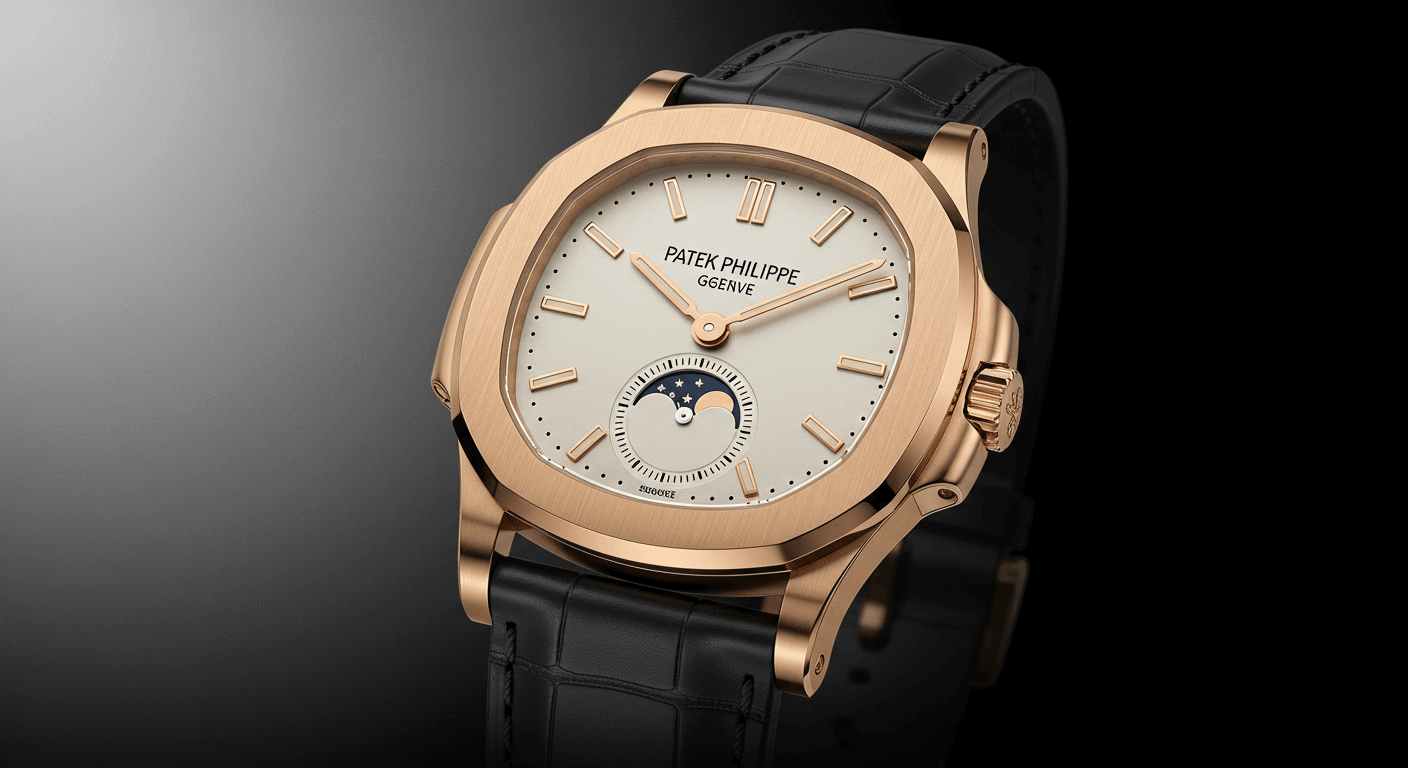
The Patek Philippe Calatrava 6119R in rose gold represents horological perfection with its classic 39mm case, elegant hobnail-pattern bezel, and sophisticated small seconds complication. Housing the ultra-thin Caliber 30‑255 PS manual-wind movement with a 65-hour power reserve, this timepiece exemplifies Swiss watchmaking excellence through its impeccable finishing, superior materials, and timeless aesthetic that transcends fleeting trends. As the quintessential dress watch, it maintains Patek Philippe's legacy of creating heirloom-quality instruments that balance technical precision with understated luxury.
Luxury Watch Materials Innovation: Advanced Metals and Technical Differentiation
This comprehensive analysis explores how leading luxury watch manufacturers leverage material science to achieve technical superiority and aesthetic distinction. Examining Rolex's proprietary 904L Oystersteel and Audemars Piguet's pioneering use of forged carbon and ceramics, we detail how these innovations enhance durability, corrosion resistance, and visual appeal. The article reveals how material selection directly impacts performance metrics, manufacturing complexity, and brand positioning within the competitive luxury watch landscape, providing collectors and enthusiasts with crucial insights for informed acquisition decisions.
Luxury Watch Design Philosophy: From Rolex's Practical Tools to Patek Philippe's Artistic Elegance
This comprehensive analysis explores the distinct design philosophies of luxury watch brands, examining how Rolex champions practical, durable tool watches with iconic models like the Submariner and Daytona, while Patek Philippe embodies timeless elegance through intricate complications and hand-finishing. Audemars Piguet breaks conventions with avant-garde designs like the Royal Oak, blending sportiness with haute horlogerie. The spectrum spans from functional reliability to artistic mastery, reflecting brand heritage, target demographics, and technical innovation in haute horology.

Rolex Tudor Relationship: In-Depth Analysis of Sister Brands
Tudor serves as Rolex's strategic sister brand, offering more accessible luxury timepieces while maintaining Rolex's design DNA and quality standards. Founded by Hans Wilsdorf in 1926, Tudor provides entry-level luxury watches with prices typically 40-60% lower than comparable Rolex models. While sharing design language and manufacturing expertise, Tudor establishes its own identity through in-house movements and contemporary styling. This relationship allows the brands to capture different market segments while maintaining the prestige associated with the Rolex name.
Rolex Sky-Dweller: Ultimate Global Traveler's Watch Analysis
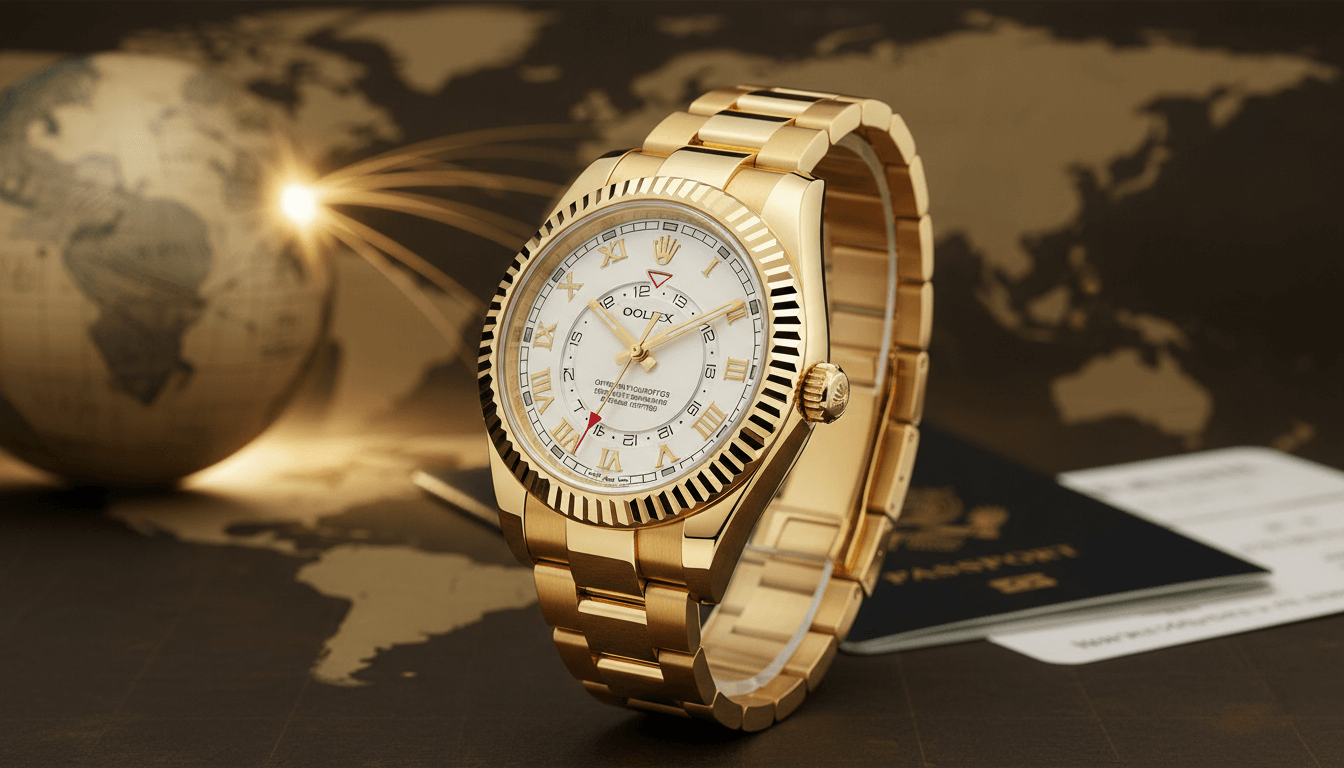
The Rolex Sky-Dweller represents a pinnacle achievement in luxury watchmaking, combining sophisticated dual time zone functionality with an innovative annual calendar system. Launched in 2012, this masterpiece features the groundbreaking Ring Command bezel that revolutionized watch interaction. Crafted exclusively in precious metals, the Sky-Dweller serves as the ultimate companion for international travelers and discerning collectors seeking both technical excellence and aesthetic refinement in a single timepiece.
Rolex Submariner: The Definitive Dive Watch Analysis
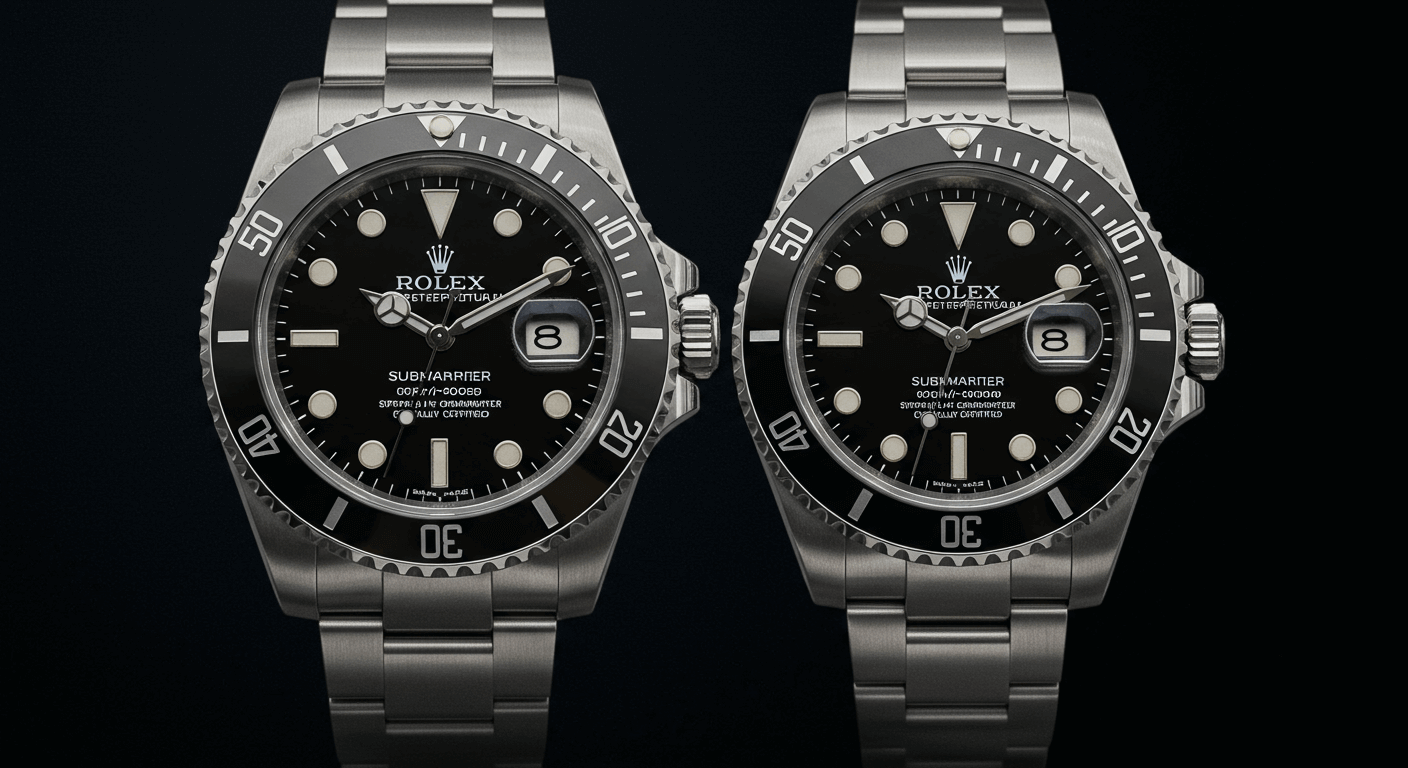
The Rolex Submariner stands as the undisputed benchmark in professional dive watches, combining robust Oystersteel construction with exceptional waterproof capabilities exceeding 300 meters. As part of Rolex's annual production of approximately 1.1 million watches, this iconic timepiece represents the pinnacle of sports and tool watch engineering with its unidirectional rotating bezel, luminescent Chromalight display, and self-winding perpetual movement. Its enduring popularity in the luxury watch market reflects both its technical excellence and timeless design aesthetic that transcends diving functionality to become a cultural symbol.