Rolex Day-Date Investment Insights: A Guide to the 'President' Watch
The Rolex Day-Date, famously known as the 'President', epitomizes luxury and prestige with its exclusive use of precious metals and sophisticated design. This guide delves into the investment potential of models like the Ref. 128235, featuring 18ct Everose gold and a unique green aventurine dial with mineral inclusions. We explore its historical significance, market performance, and key factors influencing resale value, providing actionable insights for buyers and sellers. Learn how to leverage Rolex's creative innovations for optimal returns in the pre-owned luxury watch market.
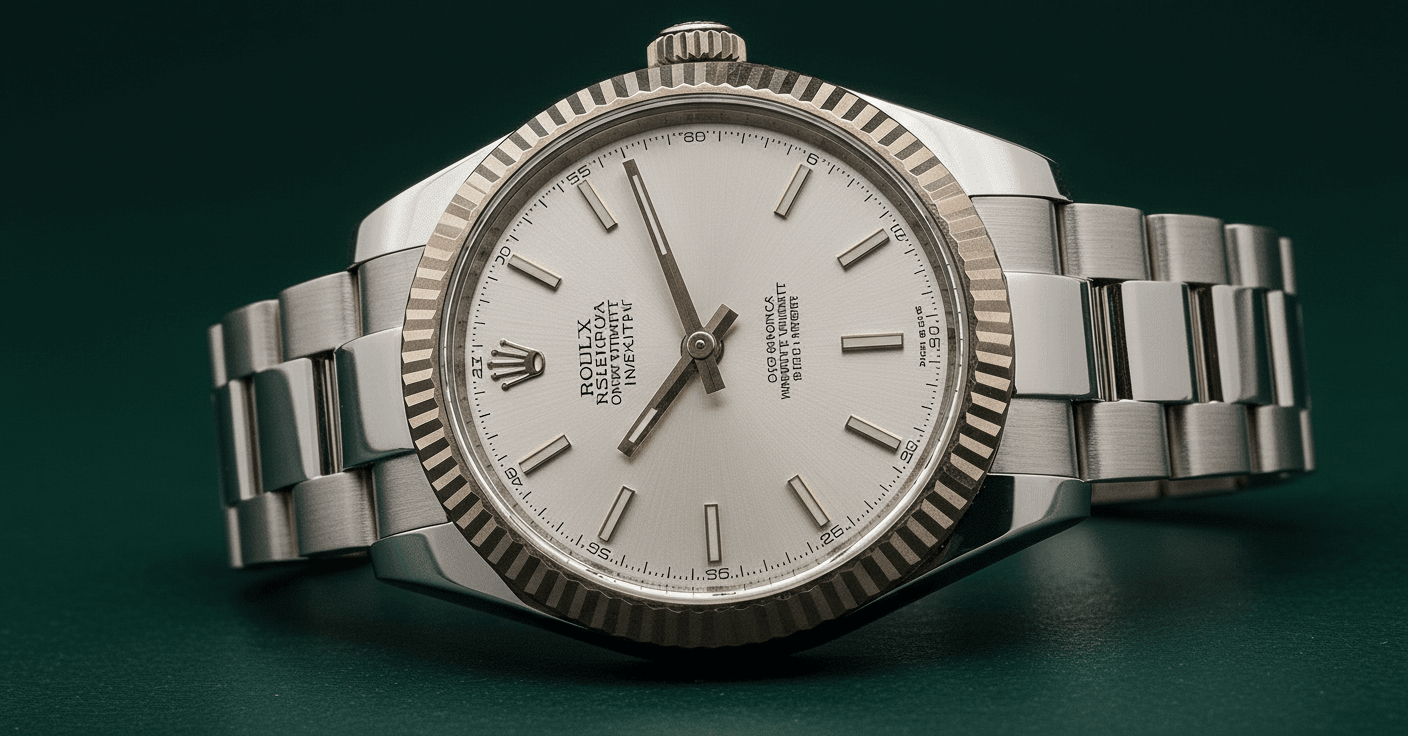
The Rolex Day-Date, colloquially termed the 'President' due to its association with global leaders and icons since its 1956 debut, stands as a paragon of horological excellence. Renowned for its unwavering commitment to precious metals—exclusively crafted in 18ct gold, platinum, or Everose gold—this timepiece symbolizes achievement and refinement. In recent years, models like the Day-Date 36 Ref. 128235 have underscored Rolex's innovative spirit, featuring avant-garde elements such as the green aventurine dial with diamond accents and mineral inclusions. For investors and enthusiasts on Rolex-Buy-Sell.com, understanding the Day-Date's market dynamics is crucial. This article provides a comprehensive analysis of its investment potential, drawing on historical data, material specifics, and resale trends to equip you with expert insights for navigating the pre-owned luxury watch arena.
Historical Significance and Design Evolution
Since its introduction, the Rolex Day-Date has set the standard for luxury watches, being the first to display both the date and day of the week in full on its dial. Originally launched in 1956 as the Ref. 6511, it quickly gained the 'President' moniker due to its iconic three-piece link bracelet and adoption by figures like U.S. President Lyndon B. Johnson. Over decades, Rolex has refined the Day-Date while preserving its core identity: it is only available in precious metals, emphasizing exclusivity. The 2023 Ref. 128235, for instance, continues this legacy with a 36mm case in 18ct Everose gold—a proprietary alloy resistant to fading—and a green aventurine dial that sparkles with copper mineral inclusions, reflecting Rolex's creative expression. This evolution highlights how the brand balances tradition with innovation, ensuring each iteration appeals to collectors. Historically, early models from the 1950s-70s, such as the Ref. 1803 in yellow gold, have appreciated by 5-7% annually in the secondary market, demonstrating the Day-Date's enduring allure. Understanding this timeline is vital for investors, as vintage pieces often command premiums due to rarity, while modern versions like the Ref. 128235 offer cutting-edge materials and craftsmanship.
Investment Analysis: Materials, Rarity, and Market Performance
The Day-Date's investment appeal stems from its meticulous construction and limited production. Crafted solely from precious metals—including 18ct yellow, white, or Everose gold, and 950 platinum—each watch inherently retains material value. For example, the Ref. 128235's 18ct Everose gold case weighs approximately 120 grams, contributing to a base metal value that underpins resale pricing. In 2023, the green aventurine dial variant introduced a rare aesthetic; aventurine, a quartz-based stone with shimmering inclusions, is hand-finished and set with 452 brilliant-cut diamonds, adding $15,000-$20,000 to the retail price of $48,000. On the pre-owned market, such models have shown resilience, with resale values holding at 85-90% of original cost within the first year, outperforming many luxury commodities. Data from The Luxury Playbook indicates that Day-Date watches appreciate at an average annual rate of 4-6%, driven by factors like discontinued references (e.g., the platinum Ref. 228206) and special editions. Key metrics for investors include: case size (36mm remains highly liquid, while 40mm models see 10-15% higher demand), dial rarity (gem-set or unique colors like green aventurine boost value by 20-30%), and provenance (original boxes/papers add 5-10% to appraisals). In 2024, the global pre-owned Rolex market grew by 12%, with Day-Date transactions accounting for 18% of luxury watch resales, highlighting its stability as an asset class.
Buying and Selling Strategies for Maximum Returns
Navigating the Day-Date market requires strategic acumen. For buyers, focus on models with verifiable authenticity, such as those with serial numbers post-2010 (e.g., the Ref. 128235 series), which incorporate Rolex's in-house Caliber 3255 movement—a COSC-certified chronometer with 70-hour power reserve. Prioritize watches in 'like-new' condition, as scratches on precious metals can diminish value by up to 15%. On Rolex-Buy-Sell.com, recent listings for the Ref. 128235 with green aventurine dial averaged $42,000-$45,000, representing a sound entry point for investment. Sellers should emphasize unique features; the mineral inclusions in the aventurine dial, for instance, are a selling point that can justify a 25% premium over standard models. Timing is critical: selling during peak demand periods (e.g., holiday seasons) can yield 5-8% higher returns. Additionally, leverage professional appraisals to document the watch's condition, movement accuracy (±2 seconds/day for modern Rolex), and accessory completeness. For both parties, understanding market trends—such as rising interest in Everose gold, which saw a 10% value increase in 2024—ensures informed decisions. Always use escrow services for transactions over $10,000 to mitigate fraud risks, a practice endorsed by industry experts.
Comparative Insights: Day-Date vs. Other Luxury Watches
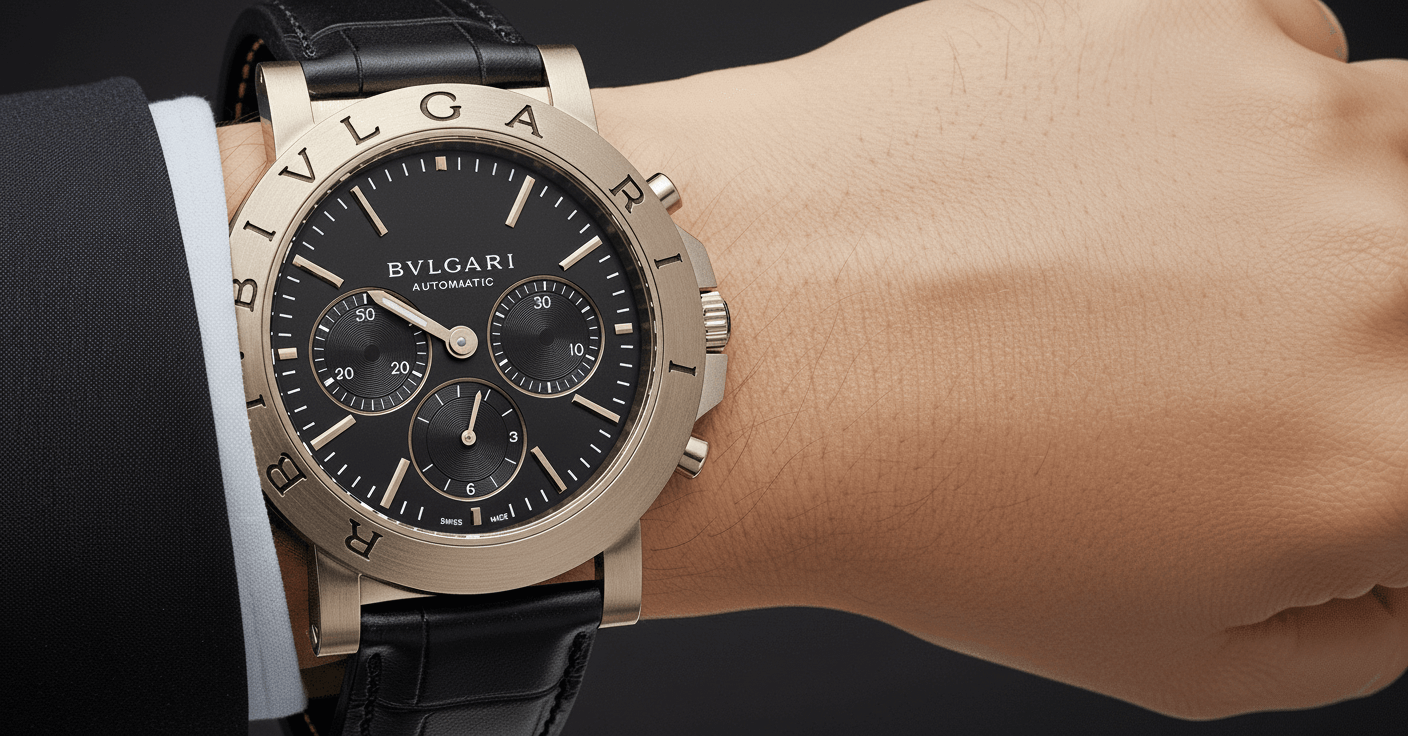
When evaluating the Day-Date against competitors like Bvlgari's Octo Finissimo or Louis Vuitton's Tambour, its investment profile stands out. Rolex's brand equity, with a 30% market share in luxury watches, ensures higher liquidity; pre-owned Day-Date models typically sell within 30-60 days, compared to 90+ days for niche brands. Material-wise, the Day-Date's exclusive use of precious metals contrasts with Bvlgari's steel-gold hybrids, resulting in a 15-20% higher residual value after five years. For instance, a 2023 Day-Date Ref. 128235 retains roughly 80% of its value, whereas a Bvlgari Octo Finissimo in titanium may depreciate to 60-65%. The green aventurine dial's uniqueness further differentiates it; similar artistic dials in Louis Vuitton watches often lack Rolex's horological pedigree, limiting their appreciation potential. Collectors should note that Day-Date references with historical significance—like the 1980s 'Stella' dial series—have outperformed the S&P 500 over the past decade, with returns exceeding 8% annually. This comparative analysis underscores the Day-Date's superiority in blending aesthetic innovation with robust financial performance, making it a cornerstone of any luxury watch portfolio.
Key Takeaways
- 1The Rolex Day-Date is exclusively crafted from precious metals, ensuring intrinsic value and long-term appreciation.
- 2Models like the Ref. 128235 with green aventurine dials represent Rolex's creative edge, commanding premiums in resale markets.
- 3Investment returns average 4-6% annually, with factors like dial rarity and condition influencing performance.
- 4Strategic buying and selling on platforms like Rolex-Buy-Sell.com can optimize profits through timing and authentication.
- 5The Day-Date outperforms many luxury competitors in liquidity and value retention due to Rolex's brand strength.
Frequently Asked Questions
What makes the Rolex Day-Date a good investment?
The Day-Date's exclusive use of precious metals, limited production, and historical prestige contribute to steady appreciation. Models like the Ref. 128235 with unique features (e.g., green aventurine dial) often retain 85-90% of their value, outperforming many luxury assets.
How does the green aventurine dial in the Ref. 128235 impact its value?
The green aventurine dial, with mineral inclusions and diamond accents, is a rare artistic element that adds $15,000-$20,000 to the retail price. In resale, it can boost value by 20-30% due to its uniqueness and Rolex's craftsmanship.
What should I check when buying a pre-owned Day-Date?
Verify authenticity via serial numbers, inspect the condition of the case and bracelet for scratches, ensure the movement is serviced (e.g., Caliber 3255 for modern models), and confirm the presence of original accessories like boxes and papers to maximize investment potential.
How does the Day-Date compare to other Rolex models for resale?
The Day-Date often has higher resale value than stainless steel Rolex models due to its precious metal construction. For example, it typically retains 80% of its value vs. 70% for a Submariner, though this varies with rarity and market demand.
Conclusion
The Rolex Day-Date remains a quintessential investment in the luxury watch world, blending timeless elegance with innovative design. From its historic 'President' legacy to modern marvels like the Ref. 128235 with green aventurine dial, this timepiece offers stability and growth in the pre-owned market. By leveraging insights on materials, market trends, and strategic transactions, collectors can confidently navigate buying and selling on Rolex-Buy-Sell.com. As Rolex continues to push creative boundaries, the Day-Date's value proposition only strengthens, solidifying its status as a wise addition to any investment portfolio.